A Closer Inspection of LGBT Characters in Film
We have a long way to go with LGBT representation in film, especially when it comes to LGBT characters of color and trans characters.
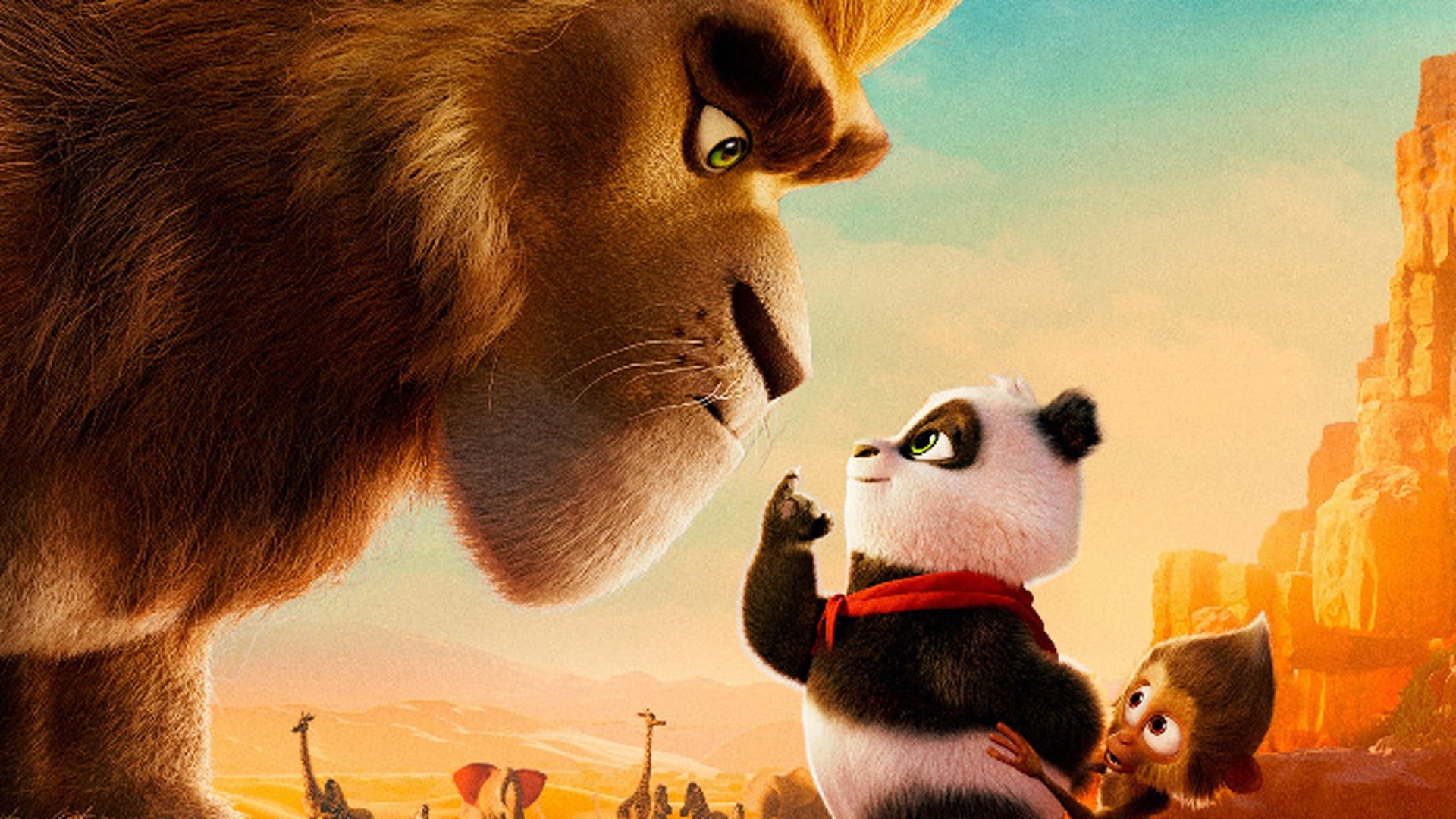
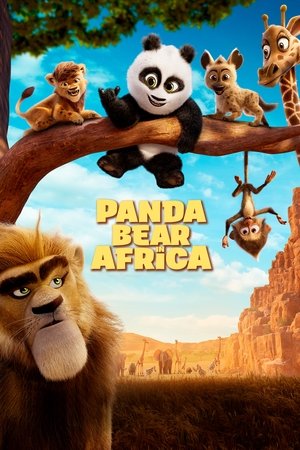


A young adventurous panda travels from China to Africa to rescue his best friend, Jielong the Dragon, who has been kidnapped. On his journey, he discovers a strange amazing new world of mountains, deserts and jungles.

Karsten Kiilerich, Richard Claus
Director

Yootha Wong-Loi-Sing
Pang (voice)
Maurits Delchot
Jojo (voice)

Georgina Verbaan
Jielong (voice)

Namisa Mdalose
Ade (voice)
Silas Lekgoathi
Malume / Lwazi / Mrs. Dungbeetle (voice)

Candice Modiselle
Niala / Mrs. Dungbeetle / Ade's Mum / Mrs. Hippo (voice)
Sthandile Nkosi
Kabora / Imani (voice)
Thulani Nzonzo
Mpho / Ade's Dad / Mr. Hippo / Male Lion (voice)

Thom Hoffman
Xing Xing / Babu / Panda Greengrocer 1 (voice)
Charles Ouda
Abu / Mr. Python / Jackal 3 / Meerkat Chief (voice)
Angel Orugbo
Camel / Jackal 2 (voice)
We have a long way to go with LGBT representation in film, especially when it comes to LGBT characters of color and trans characters.
Horse racing is a very difficult sport and challenge, especially for a young woman like Michelle Payne.
Throughout Brendan Fraser’s career, he has played a plethora of unique, layered characters who explore the importance of not being afraid to display your emotions, something that is often seen to not be a masculine trait. This idea of regulating emotion and what traits men are able to possess creates a toxic atmosphere for men who are often told they should not cry or represent their emotions in any physical way. These characters represent that men can be joyful, emotionally conscious, and sensitive, while also representing their masculine identity instead of painting those qualities as fighting against their masculinity.
Even with its straightforward premise, “Richard Jewell” is ramped up by exceptional drama. In all honesty, the performances are out of this world. As Jewell, Paul Walter Hauser becomes a walking representation of gullibility. His bumbling antics create the perfect hero, and very quickly, we feel the societal heat that surrounds our protagonists.
This holiday movie serves as the prequel to the TV series The Really Loud House.