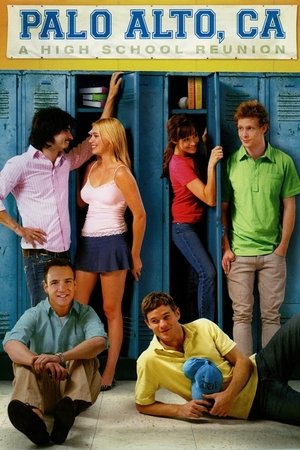
Palo Alto, CA (2007)
On their last night of Thanksgiving break, four old friends, now all college freshmen, realize their small town has more meaning than they ever imagined.

- / 5
PopScore
Representation
Pictures and Videos

Movie Information
On their last night of Thanksgiving break, four old friends, now all college freshmen, realize their small town has more meaning than they ever imagined.
Rating:R
Genre:Comedy, Drama
Written By:Tony Vallone
In Theaters:10/12/2007
Box Office:
Runtime:100 minutes
Studio:Anchange Productions, PhilQuo Ventures










Articles You May Like
‘Outside the Wire’ Review: Netflix’s Latest Mediocre Sci-Fi Flick
Step deep into the 21st century and discover the complexities of artificial combat soldiers.
James Cameron’s Aliens: A Classic Tale, Brimming With Female Empowerment and Social Resonance
James Cameron’s “Aliens” (1986) is a pinnacle of science fiction storytelling. Within this classic monster movie lies a powerful female character, Ellen Ripley (brilliantly portrayed by Sigourney Weaver).
We're 'All Together Now' to Give a Hand
Can a homeless yet optimistic teenage girl learn to accept a helping hand?
Troll Hunter: Horror with a Playful Look at Religion
It surely isn't for everybody and could certainly offend some folks, but Troll Hunter takes a different approach to representing religion in a film.
Racism in A Second Chance: Rivals!
The sequel to the first film, A Second Chance: Rivals! talks about Maddy combating cyberbullying and racism.