




Incluvie – Better diversity in movies.
Identity in film with Incluvie stamps, scores, reviews.

Incluvie – Better diversity in movies.
Explore identity in film with Incluvie stamps, scores, reviews, and insights.

trailer banner
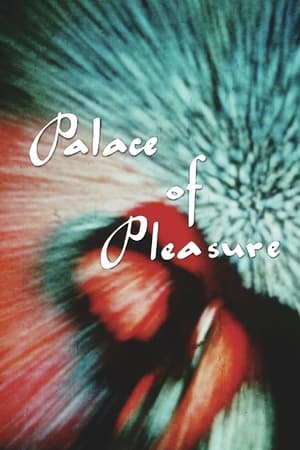
Palace of Pleasure poster

Palace of Pleasure (1967)

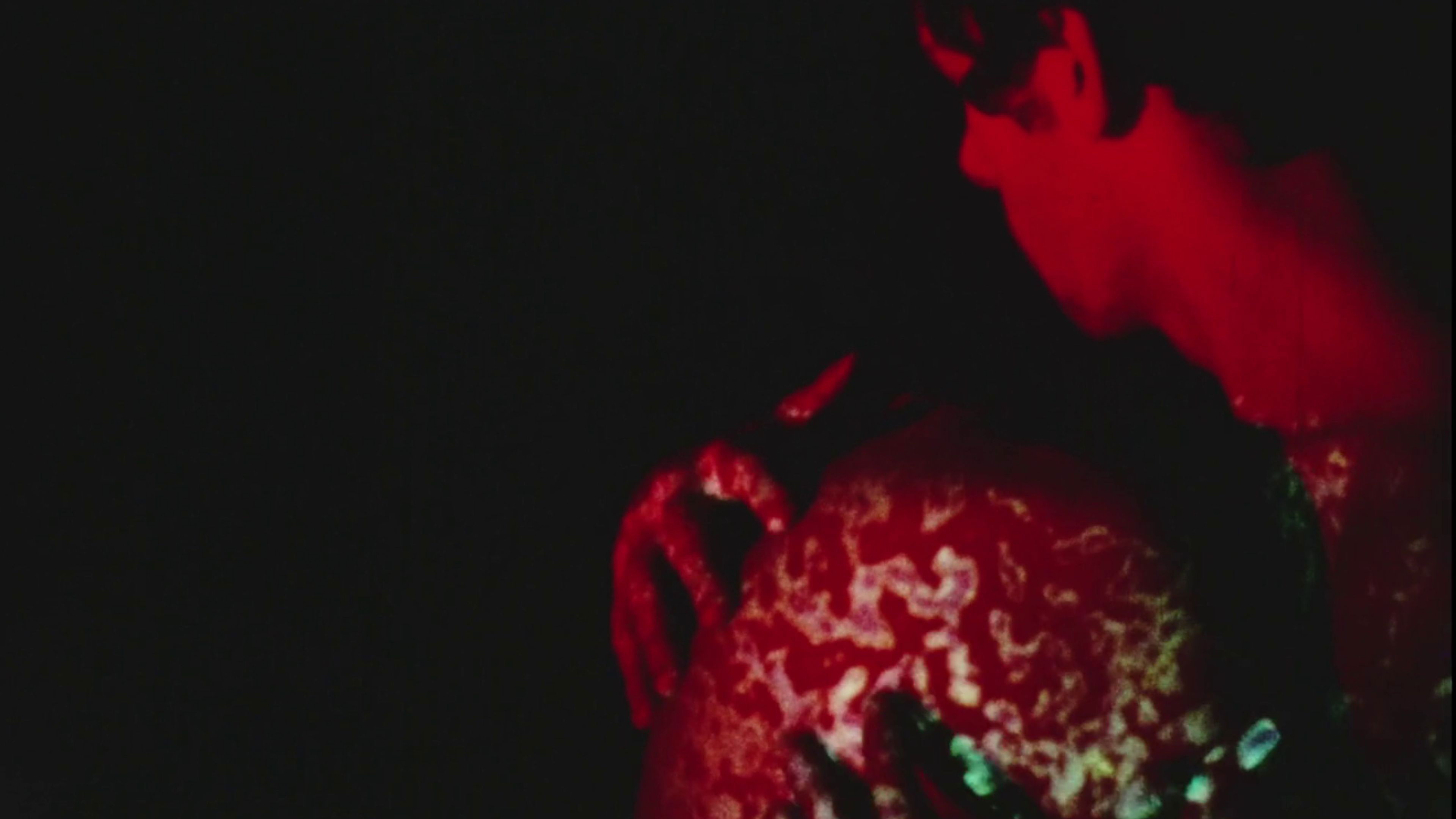
John Hofsess’s The Palace of Pleasure emerged from the psychedelic haze of 1960s postmodern art. It was a blistering work that combined arresting abstract imagery with the wounded expressions of a young couple, edited into a collage of mass culture imagery and album and book jackets, all of it framed as a therapeutic treatment. Addressed to a generation coming up in an era of protest and social change, where many found themselves increasingly burdened with hopelessness, paranoia, and neurosis, The Palace of Pleasure was offered as a cleansing ritual, a post-Freudian expelling of dammed-up energies that anticipated The Primal Scream. In this video, Stephen Broomer discusses Hofsess’s therapeutic ambitions, how the film was composed of Hofsess’s earlier films, and the sensual spell of the work, the way in which it commands us to enter into a universal fellowship of touch that circulates, from us to us, through us, to strain the boundaries between the self and the other.
- / 5
PopScore
Representation

Pictures and Videos


Incluvie Gala

Movie Information


John Hofsess’s The Palace of Pleasure emerged from the psychedelic haze of 1960s postmodern art. It was a blistering work that combined arresting abstract imagery with the wounded expressions of a young couple, edited into a collage of mass culture imagery and album and book jackets, all of it framed as a therapeutic treatment. Addressed to a generation coming up in an era of protest and social change, where many found themselves increasingly burdened with hopelessness, paranoia, and neurosis, The Palace of Pleasure was offered as a cleansing ritual, a post-Freudian expelling of dammed-up energies that anticipated The Primal Scream. In this video, Stephen Broomer discusses Hofsess’s therapeutic ambitions, how the film was composed of Hofsess’s earlier films, and the sensual spell of the work, the way in which it commands us to enter into a universal fellowship of touch that circulates, from us to us, through us, to strain the boundaries between the self and the other.

Rating:
Genre:
Directed By:John Hofsess
Written By:
In Theaters:12/28/1967
Box Office:

Runtime:38 minutes
Studio:

Articles You May Like


Caught Stealing : A Blood-Soaked, Laugh-Out-Loud Noir

Darren Aronofsky’s Caught Stealing is a gritty, darkly funny thrill ride through 1998 New York, with Austin Butler delivering a raw, magnetic turn as Hank Thompson—a washed-up ex-ballplayer turned bartender whose life implodes after cat-sitting for his punk neighbor drags him into a violent underworld of gangsters, crooked cops, and chaos. Brutal yet unexpectedly hilarious, the film blends noir grit with midnight-movie absurdity, proving Aronofsky can reinvent himself while Butler cements his status as a true movie star.

Nilufer Ozmekik