





Honey Girls Jam Their Hearts Out
A trio of girls form a band and enter a singing competition together after learning they work best as a team.
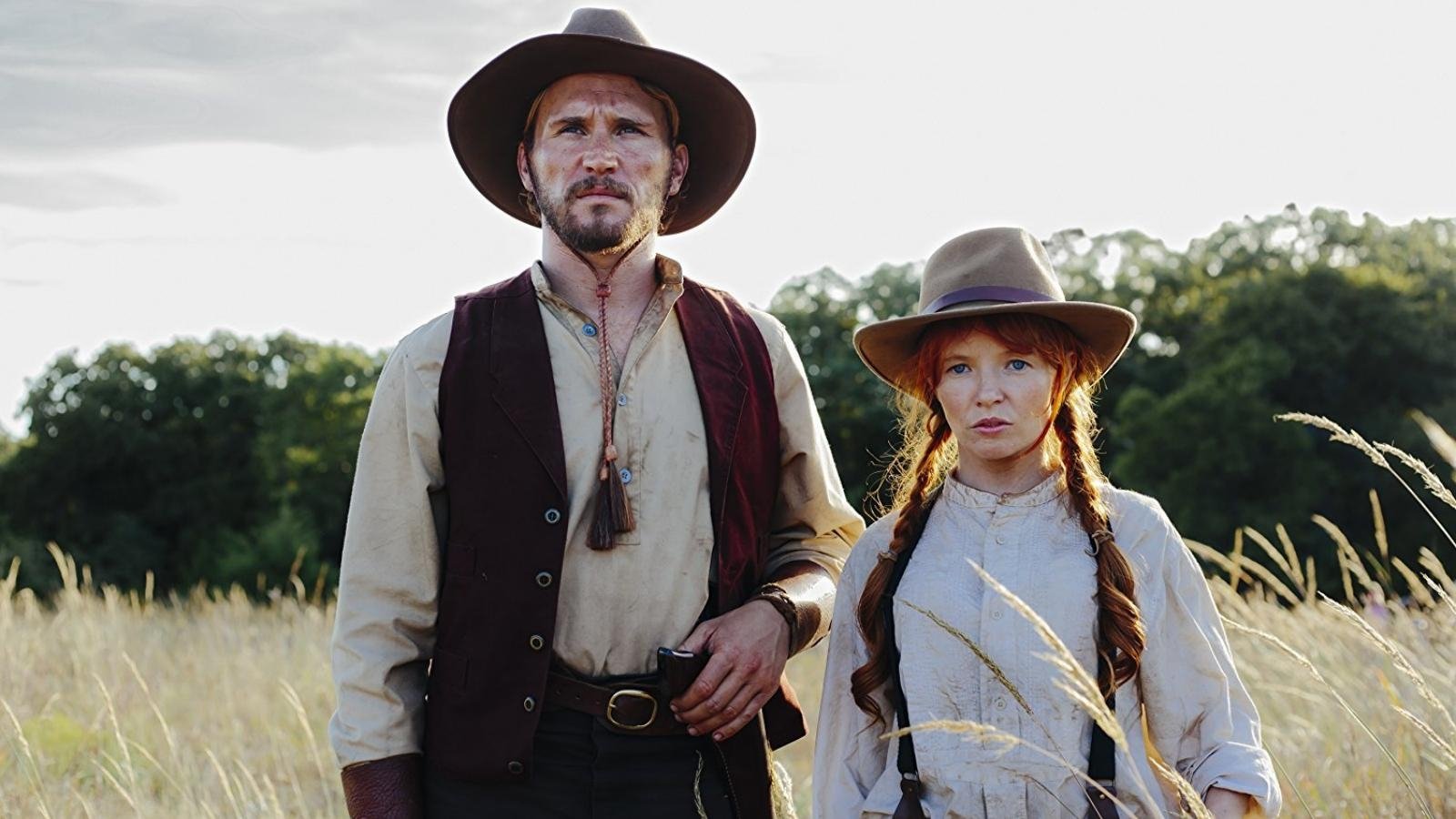
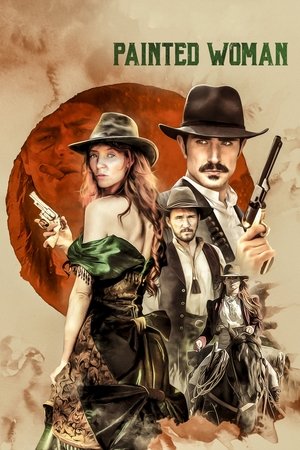


Adapted from prolific western novelist Dusty Richard’s “Mustanger and the Lady,” 'Painted Woman' is the story of Julie Richards Julie is a woman of her time, passed from hand to hand in a web of abuse and prostitution, landing her at the feet of Kyle Allison. Allison, a wealthy powerbroker of the old west town of Goldfield, took young Julie into his home and made her his trophy. This life came with the gift of being taken care of and the cost of more abuse. As Julie’s time with Allison is coming to a dangerous close, Julie is given two chances of escape, with two very different men… The story of PAINTED WOMAN is two distinct chapters in Julie's life, with each chapter mirroring the other. Chapter one follows Julie meeting Frank. It is told mostly at night in the town of Goldfield. Chapter two follows the Mustanger. It takes place in the wilderness and is told mostly during the day.
A trio of girls form a band and enter a singing competition together after learning they work best as a team.
Netflix’s new comedy drama, Don’t Say Good Luck, is a heartwarming tearjerker as well as a love letter to the transformative power of being a theater kid. Directed by Julia Hart, Don’t Say Good Luck follows Sophie (Sunny Sandler), a theater kid who finally gets the lead role in her school’s production of Waitress - just as she finds out her mom Elizabeth (Melanie Lynskey) is dying of cancer. While the singing is by no means spectacular and Sandler’s acting is stiff, the film is grounded in the moving performance of Lynskey as a mother who wants nothing more than for her daughter to achieve her dreams, even if she can’t be there to see them.
The Gates, John Burr’s new thriller film, is a disturbingly realistic portrayal of three Black twenty-somethings - Derek (Mason Gooding), Kevin (Algee Smith), and Tyon (Keith Powers), as they accidentally take a wrong turn into a gated community that’s more like a modern-day sundown town. The three friends witness a variety of crimes in their new surroundings, including an attempted homicide and an attempted rape. As they attempt to alert the authorities and do the right thing, they are thwarted at every turn by the worst horror stories of American conservatism - racist white suburbanites, reckless gun violence, corrupt police, religious mania, and a megalomaniacal pastor.
From its visually stunning opening credits, which show women dancing through a forest to musical rhythms that sound almost primal, to its quiet, heartbreaking final frame, Mona Fastvold’s historical rendering of the Shaker religious movement is an experience that will stay with me for a long time.
While Peter’s heroics might have been a bit unrealistic at times due to his lack of experience, I will always support the civilian taking down the establishment.
The sparks of a dangerous conspiracy ignite a mystery in this sequel based on the mysteries of Sherlock Holmes.