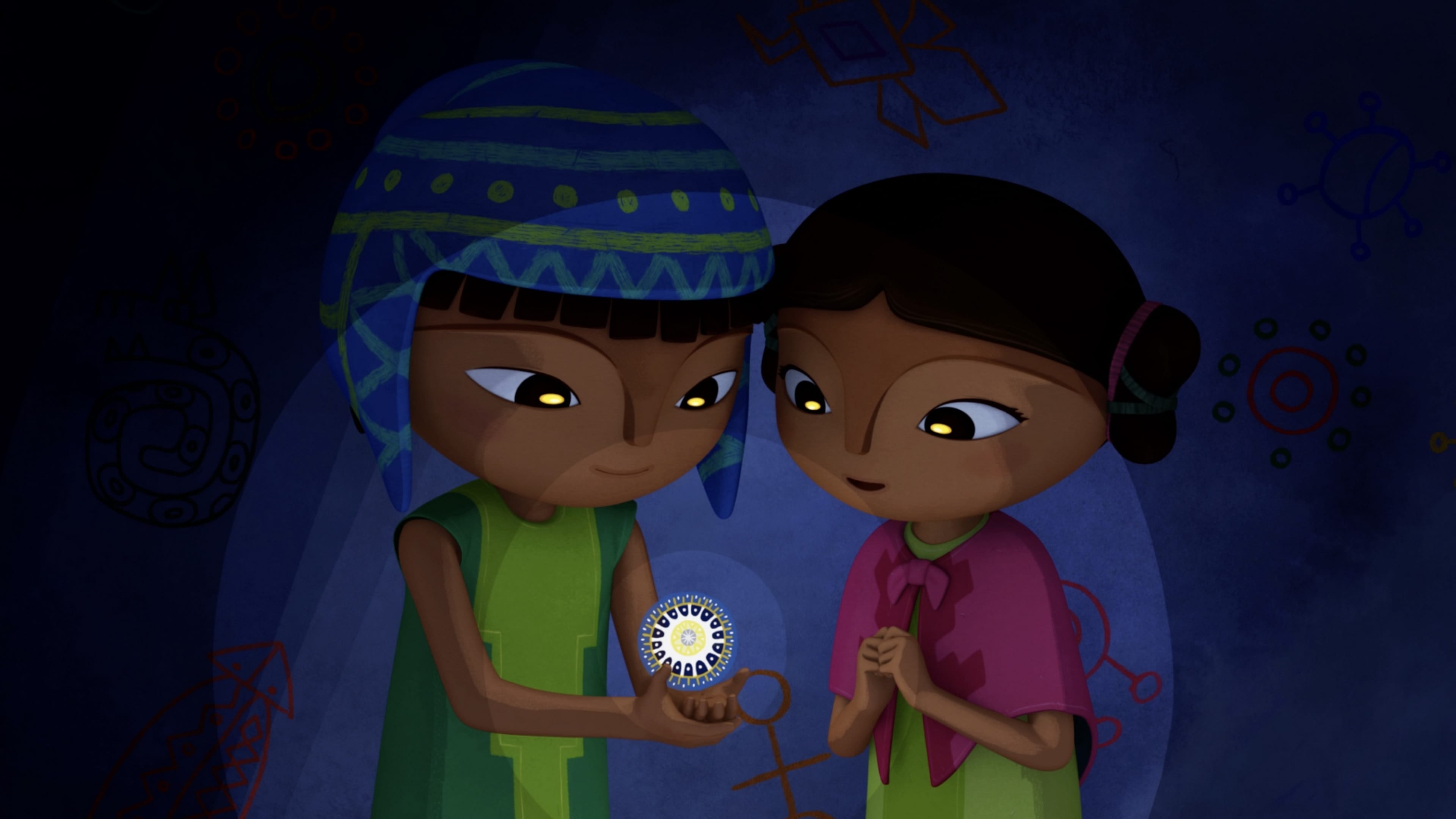

Pachamama (2018)
A young boy living in a remote village in the Andes Mountains dreams of becoming shaman.

- / 5
PopScore
Representation
Pictures and Videos

Movie Information
A young boy living in a remote village in the Andes Mountains dreams of becoming shaman.
Rating:
Genre:Adventure, Animation, Family, Fantasy
Written By:Patricia Valeix, Nathalie Hertzberg, Juan Antín, Olivier de Bannes
In Theaters:10/20/2018
Box Office:
Runtime:72 minutes
Studio:Folivari, O2B Films, Doghouse Films, Kaïbou Production







Articles You May Like
Joyfully Chaotic, 'Why Don't You Play in Hell?' is a Must-See
If you enjoy Japanese cinema, absurdly violent action films, gangster flicks, or joyfully strange cinema, 'Why Don’t You Play in Hell?' is a must-see.
'The Half of it' Handles its Presented Social Issues Thoughtfully
The social issues The Half of it takes on are handled well, between the antagonization brought on to Ellie for her race and the conflict that arises from her being gay. Both aspects of her character are built up over the course of the film and don’t seem abrupt or rushed. The film shows racism towards Ellie and her and father in varying levels, from having her schoolmates specifically address her as "Chinese girl” to the fore mentioned way her Dad is treated due to language barriers. The same can be said about Ellie being a lesbian. While she never truly “comes out” in the narrative, that does not undermine her journey of self-discovery from being meaningful. These ideas aren’t thrust upon the viewer in a preachy manor, the scenarios that occur feel believable given the rural setting. The film presents watchers with problems whom those like Ellie may face, and leaves us to sit with them and reflect.
Just Mercy: An Admirable Picture
In all actuality, “Just Mercy” should be labeled a “wall punching narrative.” Constantly, the flick throws high forms of adversity our way, amping up our most inner levels of discomfort. Filmmaker Destin Daniel Cretton wonderfully paces the film in such a way that replicates the slow-burn nature of justice.
People as Human Resources in Human Resource (2026)
Stylish, slow, and somewhat standoffish, Human Resource examines corporate life from the perspective of a female HR employee as she interviews job candidates while also deciding whether to keep her newly discovered pregnancy.