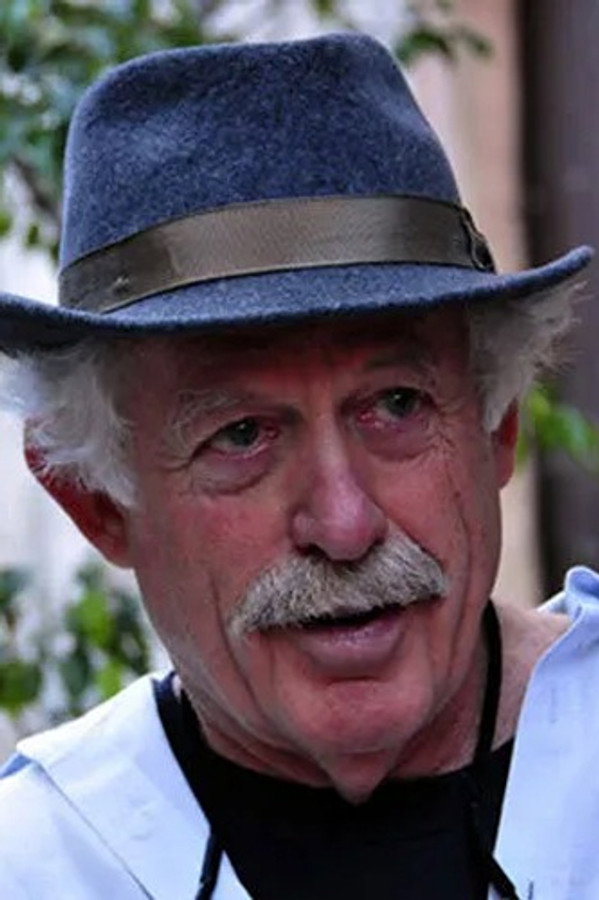



Māhū—Reclaiming what’s rightfully theirs
Why did Māhū, a term once respected in Hawaiian culture, become so controversial?



A dramatic feature from Cine Manifest, Over-Under, Sideways-Down explores the politics of everyday life in America. The film centers on a working-class couple, Roy and Jan Stennis (played by Robert Viharo and Sharon Goldman), who live, with their two children, in a cramped tract home. An assembly line worker in a steel plant, Roy entertains the escapist fantasy of moving from the local semi-pro baseball team for which he plays third base, to the big leagues. "It's just a matter of being in the right place at the right time," he figures. However, when Roy simultaneously loses his job (by being at the right place at the right time - coming to the defense of a black co-worker and thus being branded a trouble-maker) and his one chance to impress an interested baseball scout, his life begins to unravel. The strains on his marriage increase, intensified by Jan's decision to take a job, and Roy begins to isolate himself both from his family and his fellow workers.
Why did Māhū, a term once respected in Hawaiian culture, become so controversial?
'The Mad Woman and the Feminist': This Spanish entry for the MiamisFF directed by Sandra Gallego handles a difficult conversation in a smart, memorable way.
After We Collided is a sequel to last year’s After, which itself was based on Anna Todd’s 2014 novel of the same name, and which was originally published as a Harry Styles-centric fan-fiction on WattPad (a similar path as E.L. James’ Fifty Shades of Grey series).
Although Christmas is a time of year for love and cheer for all, holiday cinema has not always represented diverse communities. Being a holiday with Christian origins, much of its media consists of straight white families or straight white romances. Luckily, modern years have been bringing with them plenty of POC and LGBTQ+ representation that the holidays so desperately need.
Him is visually stunning—all concrete cathedrals and bone-rattling impact shots that look like a nightmare highlight reel. Marlon Wayans is magnetic as this legendary quarterback who's basically selling salvation with a smile that never quite reaches his eyes. But the story keeps running in circles: more tests, more cryptic pep talks, more ritualistic drills. The sports-as-religion metaphor beats you over the head when subtlety would've been more effective. The middle drags, and that finale chooses spectacle over substance. It's undeniably stylish, but left me cold. Also worth noting: despite the Monkeypaw connection, this isn't actually a Jordan Peele film—he didn't write or direct.
It’s 2021 and what few LGBTQ+ films that are produced by major film studios continue to star cisgender heterosexual actors, rather than actual LGBTQ+ people.