The Heroes of "Hustlers"
"Hustlers" returns power to groups that are traditionally deprived of it: women, the working class, and sex workers.
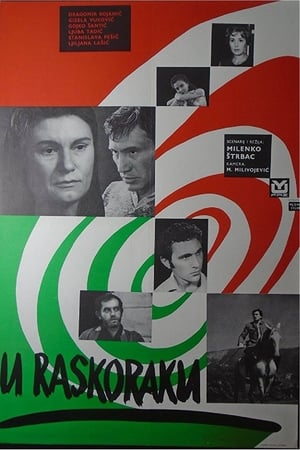


A disabled man takes on the system when his pension is tied up in a morass of red tape. His story is revealed on a television program, and the star of the show is admonished for trying to incite the public against the system. The media, the man and the television manager gather to try to talk out the misunderstandings they all experience with the system of slow-moving social injustices. The message of the film also states that the days of media scrutiny and public-opinion feedback are here to stay.
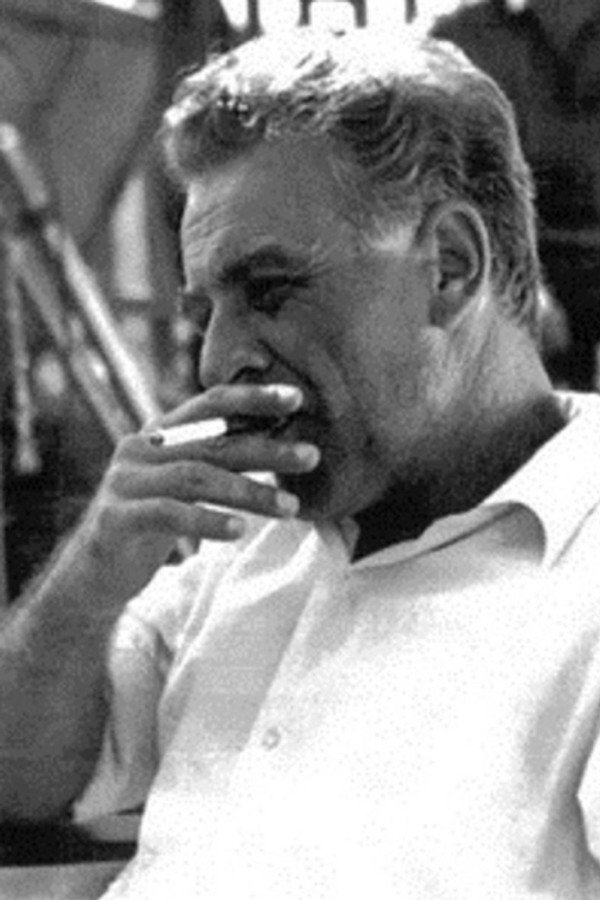
Milenko Štrbac
Director


Dragomir 'Gidra' Bojanić
Jablan Jezdić
Gizela Vuković
Dana Jezdić

Dušan Janićijević
Predsednik
Gojko Šantić
Bane Đorđević, novinar
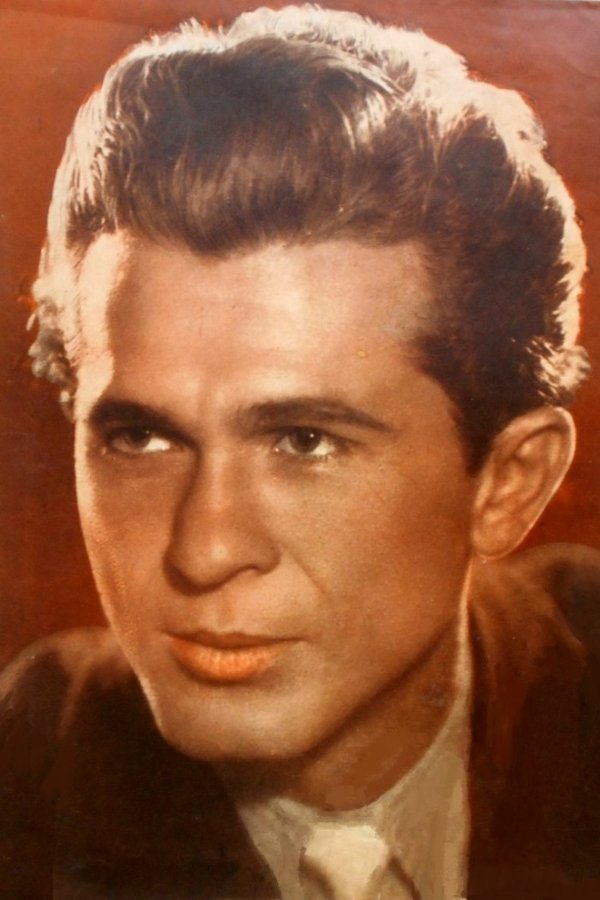
Dragomir Felba
Marko
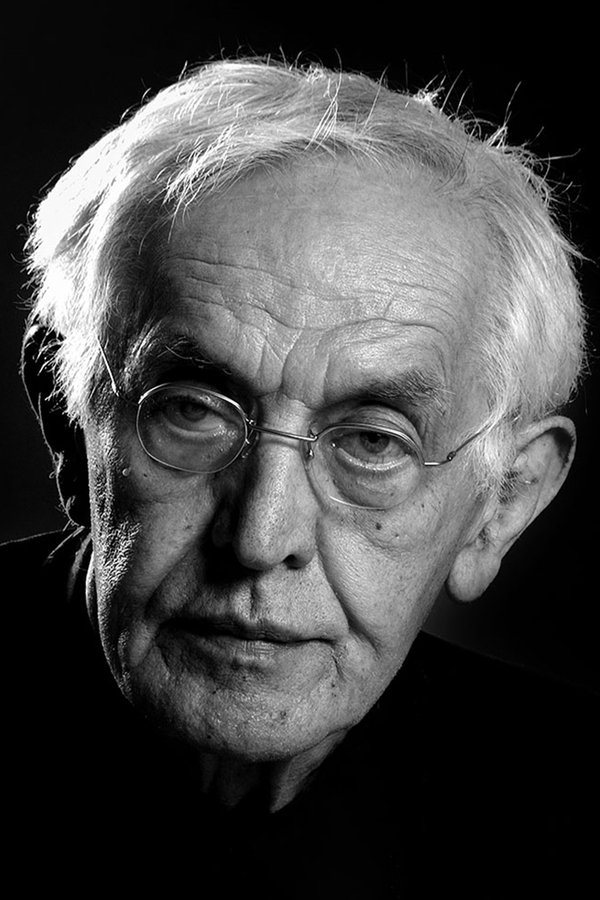
Ljuba Tadić
Dića
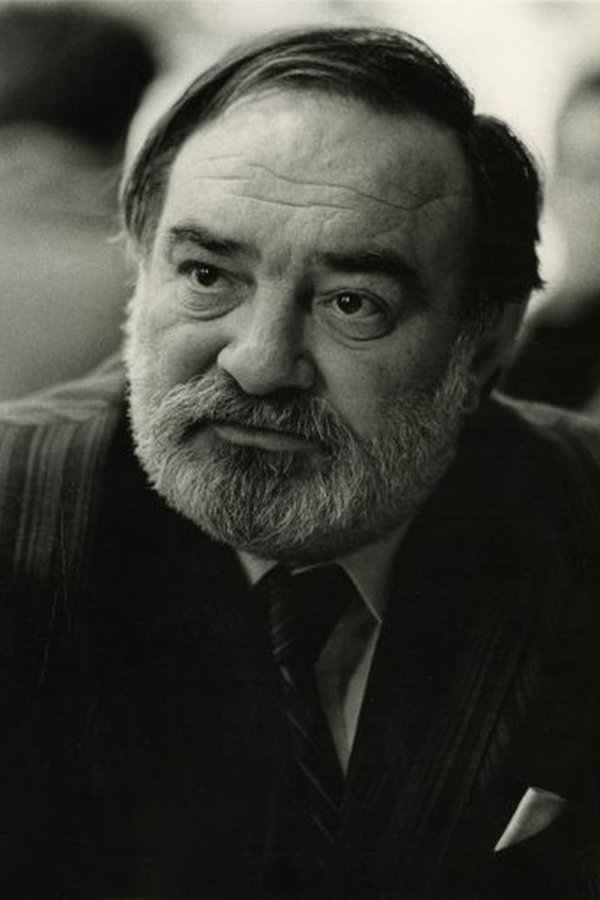
Danilo 'Bata' Stojković
Poštar
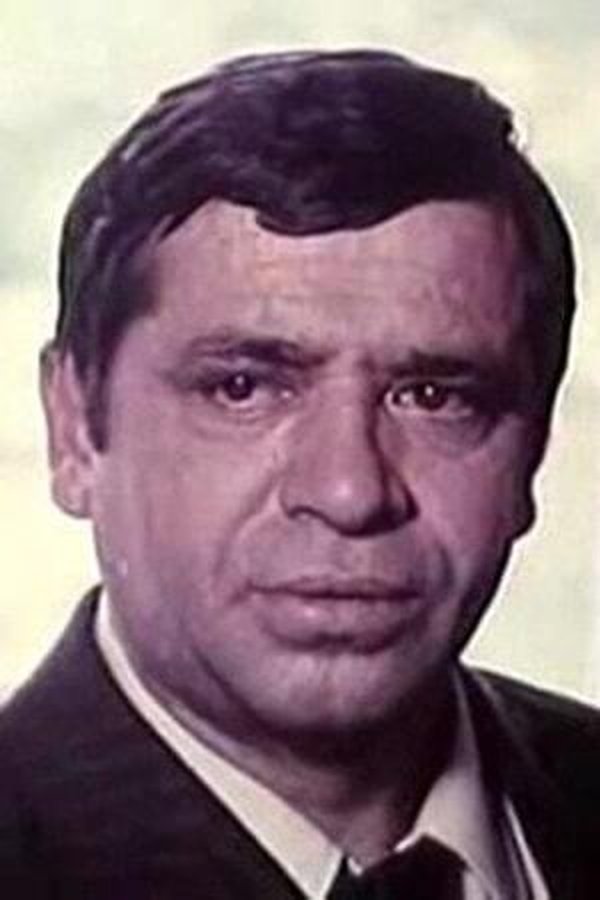
Jovan Janićijević 'Burduš'
Uča
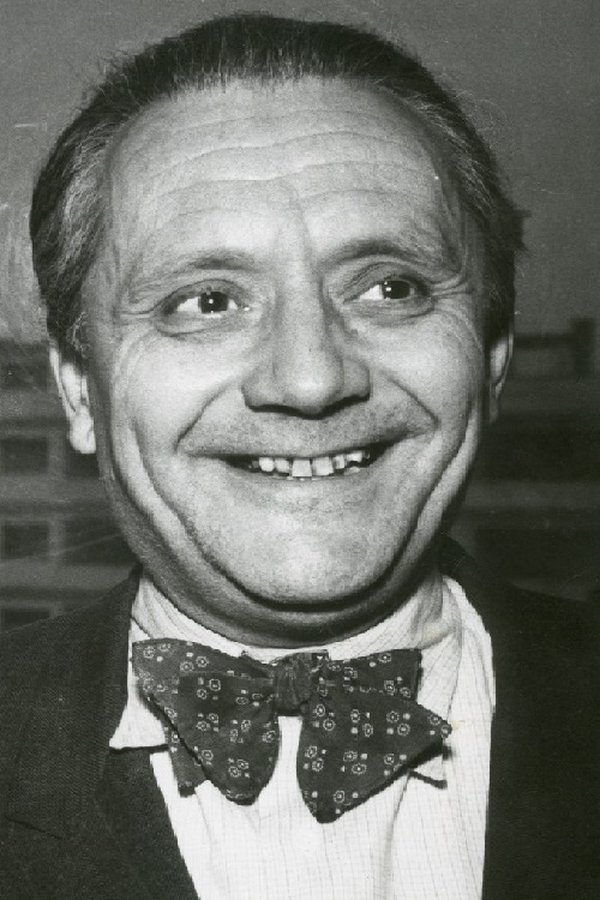
Stanoje Dušanović
Vidoje

Dragan Zarić
Mile
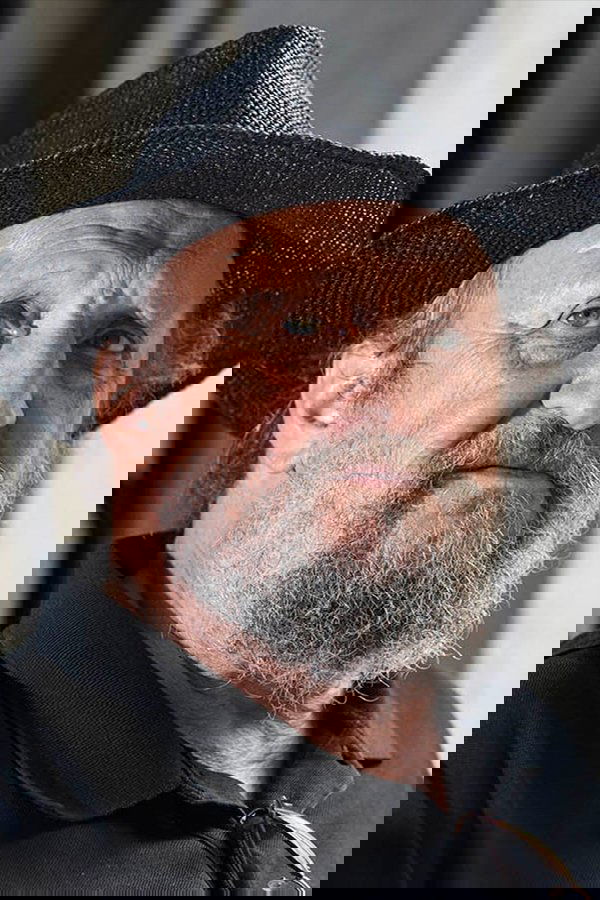
Petar Božović
Veliša Jezdić, sin Jablanov
"Hustlers" returns power to groups that are traditionally deprived of it: women, the working class, and sex workers.
We sat down with Writer/Director Albert Acosta to discuss his debut short film, (ha-ha), Acosta's foray into narrative cinema, and how his personal experiences have shaped his filmmaking philosophy.
Korean pop culture has mastered emotions as both a scientific field and an artistic revolution. Think of how K-Pop and K-Dramas have taken over the world. How? Simply put — they are addictive. How are they addictive?
The film illustrates the life of a single who struggles to provide an ideal childhood for her two daughters.
A pop star at Radio City Music Hall gets the opportunity to change herself to save her music career.
"Up" features one of Pixar's few Asian-American heroes and explores the institutionalized hardships elderly people face. Also, Dug is a good boy.