

Poverty and the Cycle of Violent Youth in 'City of God'
'City of God' depicts the cylindrical cycle of violence that is forced upon the underprivileged.
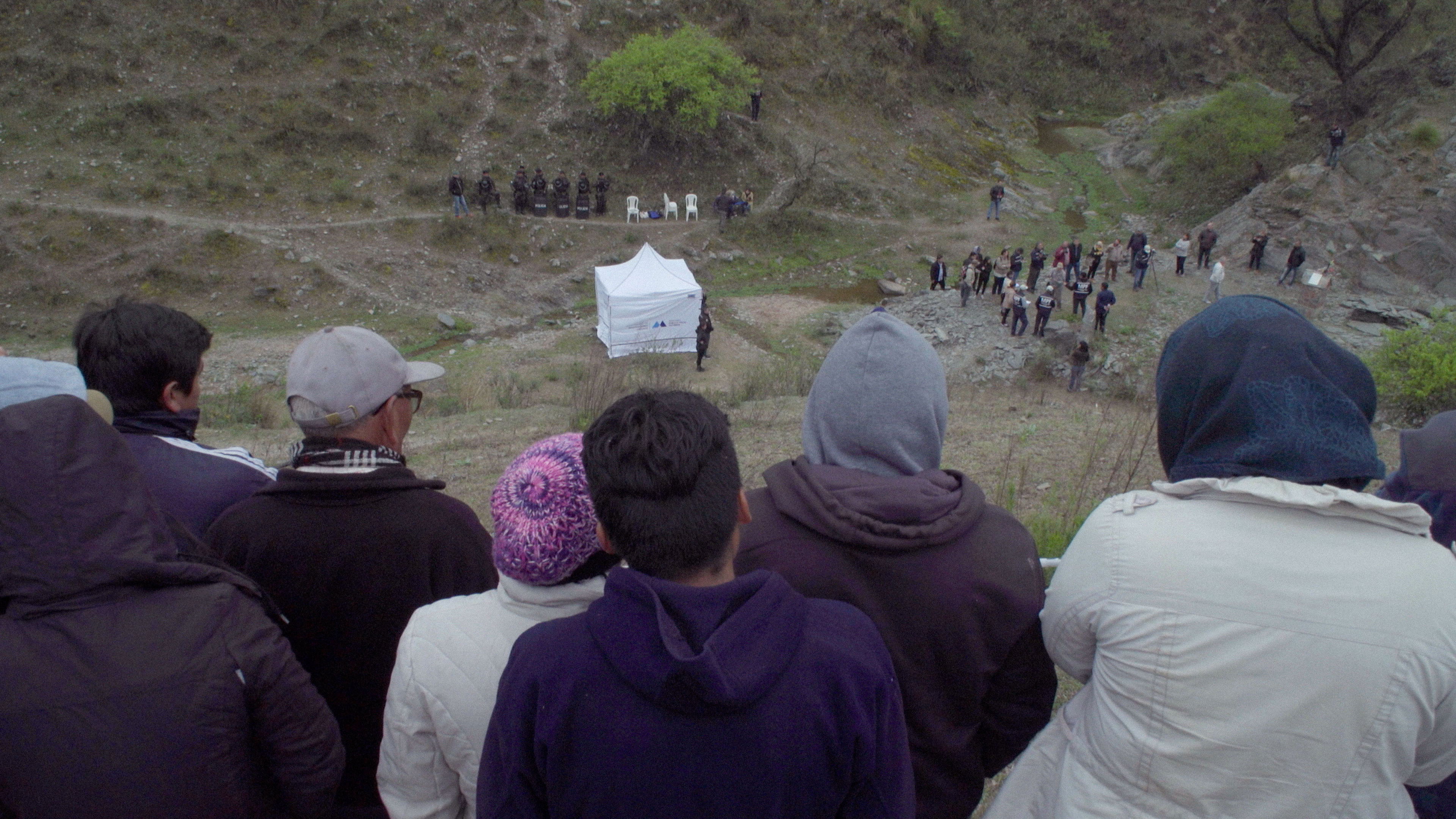


In 2009, a man and two accomplices try to evict members of the Indigenous community of Chuschagasta in northern Argentina. Claiming ownership of the land and armed with guns, they kill the community’s leader, Javier Chocobar. The murder is caught on video. It takes nine years of protests before court proceedings are finally opened in 2018. During all this time, the killers remain free. The film combines the voices and photographs of the community with courtroom footage to explore the long history of colonialism and land dispossession that led to this crime.
'City of God' depicts the cylindrical cycle of violence that is forced upon the underprivileged.
The newest Pedro Almodóvar movie, Pain and Glory, focuses on an aging and debilitated filmmaker, Salvador Mallo (played by Antonio Banderas) reflecting on his life in his old age.
Tran Quoc Bao succeeds in telling us a story about martial arts, human decay, and friendship. The originality shown by his filmmaking is admirable and brings fresh air to the classic Chinese martial arts genre.
Although the budget was a dollar and a dream, Netflix's 'First Kill' managed to gain over 90 million viewing hours and a small cult following. So why was it canceled? Given the trends in series cancellations, it may have been because of the Black and queer protagonists.
This live-action Barbie movie brings strong feminism and topics about blondes.
This coming-of-age musical features a strong representation of LGBTQ+ individuals coming-of-age.