Writing Great Villains: Why They Shouldn't Be Sympathetic
Writing great villains is about striking a balance between charming and evil, so we love them but also love to see them lose.
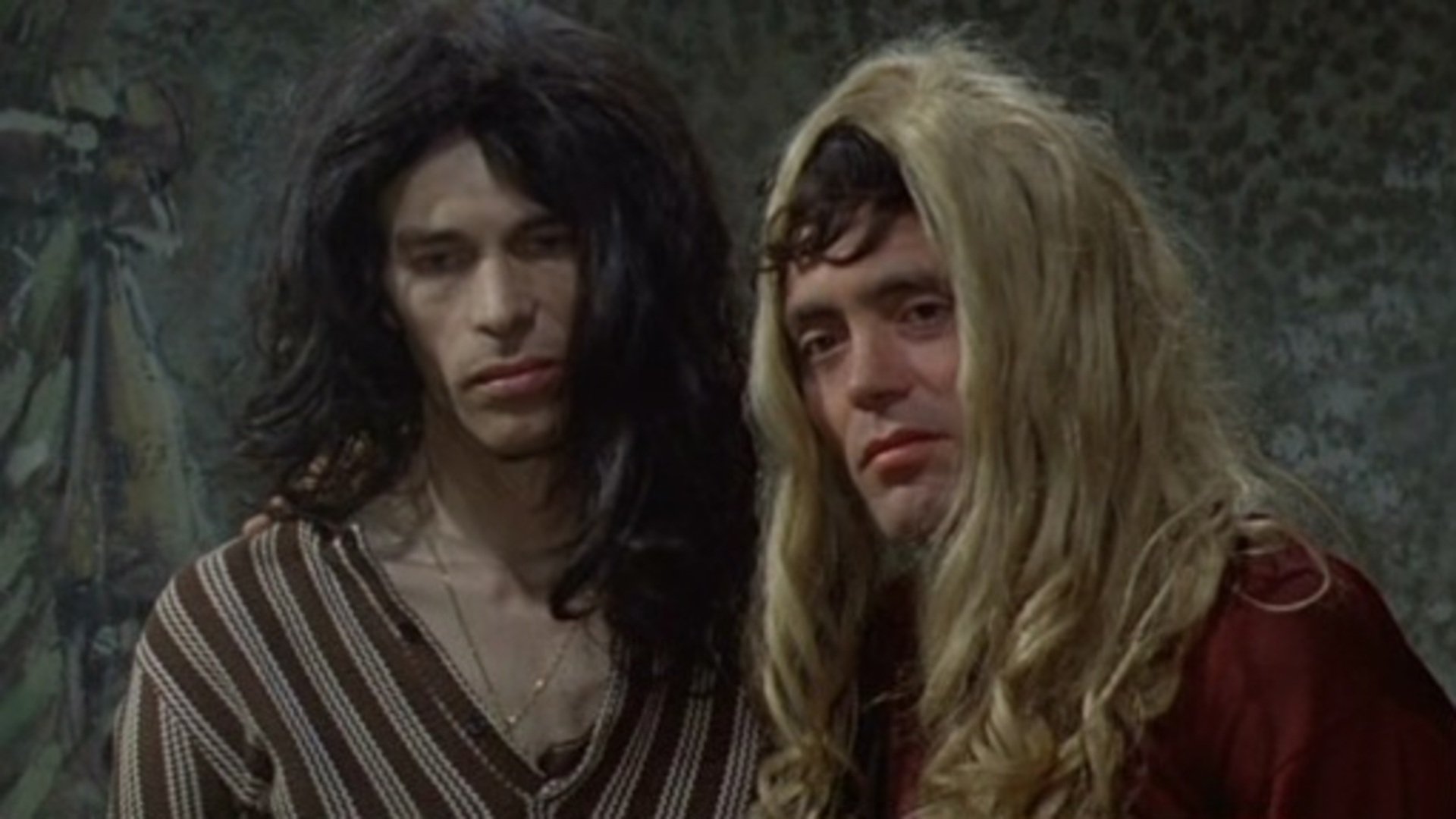
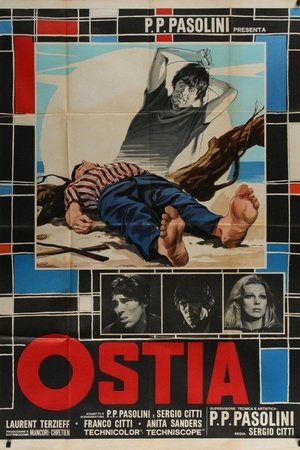


Two anarchistic brothers live by petty thievery and try to recover from their Catholic upbringing. Bandiera and Rabbino were children when they pushed their drunk of a father out of a window for killing their pet sheep. When a girl is raped by her father, she is brought by young "rescuers" to the home of the two brothers who then watch their friends take advantage of her sexually. The brothers take her in, and the three live happy and celibate if not uneventful lives until the brother's are sent to jail for stealing.

Sergio Citti
Director


Laurent Terzieff
Bandiera

Franco Citti
Rabbino

Anita Sanders
Monica

Ninetto Davoli
Fiorino

Lamberto Maggiorani
Padre di Monica
Celestino Compagnoni
Padre di Bandiera e Rabbino

Lily Tirinnanzi
madre di Bandiera e Rabbino
Settimio Picone
Baffo
Gianni Pulone
Sacerdote
Alberto del Prete
Aria
Giulio Simonetti
Writing great villains is about striking a balance between charming and evil, so we love them but also love to see them lose.
What happens to an inseparable bond when love for competing morphs into competing for love?
Nope succeeds tremendously in dealing with higher concepts in an engaging and highly entertaining manner without sacrificing theme or personality.
Mahavatar Narsimha (2025) brings the epic tale of Hiranyakashipu to life with stunning animation, intense action, and a bold retelling of this timeless mythological drama.
The film does not add anything to its own conversation or genre, and falls flat once it’s about to end and must declare some sort of conclusion.
KIMI is the main character of this film and as much as I wish it was Angela Childs played by Zoe Kravitz, it isn't. KIMI is a smart device that works not unlike Amazon's Alexa and Google's Nest assisting in anything from home purchases to music playing all under the guise of only activating when in use.