





Kurosawa’s ‘Ikiru’ Comes Back to Life in ‘Living’
'Living' dives into many themes that we can all understand regardless of our cultural backgrounds. We can see this through the shared similarities between 'Ikiru' and 'Living'.
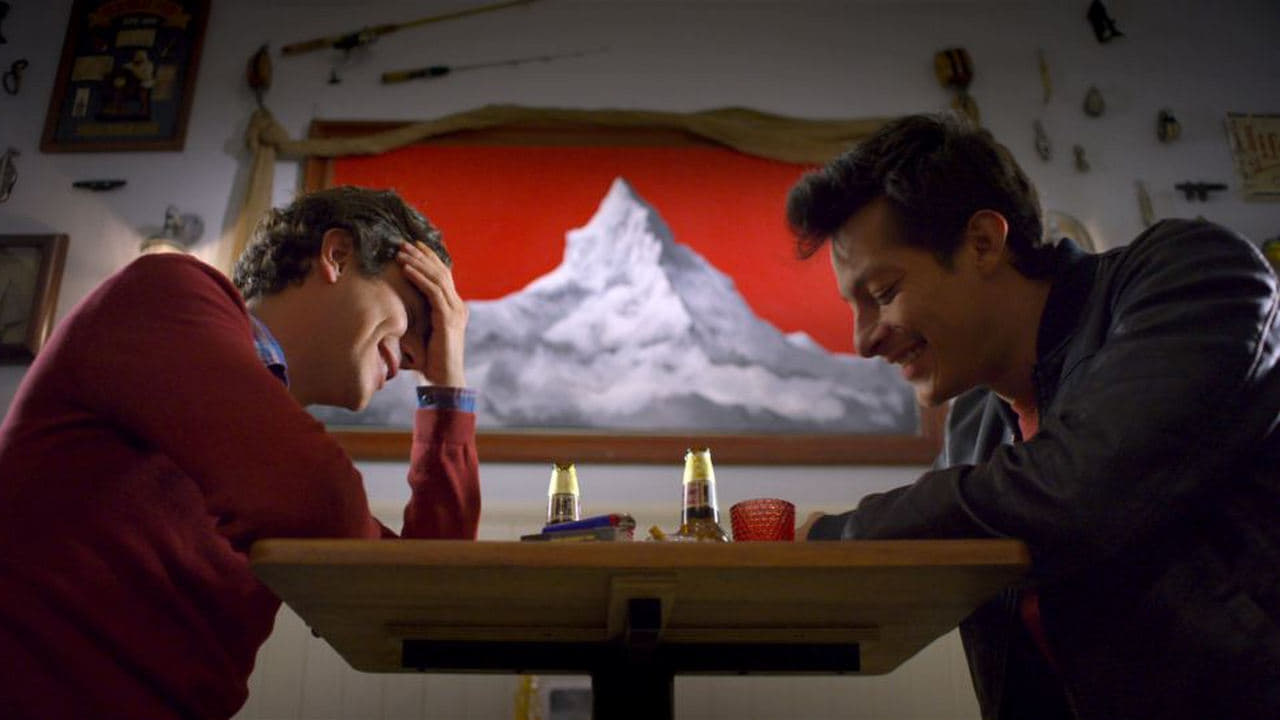
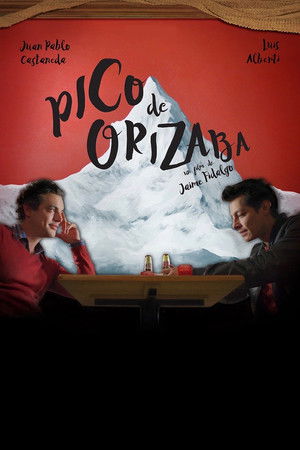


In a cozy bistro, an increasingly heated discussion between two good buddies reveals their latent sexual prejudices, as one admits to feeling finally set free by a book he has just read.
'Living' dives into many themes that we can all understand regardless of our cultural backgrounds. We can see this through the shared similarities between 'Ikiru' and 'Living'.
Him is visually stunning—all concrete cathedrals and bone-rattling impact shots that look like a nightmare highlight reel. Marlon Wayans is magnetic as this legendary quarterback who's basically selling salvation with a smile that never quite reaches his eyes. But the story keeps running in circles: more tests, more cryptic pep talks, more ritualistic drills. The sports-as-religion metaphor beats you over the head when subtlety would've been more effective. The middle drags, and that finale chooses spectacle over substance. It's undeniably stylish, but left me cold. Also worth noting: despite the Monkeypaw connection, this isn't actually a Jordan Peele film—he didn't write or direct.
A story of a magical dragon brings great representation for Chinese culture.
Ripley is a great character because she serves two distinct, but rewarding, purposes in the original film and the sequel.
At its heart, it’s a fond tribute to an influential artist and thus one that can speak to everyone’s inner artist, even if it lacks the sincere commentary you may wish to see.
A few episodes in, I realized the most prominent theme of In The Long Run wasn't culture, race or even finding independence--but the idea of belonging.