Joanelle Romero Discusses Native Indigenous Representation
I have talked with founder of Red Nation Television Network, Joanelle Romero, and the future of Indigenous representation looks bright.
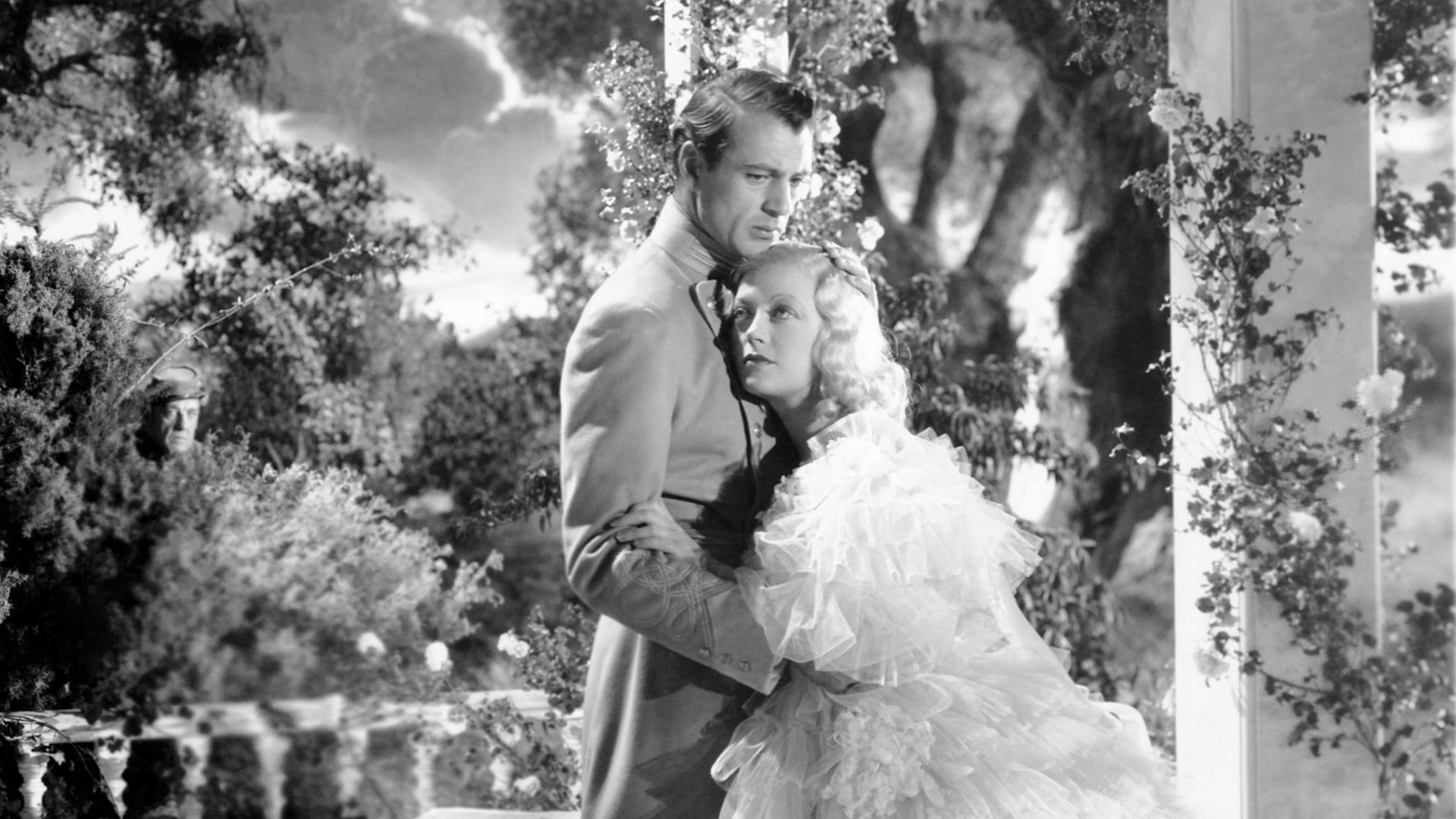



American Civil War, 1862. After the disaster of the Second Battle of Bull Run, Major Allen, chief of the Secret Service of the Union, asks actress Gail Loveless to become one of his operators and infiltrate enemy territory.

Richard Boleslawski
Director

Marion Davies
Gail Loveless

Gary Cooper
Captain Jack Gailliard
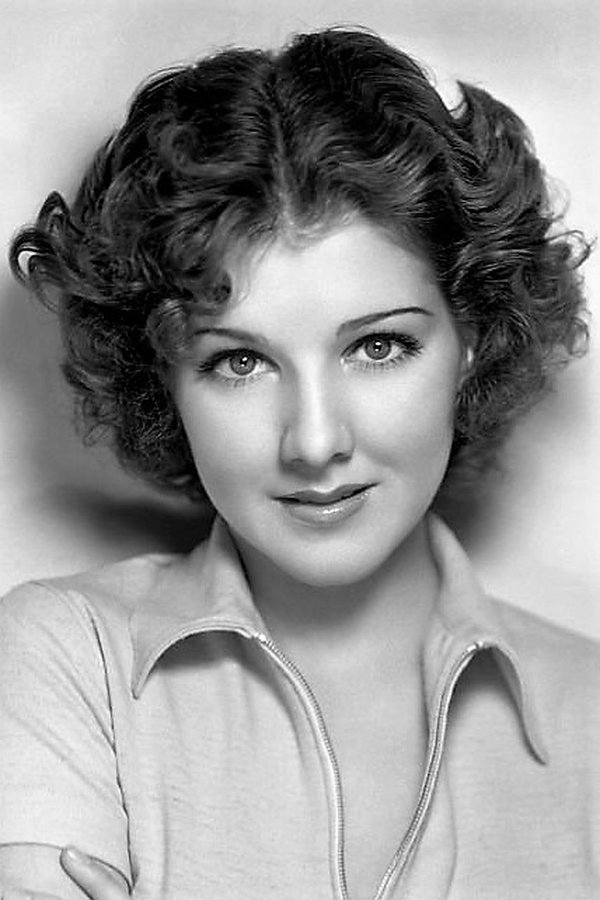
Jean Parker
Eleanor

Katharine Alexander
Pauline

Ted Healy
Doctor Hitchcock
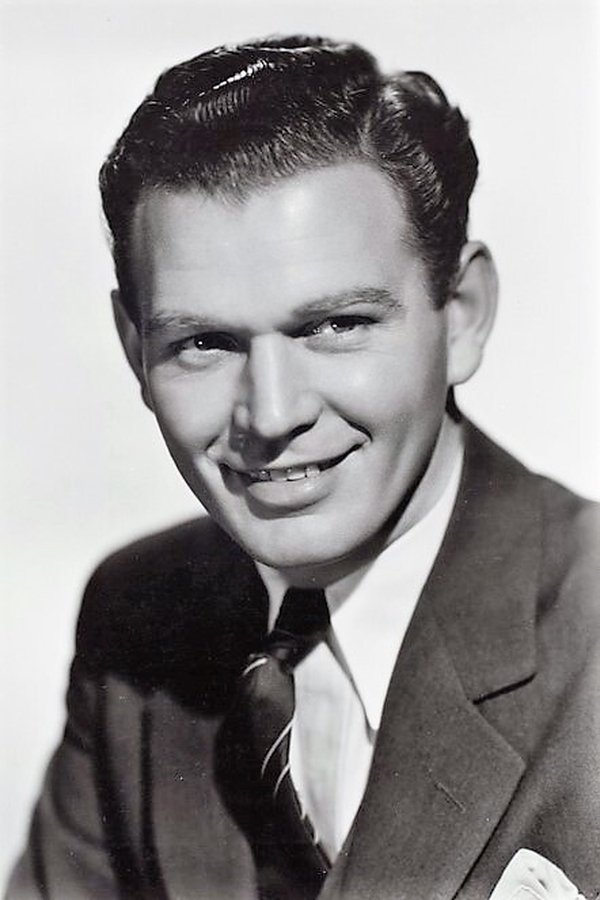
Russell Hardie
Littledale

Henry Wadsworth
John Pelham

Douglass Dumbrille
General Stuart
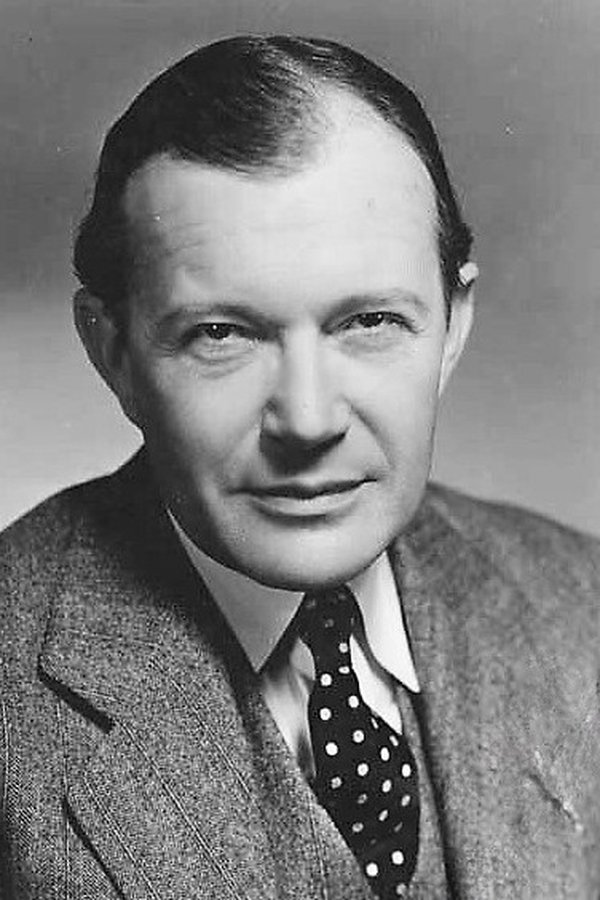
Willard Robertson
Captain Channing

Fuzzy Knight
Sweeney
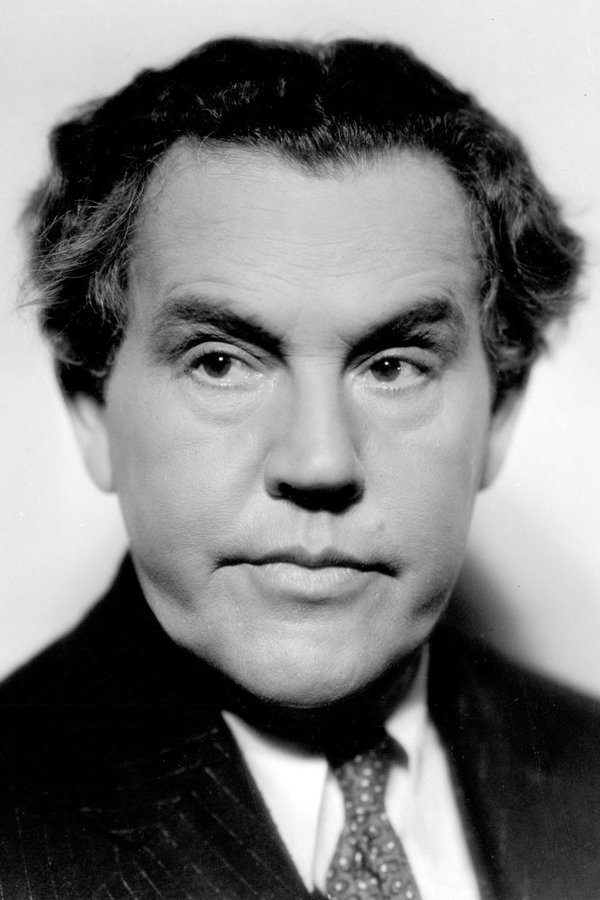
Sidney Toler
Major Allen
I have talked with founder of Red Nation Television Network, Joanelle Romero, and the future of Indigenous representation looks bright.
'También la Iluvia' exploits Indigenous peoples' fight against the privatization of water in order to tell a story about Spanish characters.
Despite being an over-talked-about piece of media, 'Euphoria' has some interesting articles about it with personal angles that oppose the average tendency to be generic.
It’s been awhile since I’ve seen a film that is jarring within the first five minutes. Being at the edge of my seat from the very beginning made me feel both excited and frightened for what was to come, and it did not disappoint. Led strongly by Jennifer Lawrence as Grace, a woman trapped in the “American dream”, this film shows that society tells us what should make us happy. Many critics describe Die My Love as being about post-partem depression, but it is so much more. After moving to a secluded home with her husband Jackson, Grace finds herself in the throes of motherhood. Feeling isolated in her physical environment and her romantic relationship, Grace suffers psychologically. Lawrence brings a sense of rawness and humor to the screen that is often uncomfortable. Robert Pattinson adds to the discomfort as her loving, yet lost husband Jackson, who cares about his wife but does not know how to help her. Lynne Ramsay has presented a film that forces us to look at the realness of life, and what happens when the promise of what should make you whole fails.
Bollywood's new superhero universe is a romantic, fantasy, and action-packed journey of a young warrior who rises to save the world with superpowers.
We're in the midst of July, the month in which Americans are supposed to be at their most patriotic! With barbecues, beach trips, and fireworks galore, this is the month where we celebrate our country. For Incluvie, that primarily means diving into the wonderful "melting pot" of the diversity of American film! In between celebrating and feasting, it's important to remember the very basis this country is founded on: "liberty and justice for all."