





Rag Tag - Nigerian Love Story for the Black Canon
'Rag Tag' encompasses the diversity within the African Diaspora by showing London Nigerian men learning to regulate their emotions while navigating love and societal pressures.
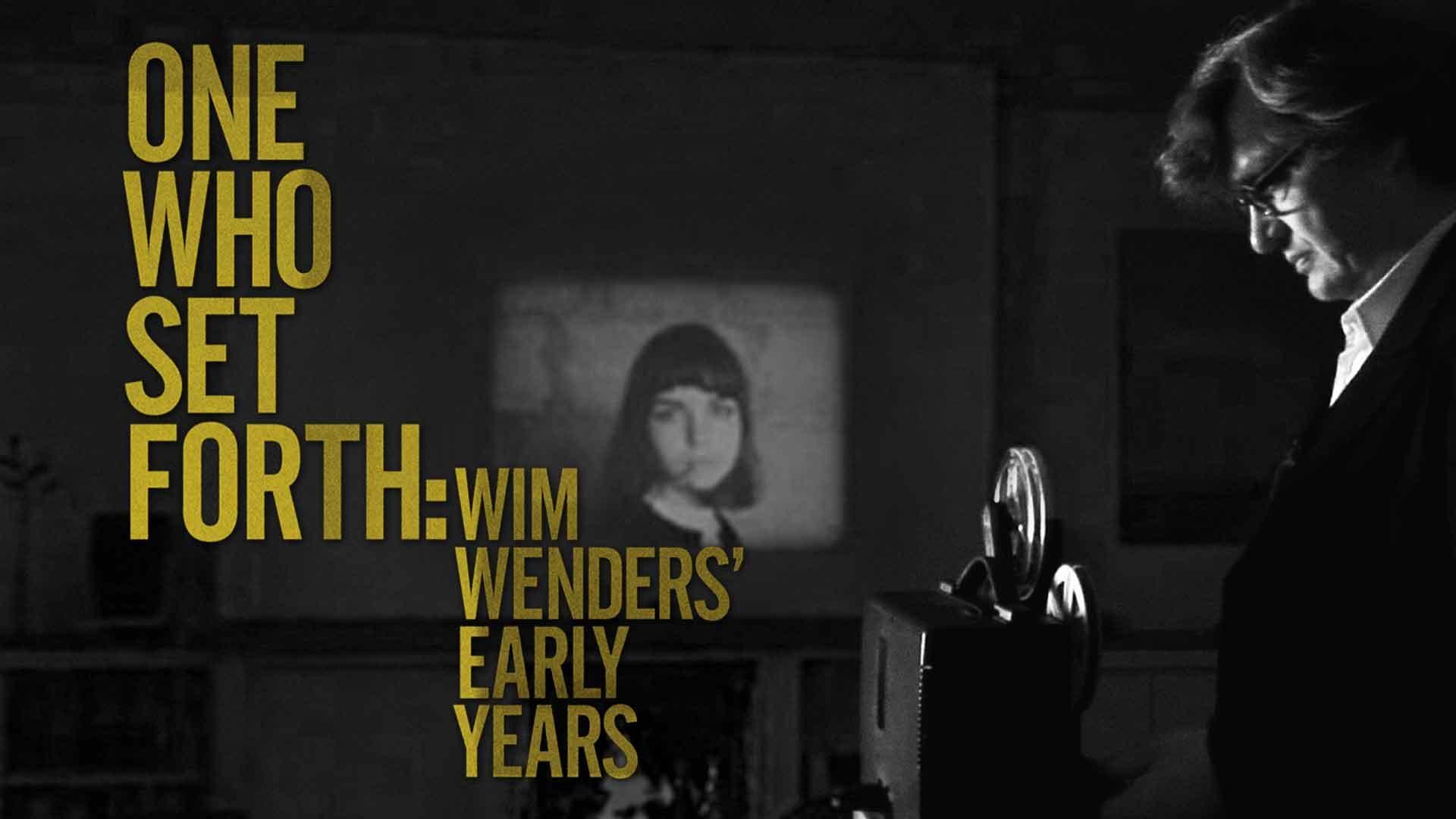



The early films of Wim Wenders are now regarded as landmarks of European film. Alice in the Cities, Wrong Move and Kings of the Road became foundations of the German New Wave and cemented the reputation of their director. In One Who Set Forth: Wim Wenders' Early Years Marcel Wehn explores the background to these films. Through personal recollection and rare home movie footage, it documents the director's early life, from experiments with his first camera, via his deviation from a career in medicine in favour of art and film, through to international recognition for the Road Trilogy. Central to these were themes that became cornerstones of all his work: national identity, the importance of personal relationships and the allure of the road. With contributions from the director and the many collaborators who helped define his vision, One Who Set Forth is a compelling account of Wim Wenders' life and work.
'Rag Tag' encompasses the diversity within the African Diaspora by showing London Nigerian men learning to regulate their emotions while navigating love and societal pressures.
The Slumber Party Massacre wonderfully combines the suspense of its horror with its commentary on gender, creating a memorable slasher classic that began a horror trilogy entirely written and directed by women.
Gotham City Sirens needs a female voice behind the camera. So, on the chance someone from DC films is reading this, here are ten female directors who would be good choices for Gotham City Sirens.
All in all, “Event Horizon” is a cinematic misfire, begging to be perfected in the future. While it possesses an array of admirable visuals, the film leaves much to be desired. If only we could see Anderson’s preferred cut, which featured more character development and tortuous imagery. In the meantime, I have a catchphrase for this film: In space no one can hear you snore.
Seven years after George Miller's previous film, 'Mad Max: Fury Road', he dives back into the scene with an equally daring movie. Although not nearly as action-packed, his newest film 'Three Thousand Years Of Longing' challenges the typical format of a film, giving you a well-known plot in an unexpected way.