Joyfully Chaotic, 'Why Don't You Play in Hell?' is a Must-See
If you enjoy Japanese cinema, absurdly violent action films, gangster flicks, or joyfully strange cinema, 'Why Don’t You Play in Hell?' is a must-see.

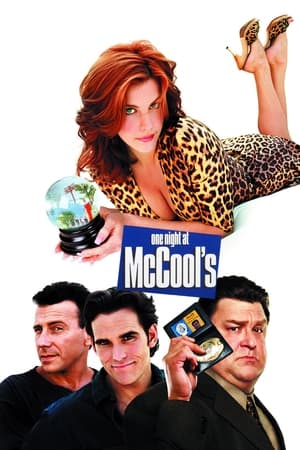


On an ordinary night, in an ordinary part of town, a beautiful young woman walks into a bar. Her name is Jewel, and before long she is chatting to bartender Randy. The pair leave together, but he ends up getting into a tussle with her criminal boyfriend, who she then shoots dead, later persuading Randy to take the rap for her. But this isn't the end of it, as both Randy's cousin Carl and the detective assigned to the murder case also fall for Jewel's charms and find themselves caught up in the ensuing events. It seems that any man who meets Jewel falls instantly in love with her, and she's going to use this fully to her own advantage, leaving a trail of havoc in her wake. It also seems that she is going to get away with it - that is, until Randy decides to hire a hitman...
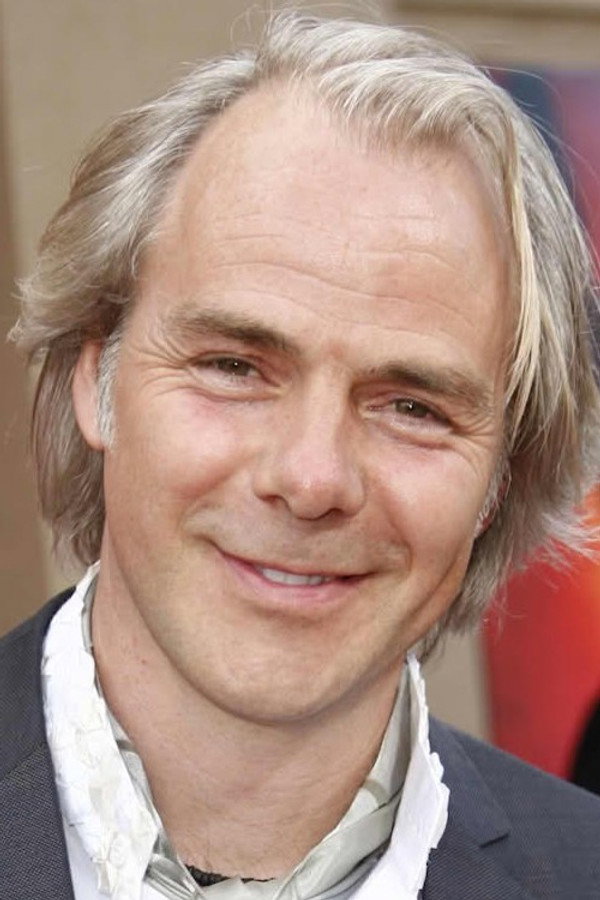
Harald Zwart
Director

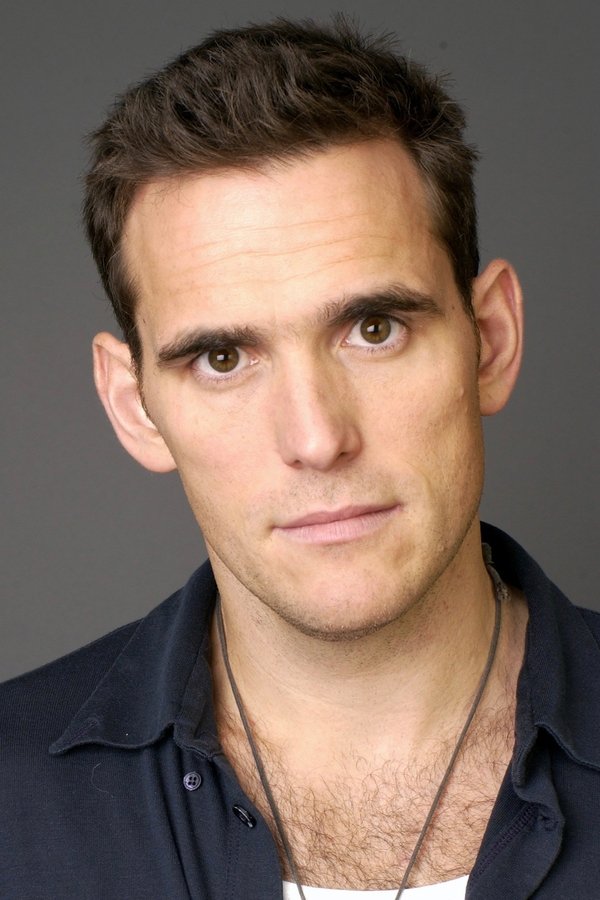
Matt Dillon
Randy
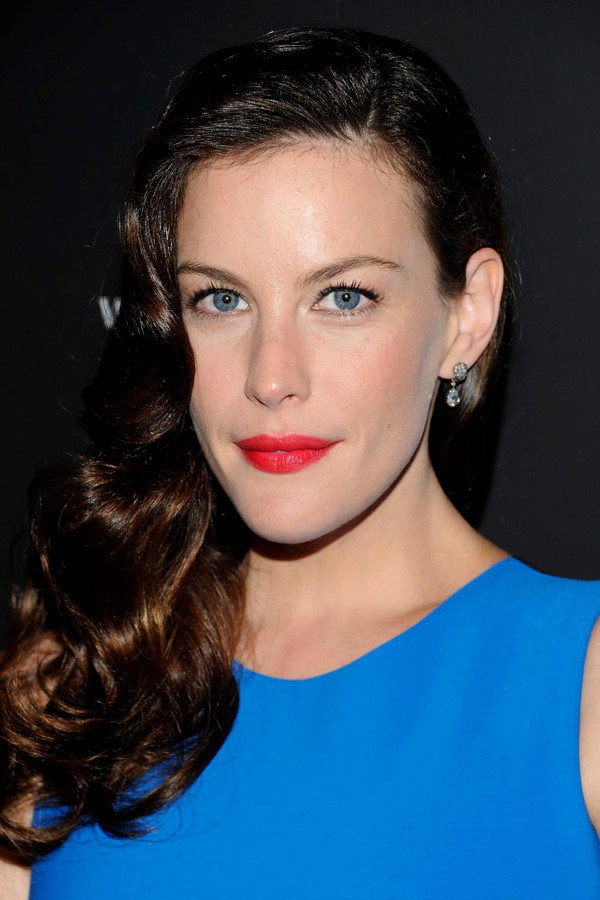
Liv Tyler
Jewel Valentino
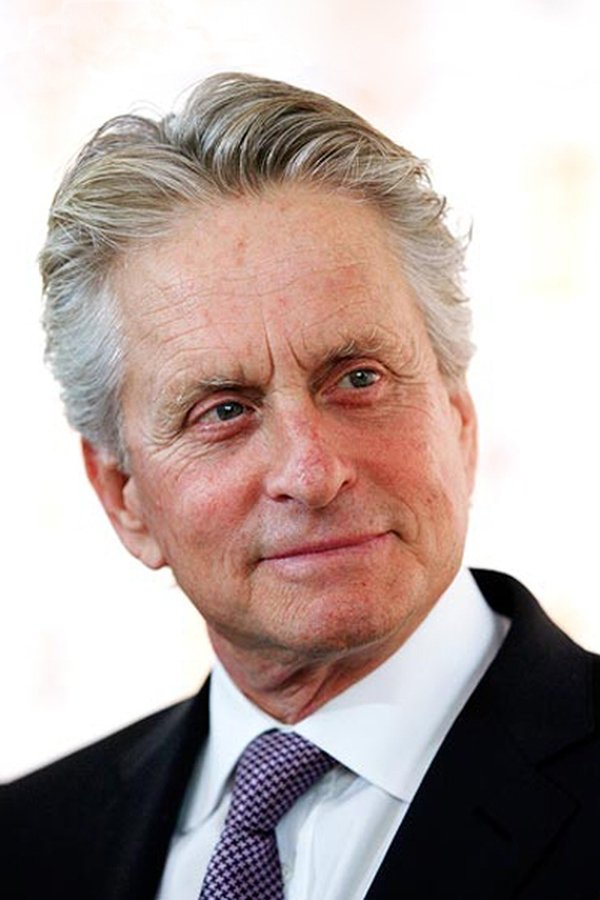
Michael Douglas
Mr. Burmeister

Paul Reiser
Carl Harding

Reba McEntire
Dr. Green

John Goodman
Detective Dehling

Richard Jenkins
Father Jimmy

Andrew Dice Clay
Utah / Elmo

Mary Jo Smith
Bingo Caller

Sandy Martin
Bingo Vendor Woman

Ric Sarabia
Uniformed Cop at Bar
If you enjoy Japanese cinema, absurdly violent action films, gangster flicks, or joyfully strange cinema, 'Why Don’t You Play in Hell?' is a must-see.
Our trilogy at Seabrook High School starts with a rivalry between zombies and humans who eventually come together.
Here are some of our picks for inclusive Black love stories in film and media. We hope you enjoy these tender love stories and beautiful depictions.
Considering the runtime, I expected each scene to hit harder as opposed to a series of montages and vignettes.
The Forge is a moving story about a young man’s search for purpose. Through mentorship, discipline, and faith in God, his life is transformed from confusion into clarity, reminding us that true greatness is shaped in the fire of surrender and growth.
Moonlight is a film that will certainly be remembered for how it won Best Picture, but the movie itself should be known for its excellent representation of one of the most underrepresented groups in film: Black, gay men.