


'Luther: The Fallen Sun', Idris Elba’s Netflix Vehicle, Fails to Make the Point
By undermining the appeal and credibility of black characters, the show compromises the very idea of diversity and representation it sets to promote.

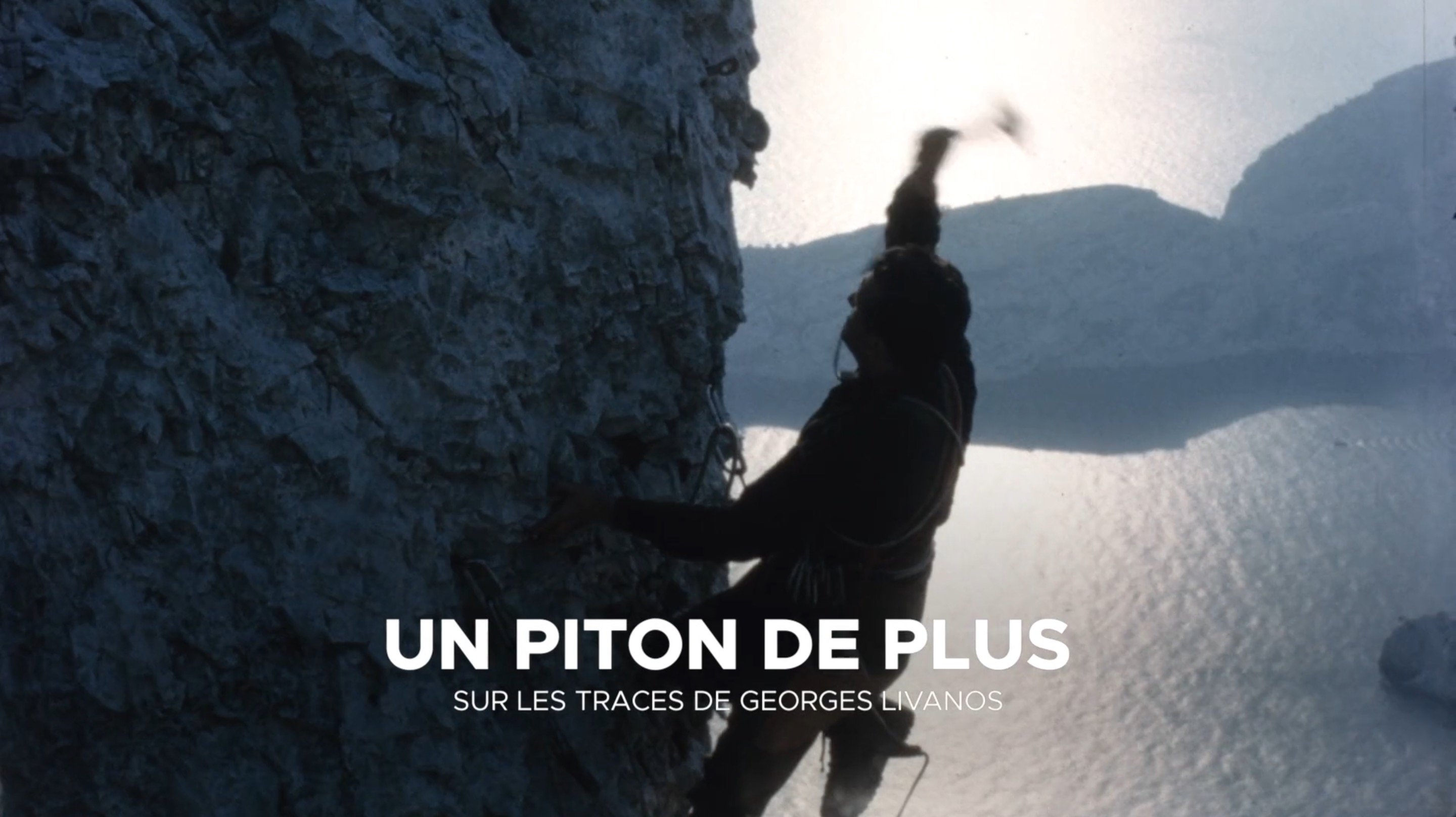
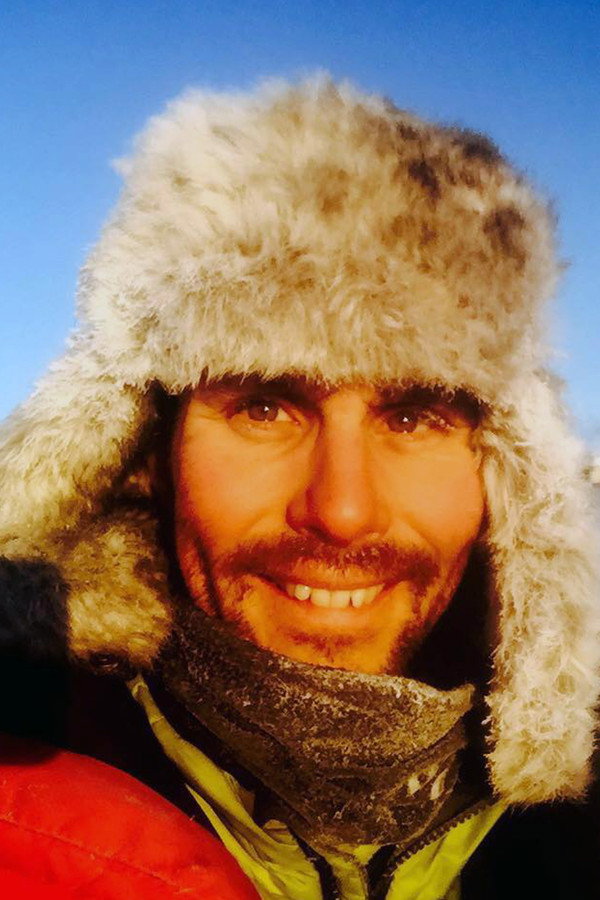
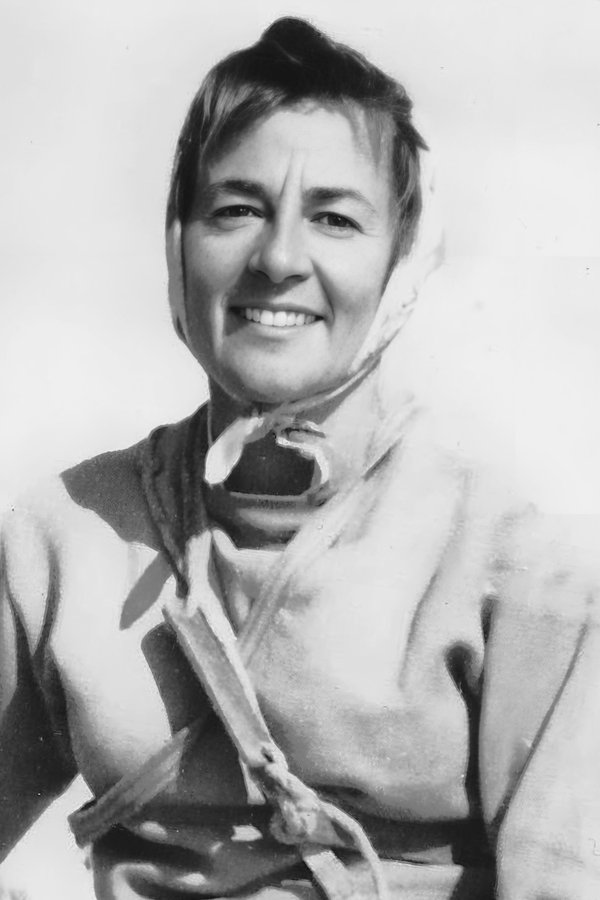
Georges Livanos. A name that hardly evokes anything, or not much, even in the heart of Chamonix, the Mecca of mountaineering. And yet, the one nicknamed “the Greek” in the 1950s, because of his paternal ancestry, was undoubtedly one of the most important French mountaineers of his time. High mountain guide, Yann Borgnet, is also passionate about the history of mountaineering. “The Greek” is one of the “old ones” who particularly marked him. Yann wants to follow in Georges’ footsteps. So the young guide imagines an alpine journey, designed to visit the great routes opened by Livanos. A dive into the heart of an immense vertical heritage, to meet a great, almost forgotten, figure of mountaineering and his heritage.
By undermining the appeal and credibility of black characters, the show compromises the very idea of diversity and representation it sets to promote.
A surprise sequel takes place ten years after the original movie based on the title of the same name, but with a twist to the fairy tale.
This coming-of-age movie based on the 1970 book by Judy Blume gives viewers a scope on female topics in the quest for a religious identity.
I can say without question, that this is the first movie I’ve ever seen where art imitates life so much that I could 100% identify with it on a personal level. The predominately Black cast of characters are people with hopes, dreams, fears, and ambitions.
In light of the trailer release for the Five Nights at Freddy's sequel, it’s due time to talk about the first movie.
We can criticize depictions from old media, but they weren’t simply “good for their time”. They were fighting and struggling in a world we can’t imagine.