
What Netflix’s 'Daredevil' Gets Right and Wrong About Blindness
The "Daredevil" renaissance is finally upon us! As we return to the Netflix show, let's take a look at the ways the show gets blindness right and wrong.
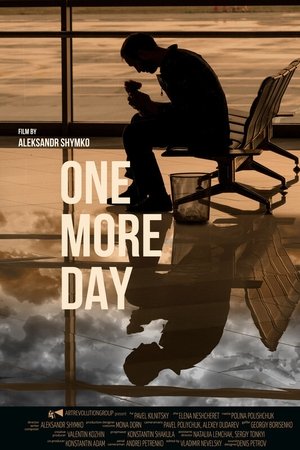


It’s an ordinary day. He cleans the same airport terminal, but suddenly, something forces him to change his everyday routine. He leaves the airport and hurries up to the house where a single woman and her daughter live. He makes them trust him quickly by persuading them that he has come to help. So the woman lets him enter her house. The stranger looks around and it seems that everything in this place is familiar to him. It will be clear soon what has brought him there indeed…
The "Daredevil" renaissance is finally upon us! As we return to the Netflix show, let's take a look at the ways the show gets blindness right and wrong.
An aspect of She-Ra that I find refreshing is even though a large portion of the cast is on the LGBTQ+ Spectrum, being gay is never mentioned. While this might initially sound like a negative thing, in the show’s land of Etheria being on the gay spectrum is shown to be so common and normalized that straight isn’t the default. As much as there is to appreciate about narratives revolving around the obstacles that may come from being non-heteronormative, it’s nice to get immersed in a world where no one bats an eye at all to any sort of differing identity.
Tom Clancy's Without Remorse has everything a movie director from the 80’s could wish.
Eventually, “Hobbs and Shaw” introduces us to a Samoan community. Clearly, Johnson’s Samoan roots are on display. Quite frankly, I found this section of the film very intriguing. The “Fast and Furious” franchise has a solid track record in the diversity department
In The Novelist's Film, Hong explores the meaningful things people share and inspire by virtue of simply engaging with one another.
There’s enough evidence to insinuate that What We Do in the Shadows is intentionally queer-coded.