

‘También la Iluvia’: A Lesson in Shallow Representation
'También la Iluvia' exploits Indigenous peoples' fight against the privatization of water in order to tell a story about Spanish characters.
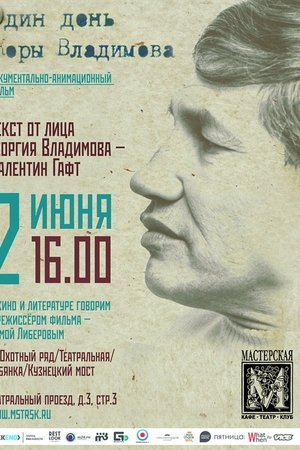


The turning point for Russia is 1991. Exiled from the country, writer, dissident and human rights activist Georgiy Vladimov found himself in a forced, joyless emigration in Niedernhausen. Later, Vladimov will begin writing a novel in three parts, "Long Way to Tipperary," which, according to the plan, would cover the period from August 1946 to August 1991. But he will have time to write only the first part, where he will again and again return to the almost unconscious childish act of one day in August 1946. On that blurry day in memory, cadet-Suvorov student Zhora Vladimov went to support the disgraced writer Mikhail Zoshchenko.
'También la Iluvia' exploits Indigenous peoples' fight against the privatization of water in order to tell a story about Spanish characters.
A film that focuses on an algorithm for a dating app that will bring viewers in for a surprise.
t’s relatable and heartbreaking all at once, and it’s impossible to watch Happy Together without reflecting on oneself. The film is stunning in every aspect, and is a vital piece of LGBTQ cinema.
It’s dark, uncomfortable, and there are things that don’t make sense.
With the theme of unemployment, it presents a family fantasy anecdote rather the a comment on social problems.
It's good for your film viewing needs, but isn’t going to shake your world. Demonic is trippy sci-fi fun, and that’s about it. And that's pretty cool.