
“Let it Snow”: A Decent Netflix Christmas YA Rom-Com
Let it Snow in a nutshell, is a warmhearted coming of age teen Christmas movie.
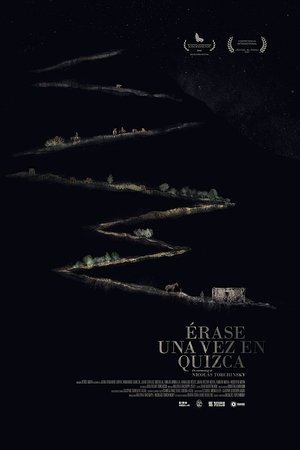


From a small town between mountains, the voice of an old peasant emerges to make present a lost memory: the solo death of one of his closest friends. Some horsemen, also old friends, embark on a restorative odyssey.
Let it Snow in a nutshell, is a warmhearted coming of age teen Christmas movie.
Clocking in at about four hours, Stranger Things season 4 volume 2 is the length of a double feature. Despite the length and the hype, the finale still falls short of expectations thanks to poor pacing, poor character choices, and poor diverse storytelling.
It’s the most loving tribute to cinema and to Ingmar Bergman, set in world that feels so habitable that I felt like only re-watching this for eternity, because of how inviting it looks and feels.
Many have interpreted Maya Deren’s Meshes of the Afternoon as a dream sequence, but what if the repetitive scenes we are given are not dreams but, a time loop.
The relationship between the characters is what makes this film stand out, and it’s just all-around fun.
Disney has hopefully learned some lessons since 1994. Are those lessons reflected in the 2019 remake of "The Lion King?"