
NIGHTBOOKS: Stylish Kid's Horror with a Focus on Acceptance
Nightbooks, the newest entry in children's horror, honors classic horror films, focuses on themes of acceptance, and has awesome production design.
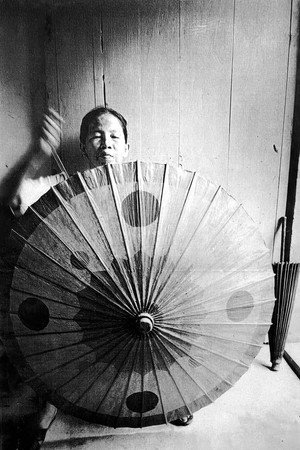


Once essential on rainy days in Taiwan, the handcrafted oil-paper umbrella from Meinung,was not only a symbol of local craftsmanship but also a major source of livelihood. However, as Taiwan rapidly shifted toward an industrial and commercial economy in the 1980s, mass-produced plastic umbrellas replaced these meticulously made paper ones. What was once a daily necessity gradually became a nostalgic cultural artifact. Today, a handful of long-established artisans continue to follow traditional methods. With patience and precision, they craft each umbrella by hand. Though its original function has faded, their emotional bond with the craft remains unchanged. Their dedication and skilled workmanship reflect a deep-rooted respect for materials and tradition, preserving a vanishing heritage one umbrella at a time.
Nightbooks, the newest entry in children's horror, honors classic horror films, focuses on themes of acceptance, and has awesome production design.
Airplane! (1980) is a fun spoof comedy with lots of laughs, right? I watched this film for the first time the other night. I loved it. Then came the racist jokes.
Amberley Snyder, a young woman whose injury leaves her with a disability, shows viewers that her handicapped state won't stop her from competition.
While the director didn't set out to make a feminist film, "A Girl Walks Home Alone At Night" reads as a reclamation of female power in a patriarchal society.
A brief look at two Barry Jenkins films that have established him as one of the greatest filmmakers of our time.
This Netflix series is a remake based on the book series of the same name with a more diverse main cast.