


"Exhibiting Forgiveness" Exhibits Excellence
‘Exhibiting Forgiveness’ seeks to ask one question, “What do you do when your parents are the source of your pain?”
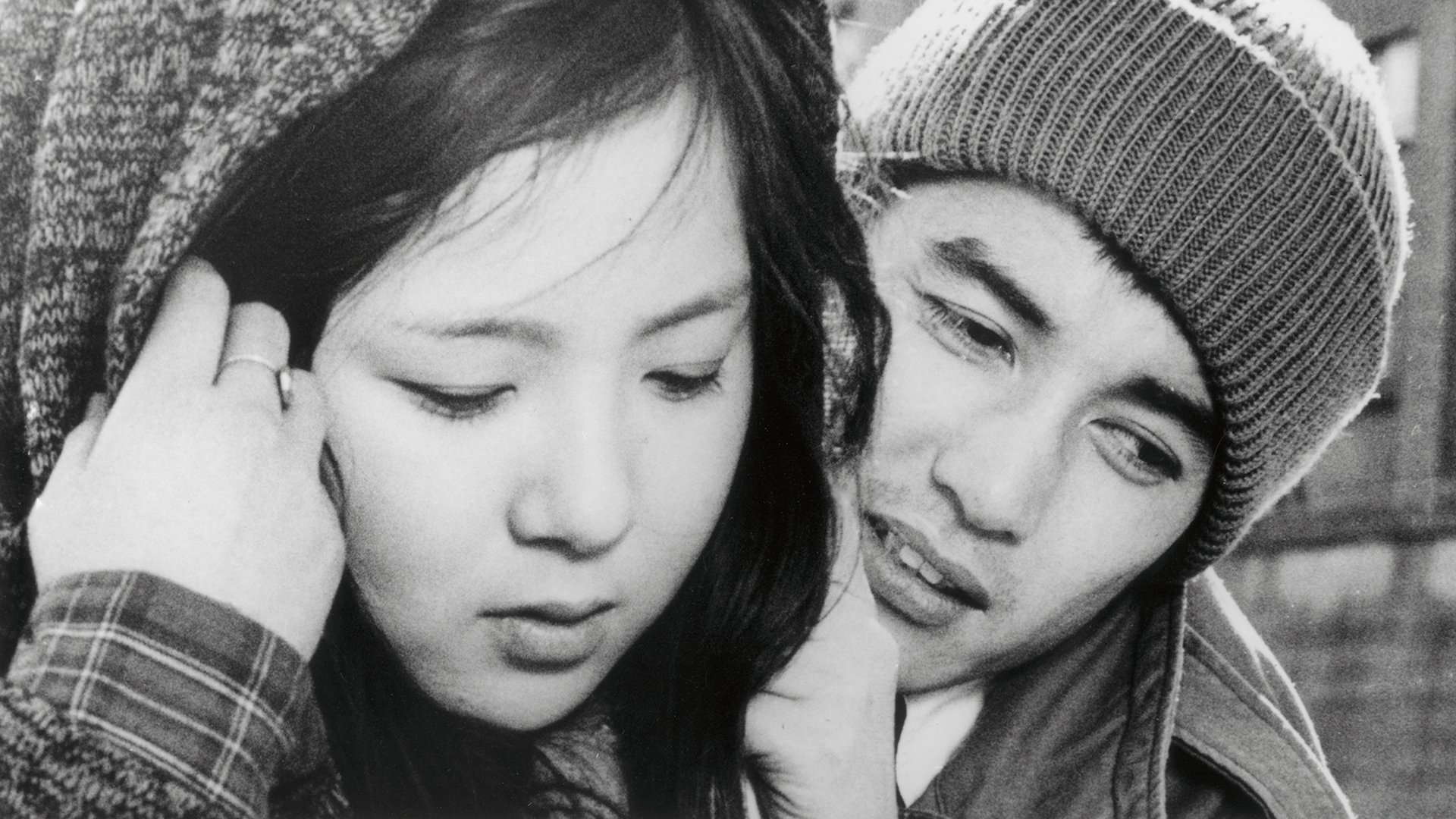
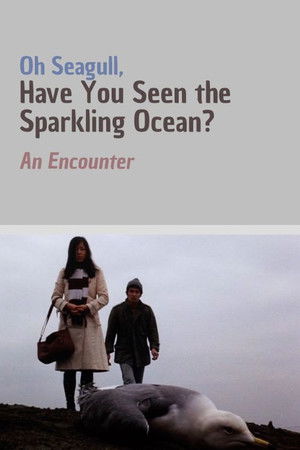


Fujishita Kumi is an ordinary office lady. Longing to escape her poor fishing village for a life in the city, she came to Tokyo. One day while alone in the office, she's spotted rolling up her pantyhose by the window cleaner Kurata Katsuo. This was to be their first encounter. Completely enchanted by Kumi, Katsuo does everything he can to get close to her. Katsuo is a man with a terrible past. With the death of his coal miner father, his family was broken up and he was forced to follow in his father's footsteps laboring away in the mud. In spite of this, Katsuo still has dreams. He dreams of living in Resiporuko, a utopian fantasyland that exists only in his imagination. When Katsuo and Kumi finally meet they find themselves unable to communicate. Katsuo spends all his time talking about Resiporuko with a starry look in his eyes, while Kumi dreams of living the high life in the city. One day when the two travel to the seashore, they discover a wounded seagull.
‘Exhibiting Forgiveness’ seeks to ask one question, “What do you do when your parents are the source of your pain?”
This animated movie focuses on Nick Daley, the son of Larry Daley, as "Kahmunrah Rises Again."
At first glance, one wouldn't think John Carpenter's cult classic would be a thematic double-billing - or that Free Guy would be worthy of being mentioned in the same sentence as They Live - but the two films of vastly different genres have more similarities upon further examination.
Episode 3, entitled “Now in Color,” brings us to the 1970s — a decade full of vibrancy, color, and total mayhem.
Slip on your favorite dungarees and spend the day on the east coast of New Zealand before the 90s.
The fun tricks used in the production design and lighting read extremely well on-screen but hardly fulfill their purpose of trying to inject glamour into a lack-luster story with nothing to say.