

“Supergirl” Is Like, Fine, Whatever
Supergirl is a decent movie, anchored by great action scenes and a great lead performance
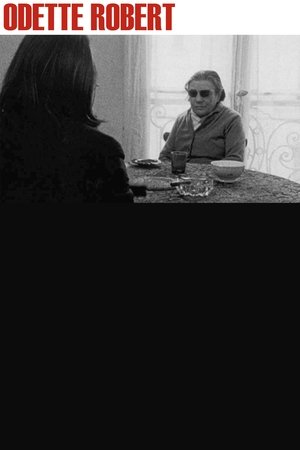


Eustache’s grandmother Odette Robert was a key figure in his life, serving as a substitute mother during much of his childhood (My Little Loves was dedicated to her). In 1971, he recorded an interview with her that went largely unseen until 2003—Eustache never screened the complete film publicly, although a radically truncated version was presented on television. In a string of long, stationary takes, the camera watches over Eustache’s shoulder while he pours countless glasses of whiskey and Odette tells the stories of her life. A number of her themes resonate with those of Eustache’s films: cruelty, male philandering, the Rosière festival of Pessac. Number Zero is a return to origins—of cinema and of the self—and an experiment in narration, both restrained and deeply personal.
Supergirl is a decent movie, anchored by great action scenes and a great lead performance
Disney has a glaring and, up until recently, unaddressed issue that spans nearly its entire lifetime - an absence of diversity.
'Hollywood Stargirl' (2022) is a teen romantic drama film that centers around the title character's experiences in Los Angeles. This film serves as the sequel to the 2020 film 'Stargirl', but unlike the previous film, the events in this movie are shown from the title character's perspective instead of Leo Borlock's.
As an Indian lesbian living in the United Kingdom, the cards are stacked against Geetika from the start.
"Spider-Man: No Way Home" isn’t just a movie; it’s an experience. It's one of the best superhero movies thanks to the amazing writing, the fantastic performances from the actors, and a healthy helping of fan service.
The idea of Rosemary's baby but with lesbian partners drew me in, and I was anticipating what the film had in store with its reimagining. Unfortunately, it all felt a little too vague to leave an impact.