
Once Upon a Time in (White) Hollywood
Tarantino's alternative history of the 1960's uncritically repeats the era's sexist and racist stereotypes.
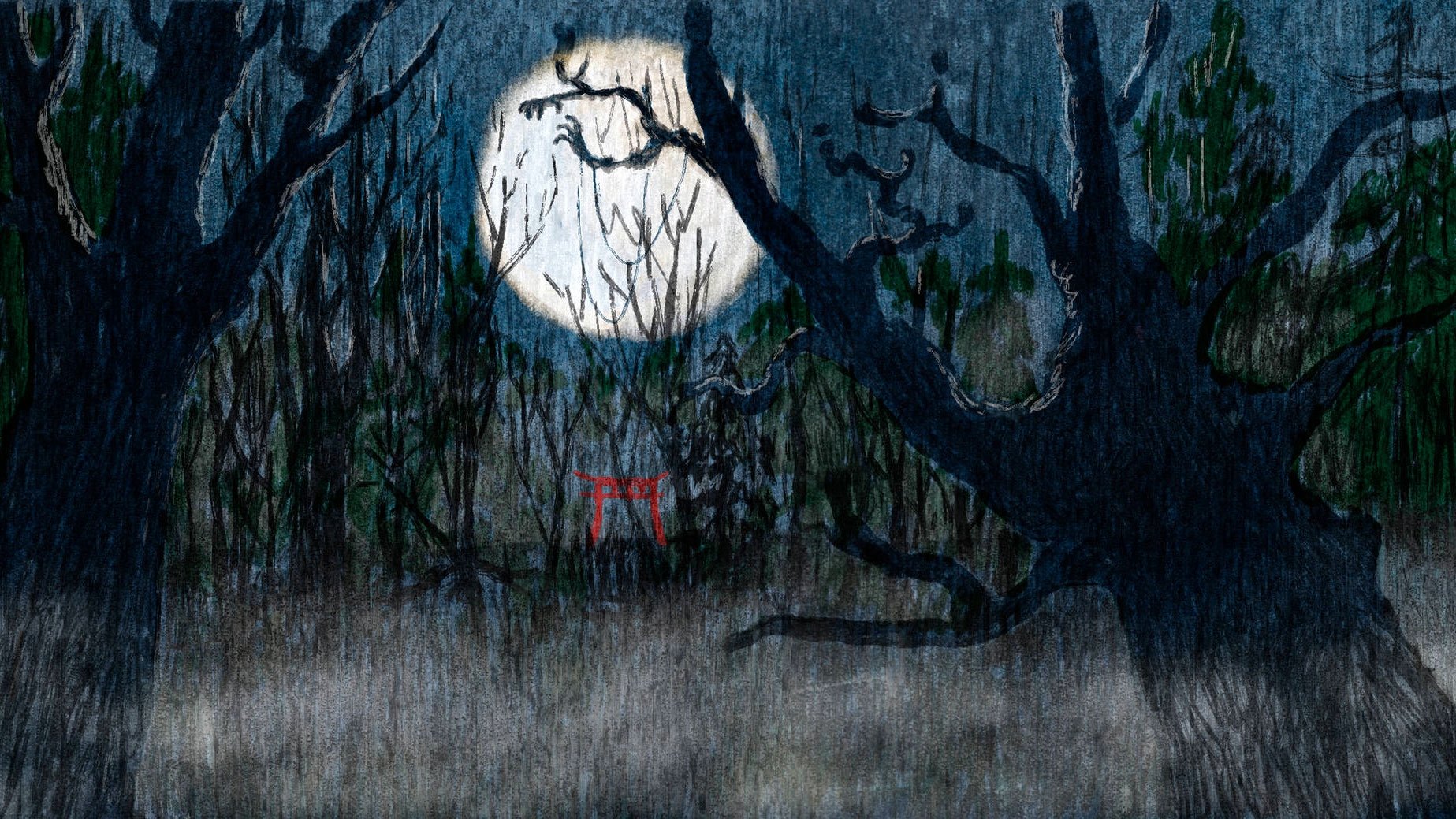
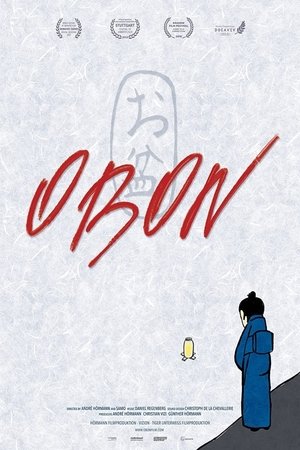


Akiko Takakura is one of the last survivors of the Hiroshima bomb. During Obon, she receives the spirits of her parents and is haunted by memories. Finally Akiko experiences paternal love in the middle of the ruins of Hiroshima.
Tarantino's alternative history of the 1960's uncritically repeats the era's sexist and racist stereotypes.
This animated kids' movie shows viewers two different species--jungle animals and aliens--and how both species coexist.
'Young Royals' is a great example of positive gay representation in its two main protagonists, but the supporting characters are often frustratingly selfish.
With The Father, writer-director Florian Zeller- who wrote and developed the play upon which the film is based- pulls no punches as he confidently makes every effort to put the audience in the mind of someone whose grip on reality has all but vanished. It’s a dazzling testament to Zeller’s abilities as a director as he makes his first transition from stage to film appear as if he’s been working behind a camera his entire career. The dialogue he fashions with co-writer Christopher Hampton, along with the work of production designers Peter Francis and Cathy Featherstone, collectively makes the downward spiral of dementia startlingly tangible, doing so in a way that can be comprehended by everyone except the person it directly affects.
I’m still trying to comprehend the psychological and moral implications of their fascination with each other, or why their almost written-in-the-stars depth of connection makes so much sense.
This Comedy-Drama set in Nazi Germany, shows a young boy, Jojo who wants to be Hitler's personal guard and even conjures up Hitler to be his imaginary friend. His nationalism and prejudices of Jews change when he discovers a Jewish girl hiding in his attic.