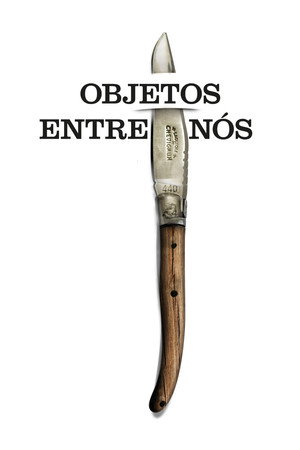
Objetos Entre Nós
In what way does contemporaneity look at objectuality, the world of objects and their relations to human beings? Objects are among us, we’re connected to them, they talk; we create them, but we’re also created by them; they affect us, they inhabit our imaginary, they are part of our memory, together with us they create our community. José Bragança de Miranda convenes a peculiar set of objects to this reflexion.

- / 5
PopScore
Representation
Pictures and Videos

Movie Information
In what way does contemporaneity look at objectuality, the world of objects and their relations to human beings? Objects are among us, we’re connected to them, they talk; we create them, but we’re also created by them; they affect us, they inhabit our imaginary, they are part of our memory, together with us they create our community. José Bragança de Miranda convenes a peculiar set of objects to this reflexion.
Rating:
Genre:
Written By:
In Theaters:
Box Office:
Runtime:27 minutes
Studio:Midnight Express, Irmã Lucia
Cast

Articles You May Like
Why You Should Know About 'Welcome to Chechnya', One of 2020's Most Thrilling Films
Documented human suffering is never easy to view or read about and is understandably triggering for many people, but it can be educational, and education is a key to change. An overwhelming amount queer people worldwide (and in my own country) have it far worse than I could imagine, and documentaries such as Welcome to Chechnya bring issues to light that certain groups of people would never see.
Baggage (2026): Surrealistic Visual Language and Confront the Past
Baggage’s experimental mixed formats visualized a woman’s brave inner journey of visiting the museum of her fragmented memories.
The Rise of Skywalker, the Fall of Rey
It only seems to prove that when the company had their backs against the wall and needed an all pleasing, generic movie that had to make up for The Last Jedi, they chose to sacrifice almost everything that made their main protagonist interesting and that made her stand out as the strong female character that a generation of young movie goers was supposed to look up to. Instead, we were left with a Rey that was so much less than she could have been. And I guess that’s the real story of Rey and The Rise of Skywalker; they could have been so much more, but they were just more of the same.
'Purple Hearts': A Romantic Drama Movie
Cassie, a musician, and Luke, a man serving in the Marines, form a false relationship and keep it a secret.
“An American Pickle” Should Have Stayed in the Jar
Wacky antics ensue when a 100-year-old Jewish man wakes up from a pickled hibernation in the modern world.