







Wreck-It Ralph Transforms from Bad Guy to Good Guy
I'm bad, and that's good. I will never be good, and that's not bad. There's no one I'd rather be than me.
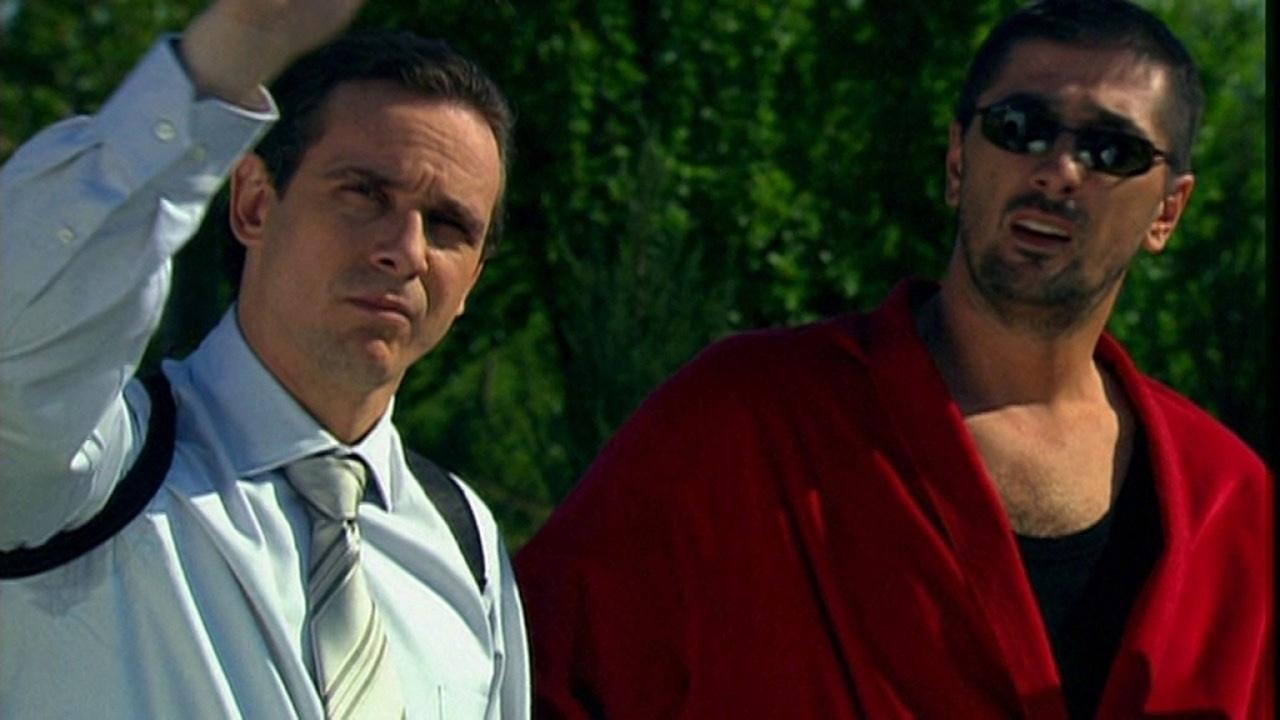
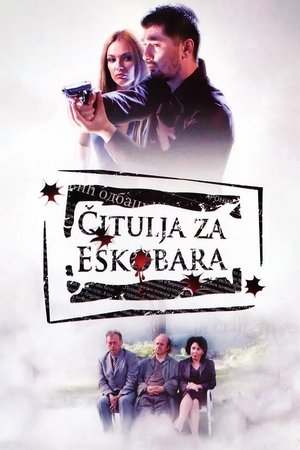


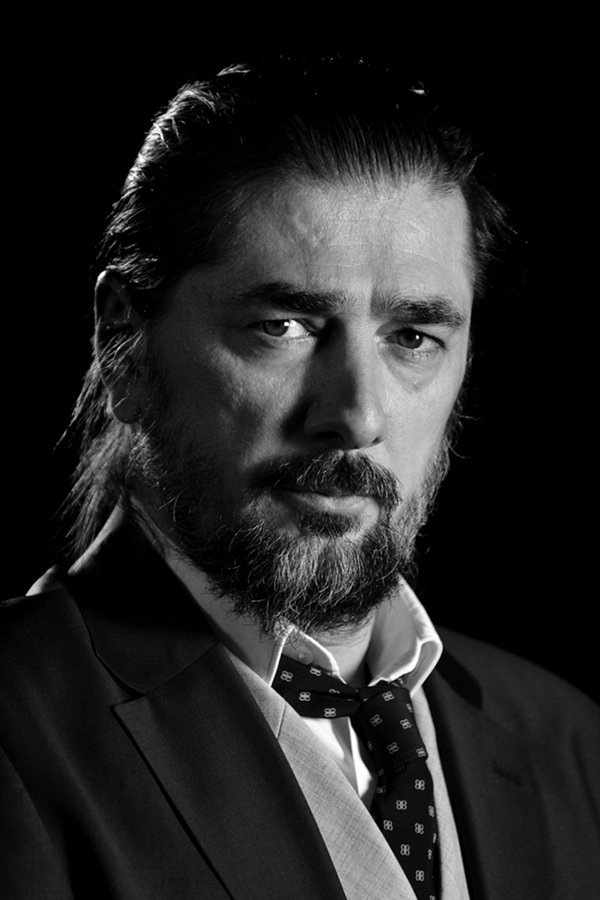
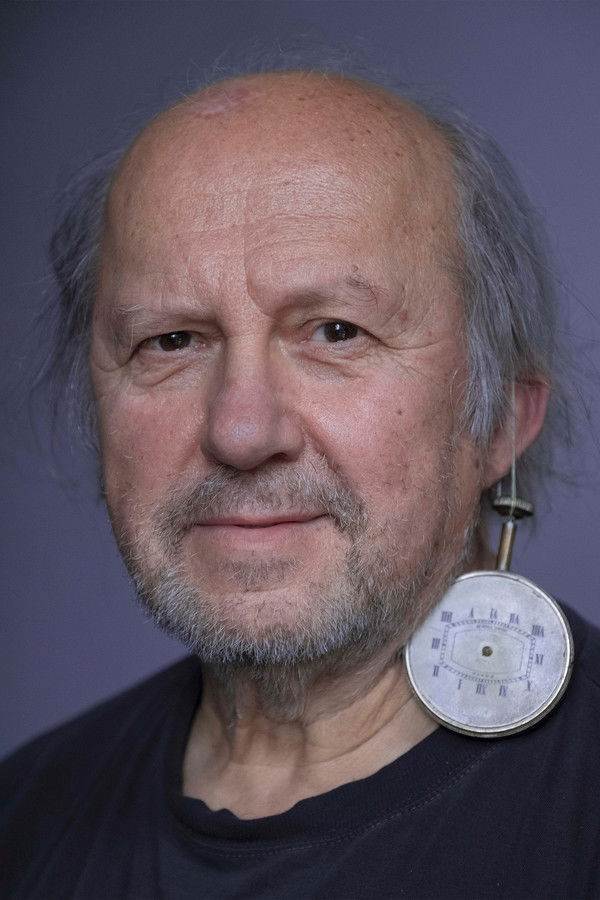
Serbian crime drama focusing on Belgrade's violent criminal underworld. Obituary For Escobar distinguishes itself from other recent crime dramas with its strong visual style and energetic approach. Borko was a young effeminate boy bullied at school by the self-styled 'Ghandi'. Years on, Ghandi is now a warlord, wrecking mayhem in pursuit of his ambition to become the leading drug lord in the Balkans. His execution of the rival 'Serbian Escobar' coincides with the mysterious placement of an obituary for the real Escobar by two stoners. In Ghandi's pursuit of the assailants he meets Lela, a stunning mystery woman who leads Ghandi to reconsider both "Borko" and his life in crime.
I'm bad, and that's good. I will never be good, and that's not bad. There's no one I'd rather be than me.
The height of subversive horror cinema is Jennifer’s Body. No, I will never budge on that. Yes, Cabin in The Woods is funny, Scream is very well made, and the Scary Movie franchise is …. there. But nothing is quite as satisfying as watching the teenage succubus that is Jennifer Check rip apart boys. In the post #metoo era where the industry is far from changed, watching revenge flicks like these is probably one of the most cathartic experiences due to the slow-moving progress being made.
Andor is an origin story where each side will do whatever it takes.
This action thriller is made with the hope that the black youth of America will feel empowered, and realize the significance of their heritage.
If you’ve been itching for a sign to finally go on that unforgettable summer camping trip, this is it.
Mirrorball is full of passion and love for the medium of cinema and is indeed a fitting love letter to La La Land.