






Surface Level "People We Meet on Vacation" is Still a Fun Time
Unfortunately, People We Meet on Vacation didn’t hold up quite as well as I’d hoped.
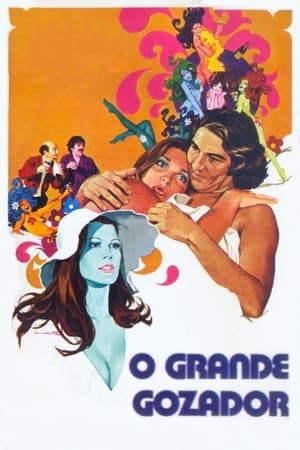


"Lula, 'bon vivant' who subsists at the expense of small blows, goes on with his life without a present or future purpose. Basically, he just tries to forget having been abandoned by his fiancee Helena, who gave in to his father's imposition. The situations in which he gets involved from then on are paradoxical, trying to survive in the best possible way and spending money he doesn't have, but which comes to him in one way or another. On a day of complete despair, Lula meets a group of "hippies" and leaves catechized. Willing to anything, he becomes a preacher of new customs and new ethics of life. In turn, Helena, whose marriage had failed, dreams of meeting Lula again, hoping to return to his arms.
Unfortunately, People We Meet on Vacation didn’t hold up quite as well as I’d hoped.
The iconic title character stars in her own horror and gothic TV series.
Wild Child tells the story of a wealthy, spoiled teenage girl named Poppy Moore who lives in Malibu, California, who attends a boarding school in England. This film shows us how Poppy is first labeled as a fish out of water compared to her boarding school classmates, as she is a wild child, but eventually earns her roommates' friendships and respect.
The Last Son of Krypton returns as the kind-hearted, blue-eyed boy scout we all know and love.
While subverting the conventions of Golden Age cinema with the characteristics of a slasher, Pearl studies the delusions of grandeur inspired by the movies.
I was able to watch the gleefully mesmerizing Disney remake that was Robert Zemeckis’ Pinocchio. I was enthralled by Zemeckis’ iteration.