The Final End - The Conjuring: Last Rites
The horror franchise that had moviegoers watching behind their fingers but on the edge of their seats. The Conjuring quartet released its final installment this year, and it did not disappoint.



How do you bring together such different people as Odette Saint-Gilles, an aging, forgotten actress living in a welfare home, Augustin Dos Santos, a pool boy at the Ritz Hotel, Bettina Fleischer, the heroine of a popular soap, and Raphael, a young, disturbingly handsome man? Together, will they have a last chance to make their dreams come true?

Anne Fontaine
Director


Danielle Darrieux
Odette Saint-Gilles

Arielle Dombasle
Bettina Fleischer

Jean-Chrétien Sibertin-Blanc
Augustin Dos Santos

Andy Gillet
Raphaël
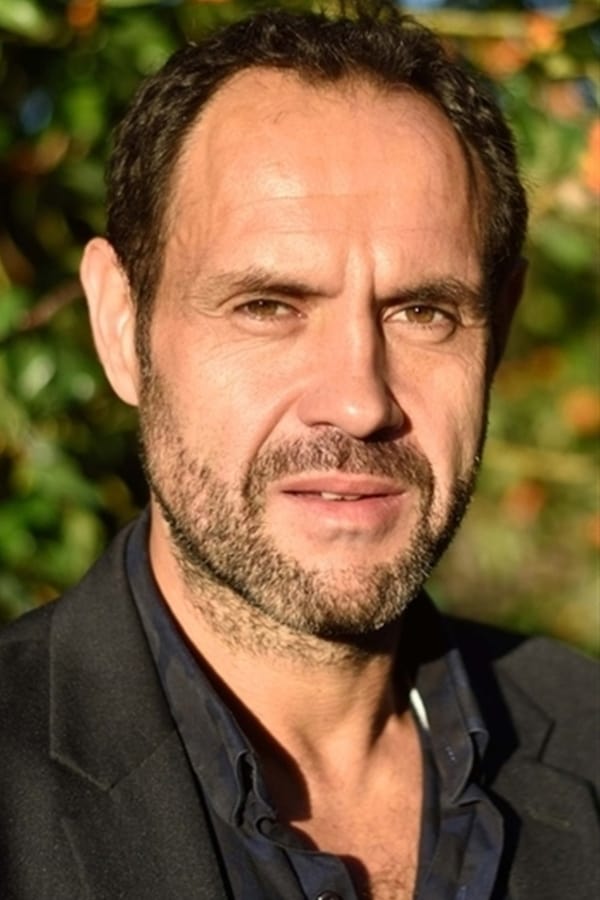
Christophe Vandevelde
Franck
Michel Baudinat
le prêtre

Katsuko Nakamura
Kumiko

Mariana Otero
Madame Da Costa
Philippe Storez
Philippe
Xavier Morineau
l'employé du Ritz
Oscar Reillier
le barman du Ritz
The horror franchise that had moviegoers watching behind their fingers but on the edge of their seats. The Conjuring quartet released its final installment this year, and it did not disappoint.
A 3D animated film centered on chasing fame in the humble stomping grounds of middle school. Unfortunately, while the protagonist dreams big, the plot falls short and fails to capture even a semblance of diversity.
Tired of being cooped up in their cages, the critters escape the Australian zoo and try to find their way to the outback.
The film illustrates the life of a single who struggles to provide an ideal childhood for her two daughters.
What can I say about this Will Ferrell/Julia Louis-Dreyfus-led “dramedy?” Well, the comedy part of Downhill is completely non-existent. And I should have known that the film was a flop when I walked into an empty theater at a prime time on a Friday night.