


Kill Bill: Volume 1 Review
Kill Bill: Volume 1 is a highly entertaining flick, designed to tap into our levels of adrenaline. Tarantino has crafted a cinematic winner, overflowing with nostalgic richness and a love for cinema.
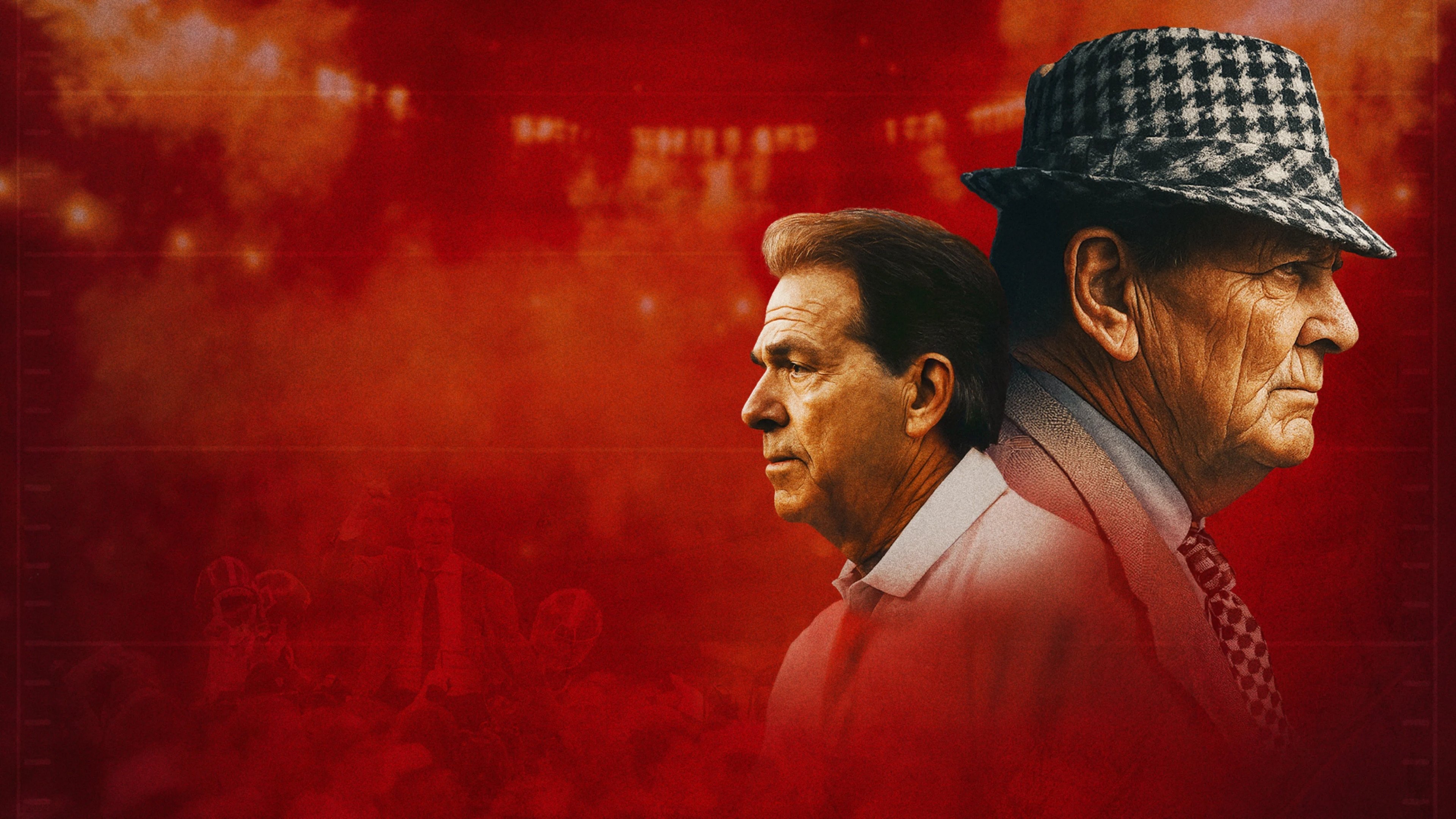
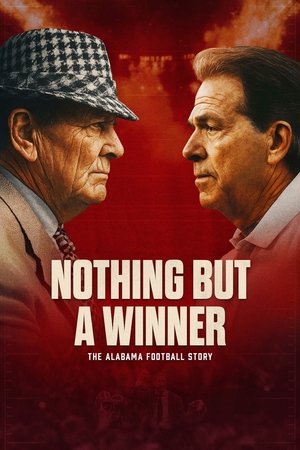


Chronicles the rise of the greatest college football program in the history of the sport – the University of Alabama Crimson Tide. But behind the ruthless competition in the Southeastern Conference and Alabama’s staggering number of National Championships lies a deeper story: the making of men. At the heart of Alabama’s dynasty are two coaching giants – Bear Bryant and Coach Nick Saban – who, in very different eras, built a culture defined not just by winning, but by relentless transformation.
Kill Bill: Volume 1 is a highly entertaining flick, designed to tap into our levels of adrenaline. Tarantino has crafted a cinematic winner, overflowing with nostalgic richness and a love for cinema.
The Forge is a moving story about a young man’s search for purpose. Through mentorship, discipline, and faith in God, his life is transformed from confusion into clarity, reminding us that true greatness is shaped in the fire of surrender and growth.
Perhaps the most amazing and groundbreaking quality about The Birdcage is how removed it is from both illness and insensitivity. Whereas films preceding it were often somber stories about the tribulations of being gay in a conservatively straight world, Nichols and screenwriter Elaine May expose the fallacies of conservatism as traditional values are thrown into a more open-minded space. They don’t care how far the community has fallen so much as how high they can rebuild themselves.
White audiences saw Peola’s mixed-race passing as a Black woman’s struggle to be white. Black audiences saw it as the rebellion of a Black woman trying to gain privileges only given to white people.
With The Father, writer-director Florian Zeller- who wrote and developed the play upon which the film is based- pulls no punches as he confidently makes every effort to put the audience in the mind of someone whose grip on reality has all but vanished. It’s a dazzling testament to Zeller’s abilities as a director as he makes his first transition from stage to film appear as if he’s been working behind a camera his entire career. The dialogue he fashions with co-writer Christopher Hampton, along with the work of production designers Peter Francis and Cathy Featherstone, collectively makes the downward spiral of dementia startlingly tangible, doing so in a way that can be comprehended by everyone except the person it directly affects.
'City of God' depicts the cylindrical cycle of violence that is forced upon the underprivileged.