



Sofia Coppola’s ‘On the Rocks’
The film does not add anything to its own conversation or genre, and falls flat once it’s about to end and must declare some sort of conclusion.
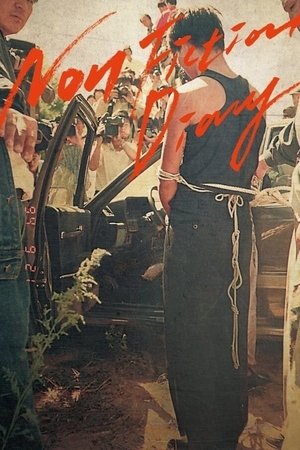


What happened in Korean society in the 1990s? The film starts with the Jijon-pa (Supreme Gangsters) case. The shocking story is narrated through the discussion by the two detectives who arrested the gangsters, of details of the roundup, data screens, and the death sentence. Nevertheless, Nonfiction Diary’s focus is not on the crime story. Starting from Jijon-pa onwards, the film reflects on the 1990s, when Korea digressed into contemporary history. The Seongsu Bridge and the Sampoong Department Store’s collapses are recalled, followed by the then-government’s punishment of the May 18 Uprising leaders, revealing the Korean legal system’s death penalty status, touching on political and power issues. The audience is reminded that today, 2013, is an extension of that same flow.
The film does not add anything to its own conversation or genre, and falls flat once it’s about to end and must declare some sort of conclusion.
Typically in film, characters suffering from mental illness are used as plot devices or exaggerated for comedy. 'The House that Jack Built's representation exceeds in accuracy and realism of OCD.
With the theme of unemployment, it presents a family fantasy anecdote rather the a comment on social problems.
‘Run Sweetheart Run’ has everything women fear the most, from psycho boyfriends to tampons.
'Bros' is a must-watch for October's LGBTQIA+ History Month and it's as good a rom-com as any! Don't let box office numbers or misguided reviews deter you from this great film.
'The Last Black Man in San Francisco' is part fiction, part documentary. Jimmie longs for the old Victorian home that he grew up in — the house that his grandfather built. However, this home is now in an overpriced, White, San Francisco neighborhood.