Incluvie – Better diversity in movies.
Identity in film with Incluvie stamps, scores, reviews.

Incluvie – Better diversity in movies.
Explore identity in film with Incluvie stamps, scores, reviews, and insights.

trailer banner
No Place to Go poster

No Place to Go 

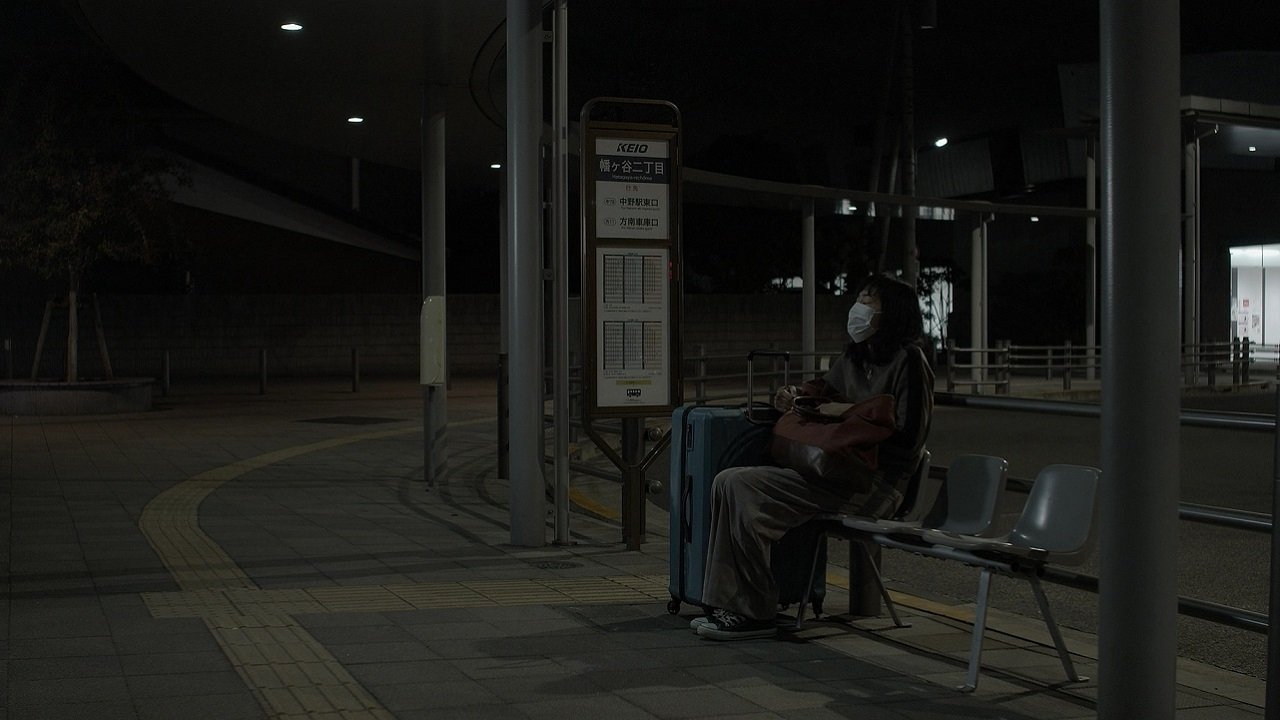
Michiko used to work as a live-in part-timer at an izakaya, but suddenly lost her job and her house at the same time due to COVID-19 pandemic. There are no new jobs because of the COVID-19 pandemic, and diners and internet cafes are closed. Michiko is at her wits' end, but there in front of her is a bus stop that stands slightly brightly in the darkness, illuminated only by the streetlights.
- / 5
PopScore
Representation

Pictures and Videos


Incluvie Gala

Movie Information


Michiko used to work as a live-in part-timer at an izakaya, but suddenly lost her job and her house at the same time due to COVID-19 pandemic. There are no new jobs because of the COVID-19 pandemic, and diners and internet cafes are closed. Michiko is at her wits' end, but there in front of her is a bus stop that stands slightly brightly in the darkness, illuminated only by the streetlights.

Rating:
Genre:Drama
Directed By:Banmei Takahashi
Written By:Aki Kajiwara
In Theaters:
Box Office:

Runtime:91 minutes
Studio:

Articles You May Like


What Netflix's “Shadow and Bone” Gets Right and Wrong with the Books’ Diversity

Netflix’s Shadow and Bone has a complicated relationship with race. It has a diverse cast, but not without its problems. Based on Leigh Bardugo’s two book series, the show features characters from the Shadow and Bone trilogy, which is very straight and white, and the Six of Crows duology, which is much more diverse. When bringing together a cast and writing about these characters, the team behind the show expanded upon some of the representation missing from the first trilogy, then seemed to take away representation from the duology. Shadow and Bone seems to play a bit of a push and pull game when it comes to portraying diversity onscreen.

Daleyna