

The Bleak Reality of “Lost Girls”
A working class mom searches for her daughter.
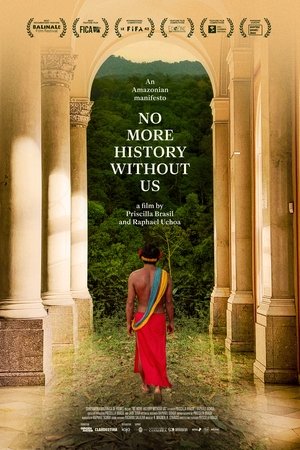


Submerged in the sea of greenwashing that drowns them daily, two Amazonian filmmakers have decided to denounce, in this film manifesto, the entrails of the historical process of inventing and exploiting the forest as an inexhaustible Garden of Eden. Between Munich and Belém, they reveal how racism and prejudice, in Brazil and throughout the world, are still organised around the idea of a “savage demographic emptiness”, unable to speak for itself.
A working class mom searches for her daughter.
Portraying how easy it is to be an ally heavily benefits the majority audience. The more we encourage it, normalize it, and give people the tools to become one, the sooner we can co-exist peacefully.
Some people’s first introduction to Mira Nair might be as New York mayor Zohran Mamdani’s mom. But with her insightful direction of 1991’s Mississippi Masala, Nair shows how much she deserves to be known as an artist. Delivering a nuanced portrait of a romance between a Black man and an Indian woman living in the South, Nair explores the complications each character faces, giving both equal weight.
One of the reasons I love watching movies is that, much like books, they serve as windows into other times and different places. Productions from around the world offer valuable insights into the history and culture of their respective countries. And just like literature, cinema can help us understand the present by showing us the past.
Making Apes begins by looking back at the history of makeup effects in Hollywood, which was revolutionized by Jack Pierce, the person behind Frankenstein (1931) and The Wolf Man (1941)
A fun-loving story focused on surviving middle school and tailor-made for its target audience. "The Diary of a Wimpy Kid" follows the paradox of finding true friendship and securing popularity no matter what it takes.