






'Zola' is a Modern Black Fairytale
It’s fun, it’s energetic, but it’s also understated and vicarial. Zola is a modern black fairytale and future of black movies.
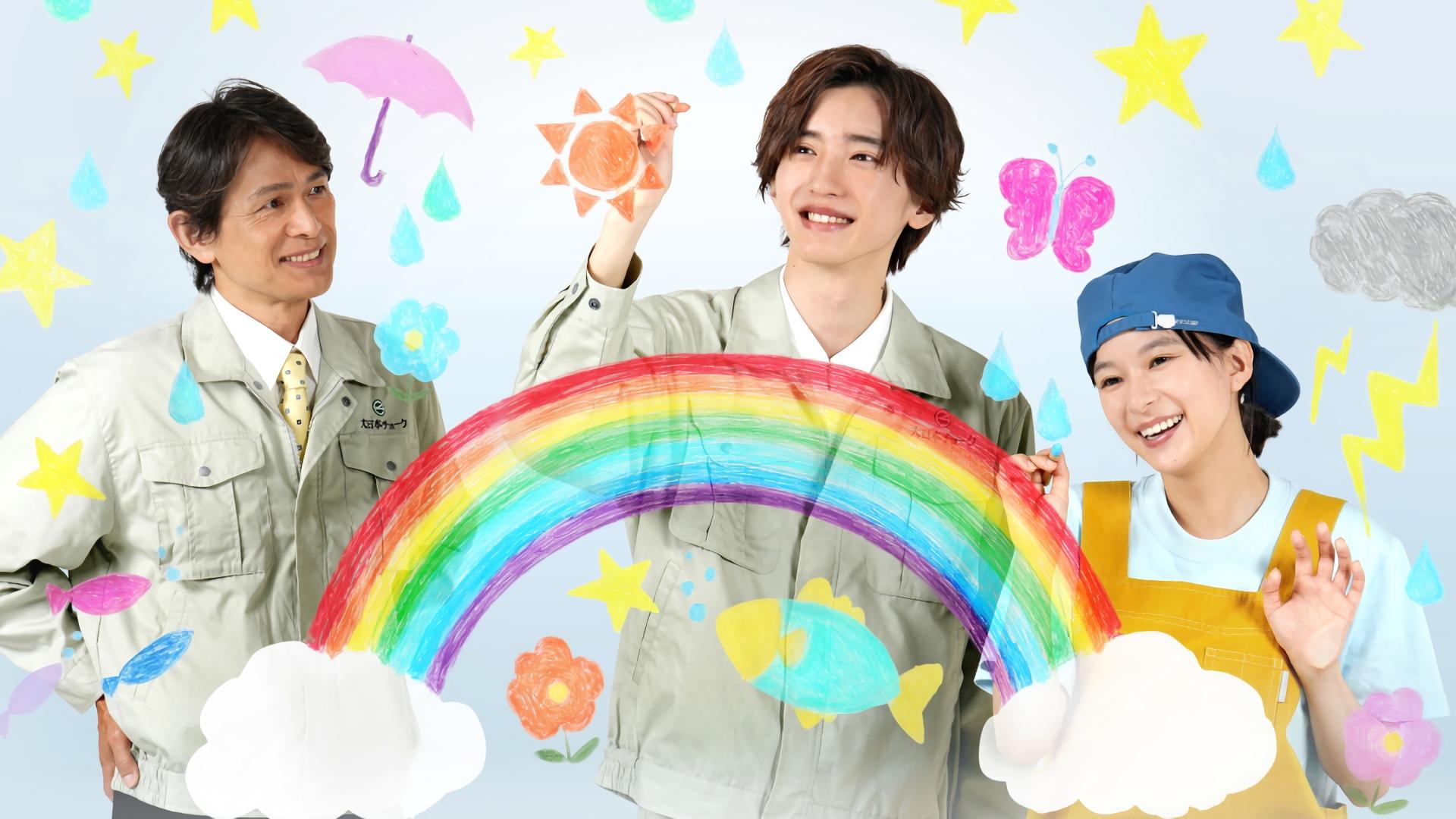



Oomori Hiroto, the chalk company president’s son, returns home after studying overseas a short while and is unsure what to do now he is back in Japan. He joins his father’s company which is struggling financially and clashes with his father over his policy of hiring the disabled. Over time, he gradually understands the “joy of working” from the sincere attitudes of the disabled employees towards their work. Attracting attention in terms of management and welfare as “the most important company in Japan,” they continue to evolve as a company creating products that take considerations into the global environment.
It’s fun, it’s energetic, but it’s also understated and vicarial. Zola is a modern black fairytale and future of black movies.
This emotional, frightening, and dreamlike story examines the ways actresses are exploited in the name of art.
Fire Island is the more inclusive film of the two with the bi-phobic definition of pansexuality in The Thing About Harry and its obvious lack of colour on screen
Queen & Slim is a nice example of representation in both cast and crew
The social issues The Half of it takes on are handled well, between the antagonization brought on to Ellie for her race and the conflict that arises from her being gay. Both aspects of her character are built up over the course of the film and don’t seem abrupt or rushed. The film shows racism towards Ellie and her and father in varying levels, from having her schoolmates specifically address her as "Chinese girl” to the fore mentioned way her Dad is treated due to language barriers. The same can be said about Ellie being a lesbian. While she never truly “comes out” in the narrative, that does not undermine her journey of self-discovery from being meaningful. These ideas aren’t thrust upon the viewer in a preachy manor, the scenarios that occur feel believable given the rural setting. The film presents watchers with problems whom those like Ellie may face, and leaves us to sit with them and reflect.
Turning Red' has received hate for being 'unrelatable' while dealing with one of the most human experiences. Despite the Turning Red controversy that it's unrelatable, it is yet another Pixar classic that will inevitably stand the test of time.