Sirāt: No Lesson to Learn
The one-way journey went to the desert that refused to offer an answer or a transcendence.
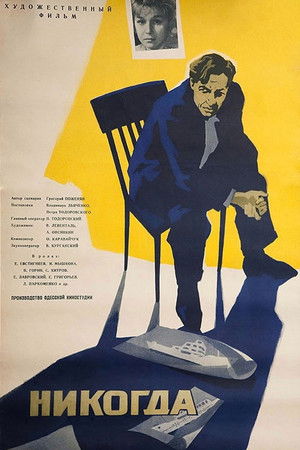


A new shipyard director arrives in the city. New orders began at the factory, but, unfortunately, the new leader had flaws: there was something unusually tough, callous in his attitude to people ...

Vladimir Dyachenko, Pyotr Todorovskiy
Director
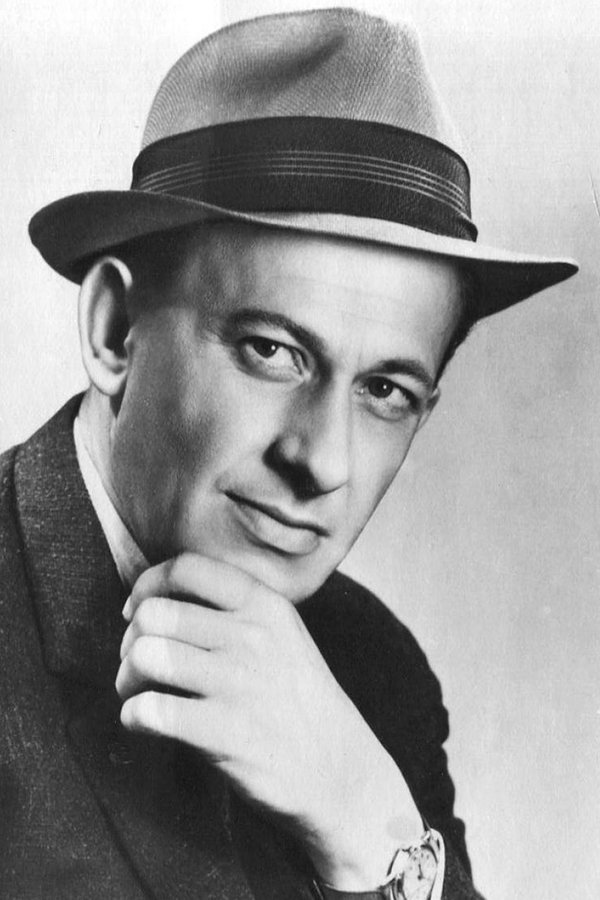
Evgeniy Evstigneev
Aleksandr Ivanovich Aleksin
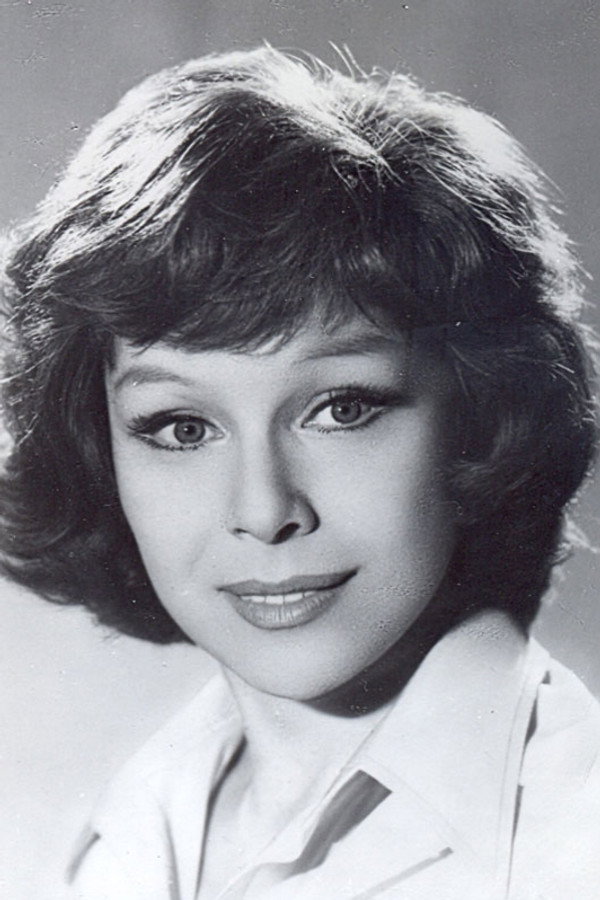
Ninel Myshkova
Irina
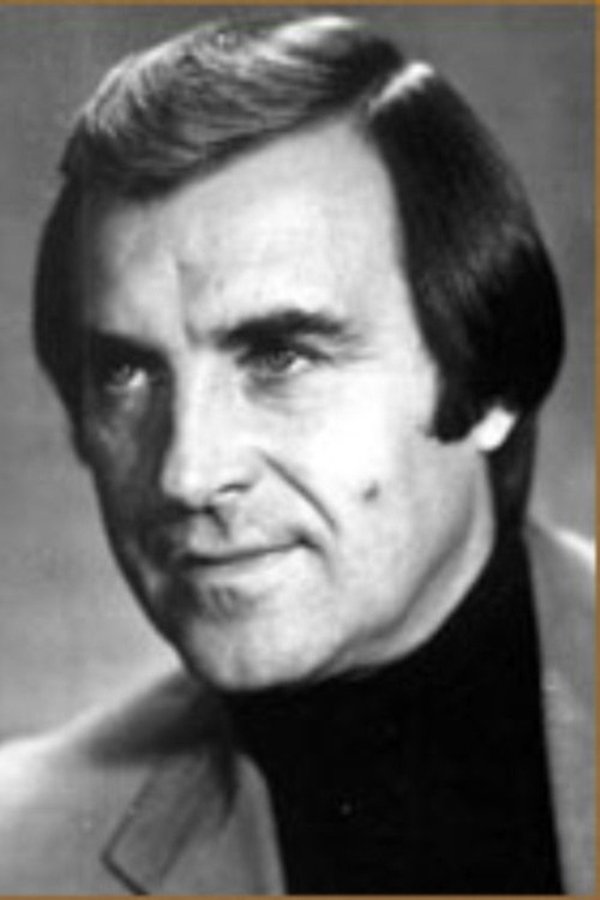
Pyotr Gorin
Fyodor Shanko

Stanislav Khitrov
Melnitskiy
Evgeniy Lavrovskiy
Dolina
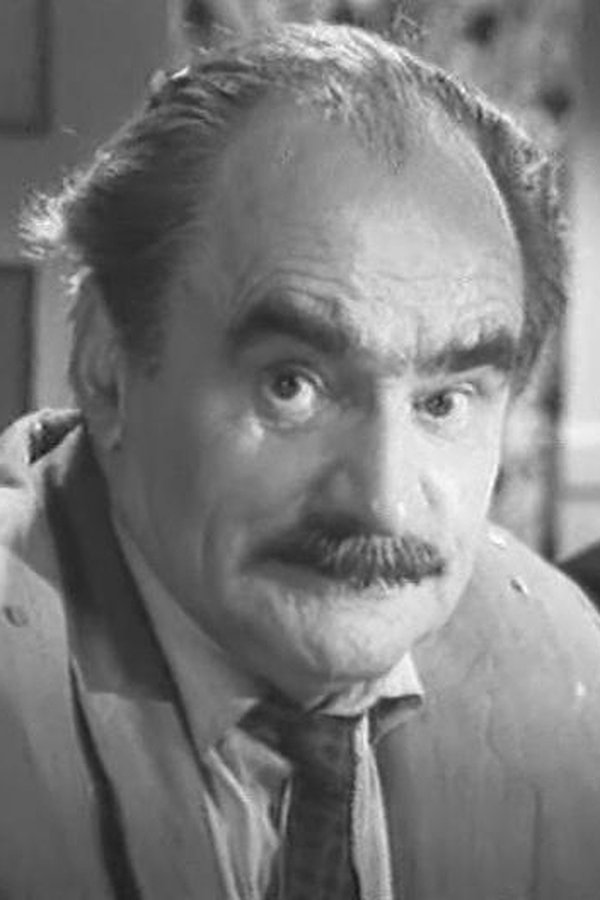
Yevgeni Grigoryev
Gorpishchenko
Leonid Parkhomenko
Shcherbak
Mariya Lvova
Inna
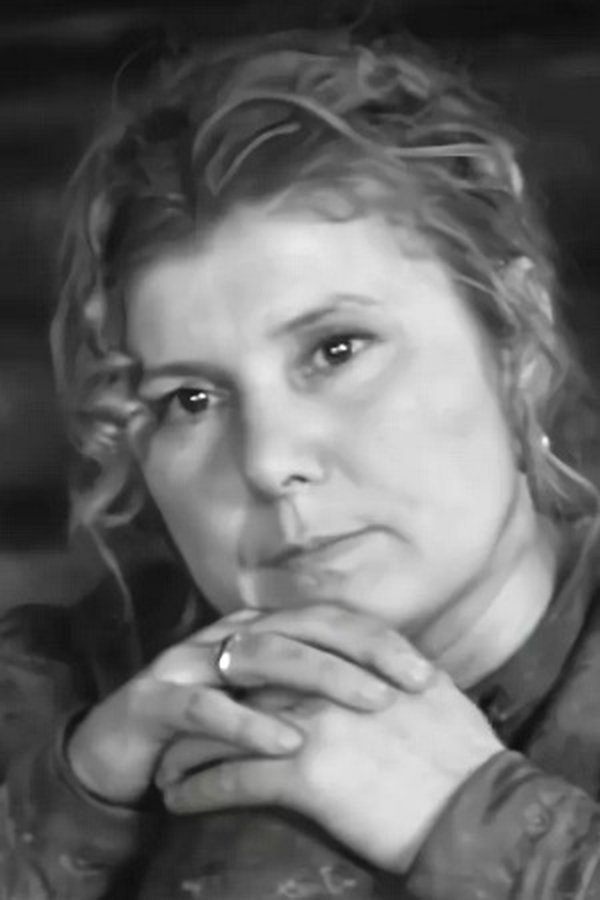
Valentina Vladimirova
Masha
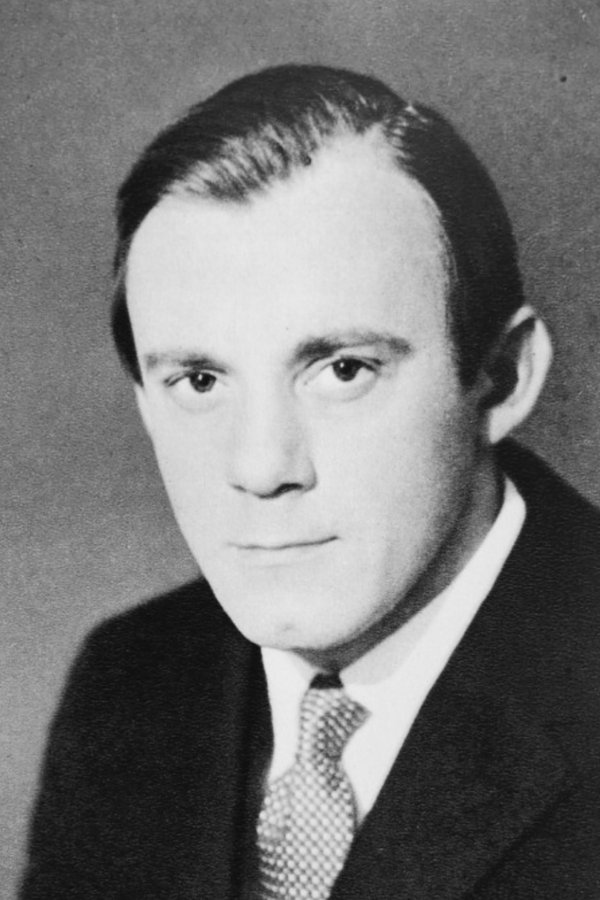
Valeriy Nosik
Nitochkin

Tatyana Bogdanova
Olya
The one-way journey went to the desert that refused to offer an answer or a transcendence.
In Spike Lee’s She’s Gotta Have It (1986), we follow the love life of powerful female protagonist Nola Darling (Tracy Camilla Johns) and explore the relationship dynamics she has with her partners. She sees three men simultaneously: Greer Childs, (John Canada Terrell) Mars Blackmon (Spike Lee), and Jamie Overstreet (Tommy Redmond Hicks). Though an 80’s film, She’s Gotta Have It is surprisingly progressive with its themes of female sexuality, although at some points in the film it is handled clumsily. Overall Nola is an incredibly compelling character especially for modern women, as we as a society acknowledge female sensuality more and more without the negative stigma.
I'm bad, and that's good. I will never be good, and that's not bad. There's no one I'd rather be than me.
"Driveways" is a nuanced portrait of an Asian American family, touching on themes of loss, growth, and belonging.
Looking for some Afro-centric entertainment? Check out these movies and immerse yourself in Black culture.
Throughout Brendan Fraser’s career, he has played a plethora of unique, layered characters who explore the importance of not being afraid to display your emotions, something that is often seen to not be a masculine trait. This idea of regulating emotion and what traits men are able to possess creates a toxic atmosphere for men who are often told they should not cry or represent their emotions in any physical way. These characters represent that men can be joyful, emotionally conscious, and sensitive, while also representing their masculine identity instead of painting those qualities as fighting against their masculinity.