









Time Passing in "Hog Heaven: The Pigz Brotherz Story"
This indie short documentary archived the story of a staple rock band as well as an essential part of local history.
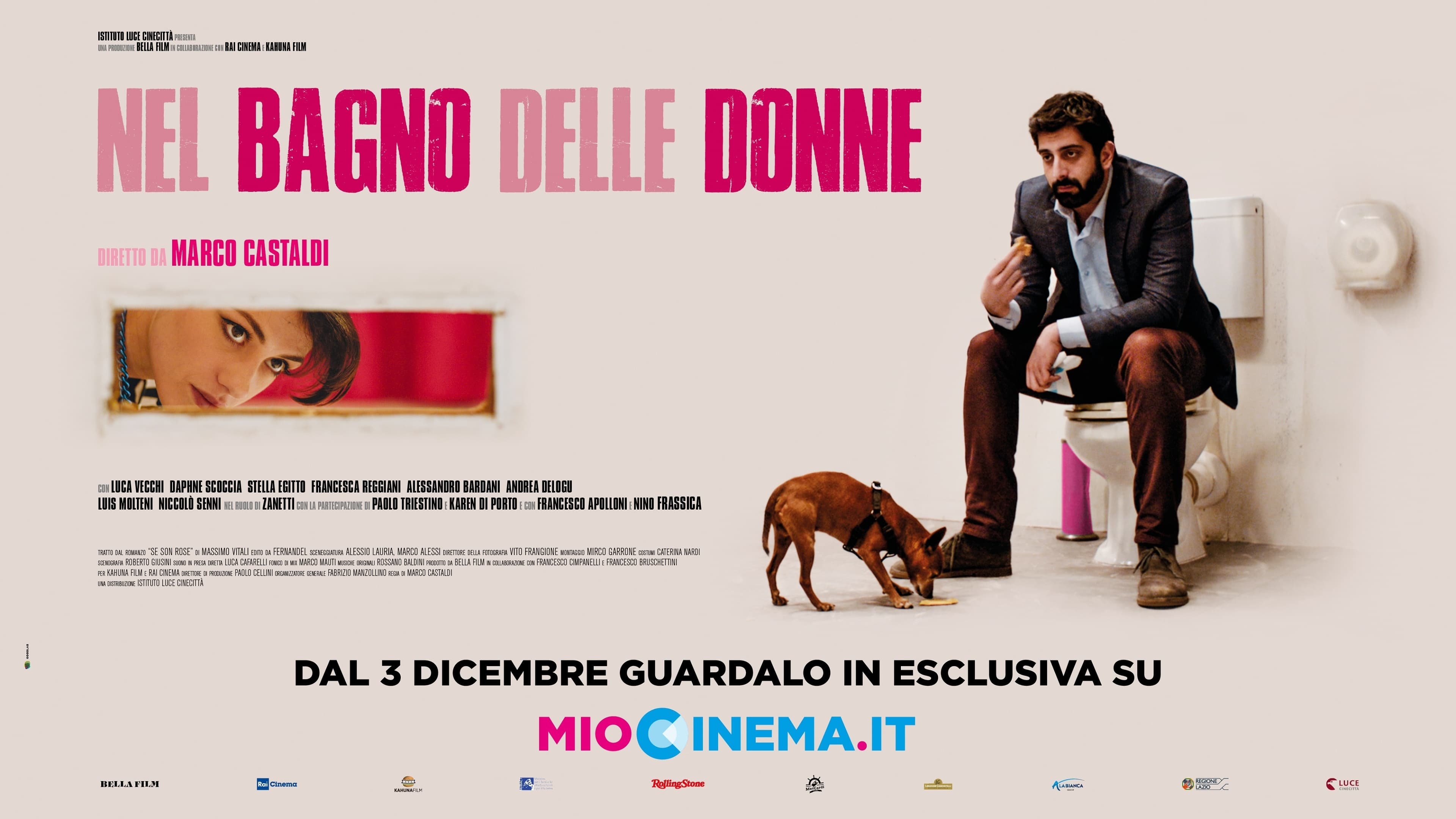


Giacomo, the main character, 35 years of laziness, is a man who doesn't know and doesn't want to fight. He is a introvert curmudgeon, a little bit nerd but not very social, who walks with the look downward on his device without giving to the people what they would like from him: only a little bit of attention and enthusiasm. He loses his job, he is left by his wife and coincidentally he remains closed in the women's bathroom of the art-house cinema, together with the owner's small dog.
This indie short documentary archived the story of a staple rock band as well as an essential part of local history.
On top of the phenomenal acting, and great dialogue between the two characters, the cinematography was ravishing! The sound was outstanding! The production design was simple, yet intrinsic. The minimalistic approach in the Malibu beach house represented how little they really have going on in their relationship. The storyline may have been much simpler than "Who's Afraid of Virginia Wolf," but all the more insightful, and much more animalistic at its core.
For many people, Disney+’s debut show, The Mandalorian, was a breath of fresh air for the Star Wars universe. The Disney Gallery shows audiences how that show came to be.
Crossroads follows a young guitarist on a journey through the American South in search of blues history and his own voice.
It took writers D.B Weiss and David Benioff two years to give us a promising final season. Two. Years. It was just going to be six episodes, which was short considering that all the other seasons — except season 7 — were 10 episodes. 10. 6 wasn’t enough, and even HBO wanted to give the writers more episodes. More seasons, even. However, the writers wanted to get out of the show as quickly as possible to work on other projects. This abruptness is clearly shown in this season.