











"Pretty": Metecan Duren's Ambitious Horror Debut Shows Promise
New horror film "Pretty" is good to look at thanks to 19-year-old director Metecan Duren.
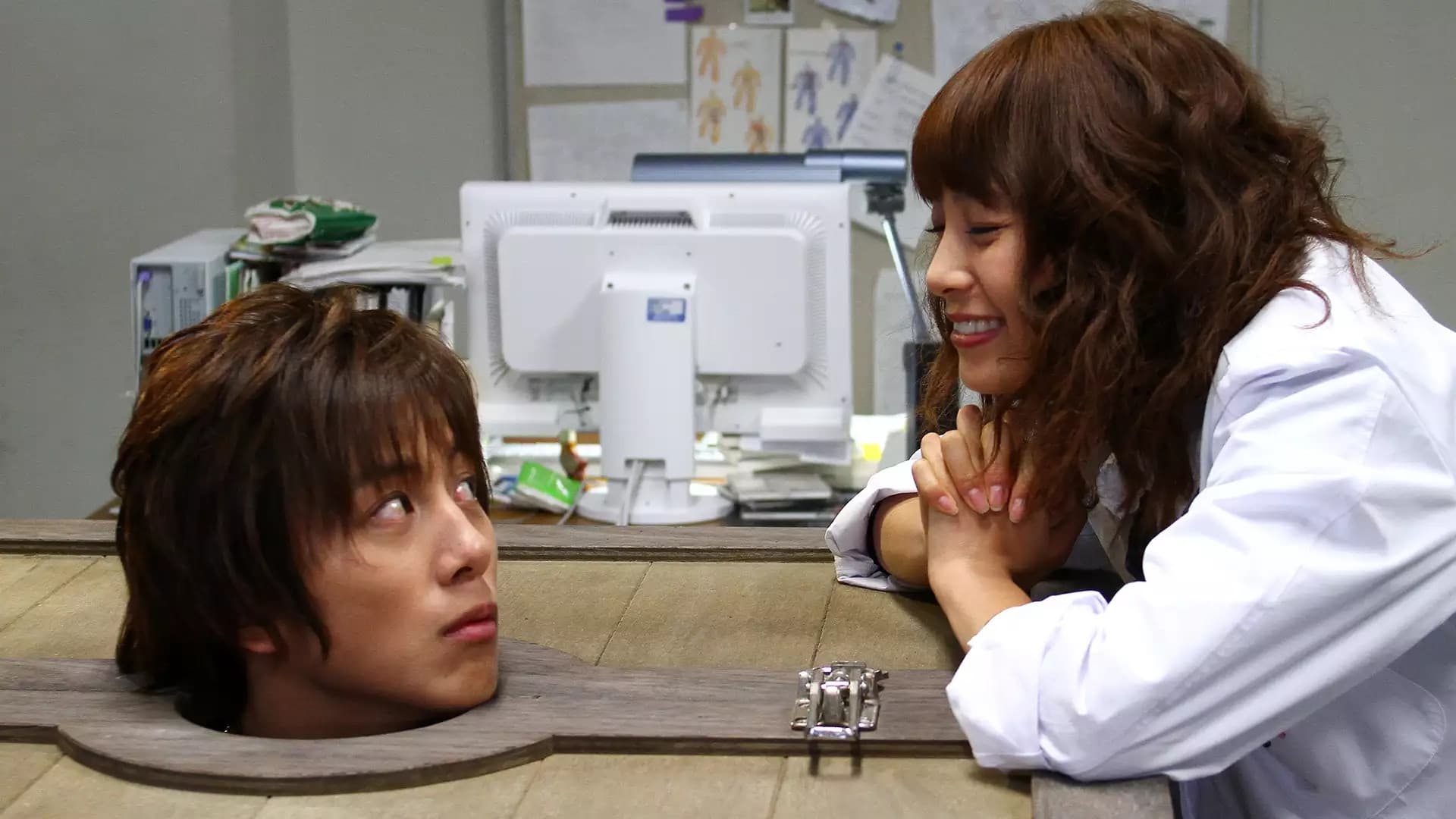
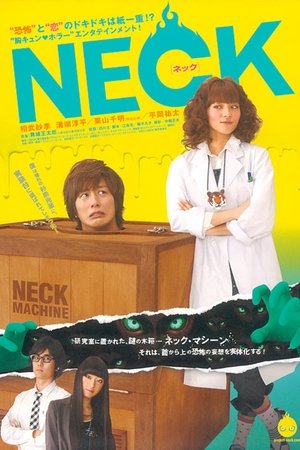


Tomokazu Shudo has his first ever crush on Sugina Mayama, a senior student. Tomokazu has troubles confessing his feelings to the popular student, but one day, he is invited to the research lab where Sugina Mayama works. Tomokazu hopes to use this meeting to express his true feelings for her. To Tomokazu's surprise, when he arrives he first sees a big wooden box in the middle of the dark lab. Sugina tells Tomokazu that he looks scared and then proceeds to push Tomokazu into the box!
New horror film "Pretty" is good to look at thanks to 19-year-old director Metecan Duren.
'Jungle Cruise' is fun if you can ignore the racism of the ride it’s based on and the film’s bland, stereotypical characters.
Nope succeeds tremendously in dealing with higher concepts in an engaging and highly entertaining manner without sacrificing theme or personality.
Despite this genre not being a new one, The Novice offers a fresh perspective with its study of performance anxiety
As one of the women said in the film, friendship in your teens is “as important as any lover” and it’s clear they lived that philosophy throughout their early adult lives as well.
The live-action remake of the classic Disney film based on a wooden puppet is finally here.