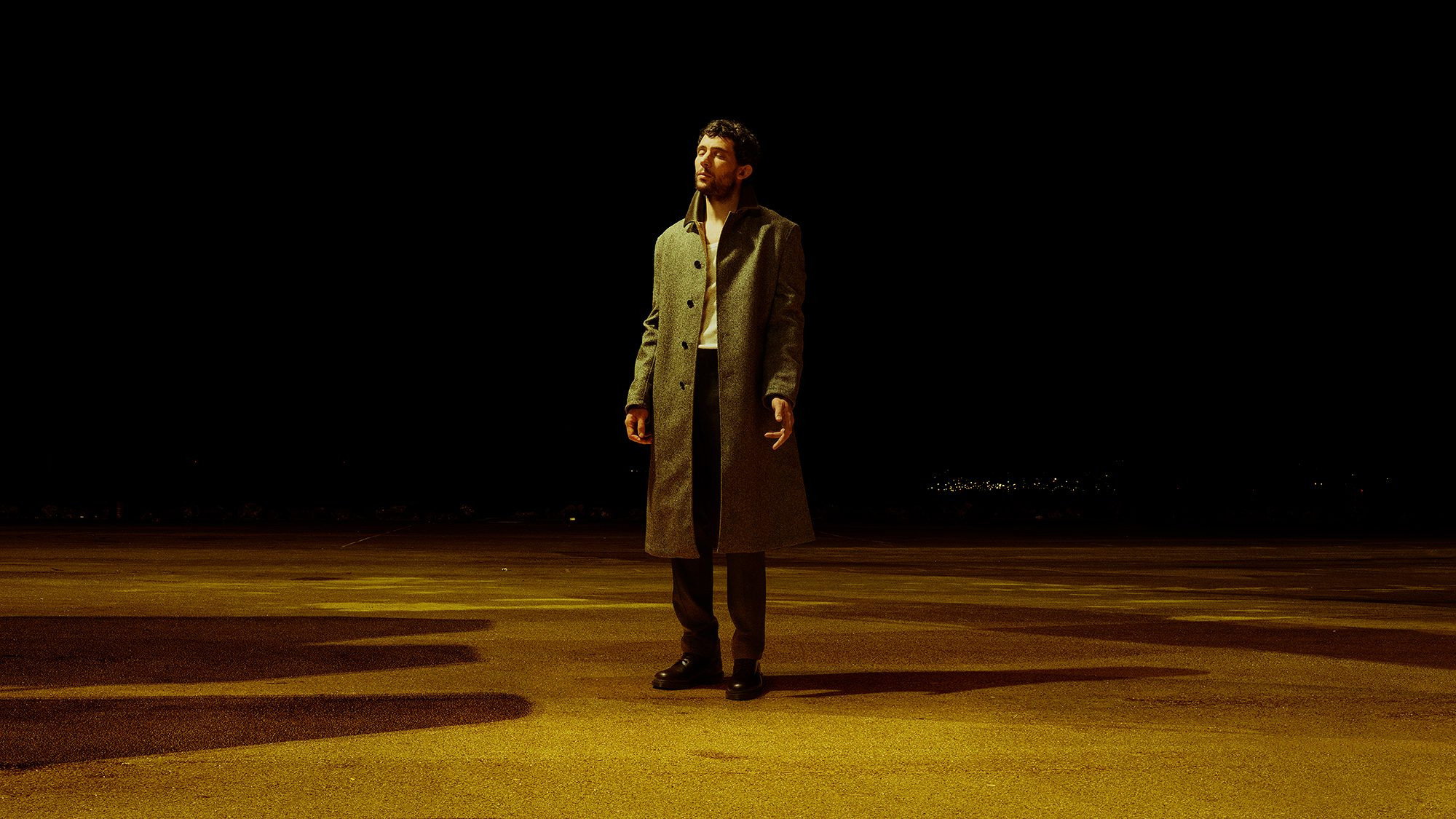

National Theatre Live: Golden Boy
1930s New York, at the height of the Depression. Joe Bonaparte is a gifted young violinist with extraordinary talent and a future in music, until a chance at fame and fortune lures him into the brutal world of professional boxing. Pressured by a ruthless manager, tempted by a forbidden love, and bound by the expectations of his Italian-American family, Joe is a young man torn between the seductive promise of the American Dream and the quiet honor of a decent life. He must confront what he’s willing to sacrifice, who he’s willing to become, and how to find his place in a world that demands he choose a side. Sam Yates directs Josh O'Connor in this searing revival of Clifford Odets' knockout American classic. Brought to life with a live string quartet, this propulsive drama explores ambition, identity, and the high price of success.

- / 5
PopScore
Representation
Pictures and Videos

Movie Information
1930s New York, at the height of the Depression. Joe Bonaparte is a gifted young violinist with extraordinary talent and a future in music, until a chance at fame and fortune lures him into the brutal world of professional boxing. Pressured by a ruthless manager, tempted by a forbidden love, and bound by the expectations of his Italian-American family, Joe is a young man torn between the seductive promise of the American Dream and the quiet honor of a decent life. He must confront what he’s willing to sacrifice, who he’s willing to become, and how to find his place in a world that demands he choose a side. Sam Yates directs Josh O'Connor in this searing revival of Clifford Odets' knockout American classic. Brought to life with a live string quartet, this propulsive drama explores ambition, identity, and the high price of success.
Rating:
Genre:Drama
Written By:Clifford Odets
In Theaters:
Box Office:
Runtime:
Studio:Almeida Theatre, National Theatre









Articles You May Like
"Fantastic Four: First Steps" (2025) Film Review-OMG...a Marvel movie to love again!
I have been a long-time fan of the Marvel Cinematic Universe ever since it made its official debut through 2008's absolutely excellent "Iron Man". The run continued, as did my associated fandom of the films, through the utterly EPIC 2019 finale "Avengers: Endgame".
"The Father" is a Depressing But Insightful Look at Dementia
With The Father, writer-director Florian Zeller- who wrote and developed the play upon which the film is based- pulls no punches as he confidently makes every effort to put the audience in the mind of someone whose grip on reality has all but vanished. It’s a dazzling testament to Zeller’s abilities as a director as he makes his first transition from stage to film appear as if he’s been working behind a camera his entire career. The dialogue he fashions with co-writer Christopher Hampton, along with the work of production designers Peter Francis and Cathy Featherstone, collectively makes the downward spiral of dementia startlingly tangible, doing so in a way that can be comprehended by everyone except the person it directly affects.
Visi-Bi-lity: It's Improving!
Films and TV series often tend to misrepresent or not acknowledge bisexual characters, but recent trends show that bi-erasure is now under deserved scrutiny. So, I’m genuinely happy about the direction bi-representation seems to be taking.
What 'Magnolia' Says About Childhood Trauma
Magnolia focuses on how one’s childhood and trauma relate to their confidence and self.
We're 'All Together Now' to Give a Hand
Can a homeless yet optimistic teenage girl learn to accept a helping hand?