Building "Herself" Back Up After Psychological & Physical Trauma
The film illustrates the life of a single who struggles to provide an ideal childhood for her two daughters.
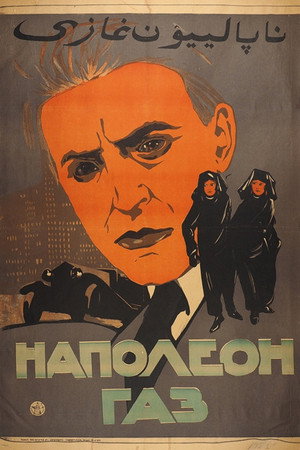


A squadron of American warplanes, armed with gas developed by Corsican chemist Gannimer (dubbed "Napoleon Gas") flies to Leningrad. American workers inform soviet comrades about the impending catastrophe. But the air attack on the city has already begun, and the assault troops of the enemy capture one suburb of the city after the other. The Red Army is organizing the defense and reflects the attack of the enemy with gas-armed drones
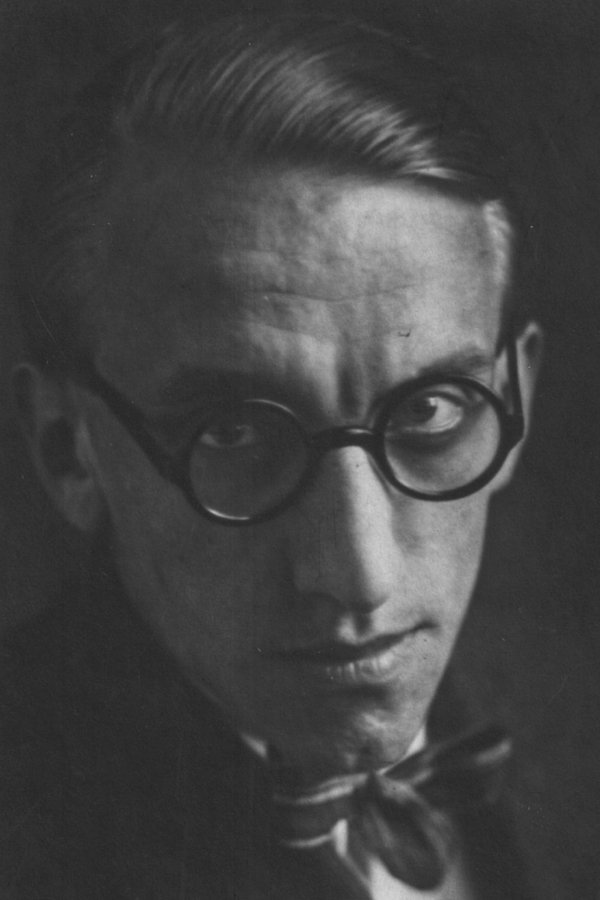
Semyon Timoshenko
Director

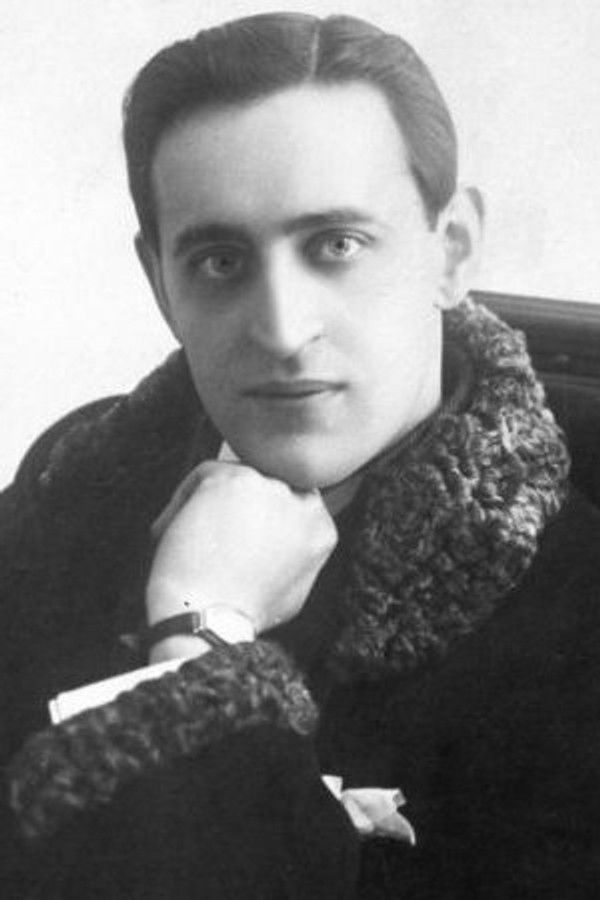
Yevgeni Boronikhin
Napoleon Ginimer, engineer-chemist
Yelena Chaika
Natalia Ivanovna, instructor
Roman Rubinshteyn
Jim Dugan, king of anilin

Iona Talanov
Minister of war
Petr Kuznetsov
Archbishop
Olga Spirova
Irma Grant, aviator
Nadezhda Fridlyand
Letrice Grant
Sergey Galich
Herbert Bell, worker
V. Lande
Ellie Forstet, worker
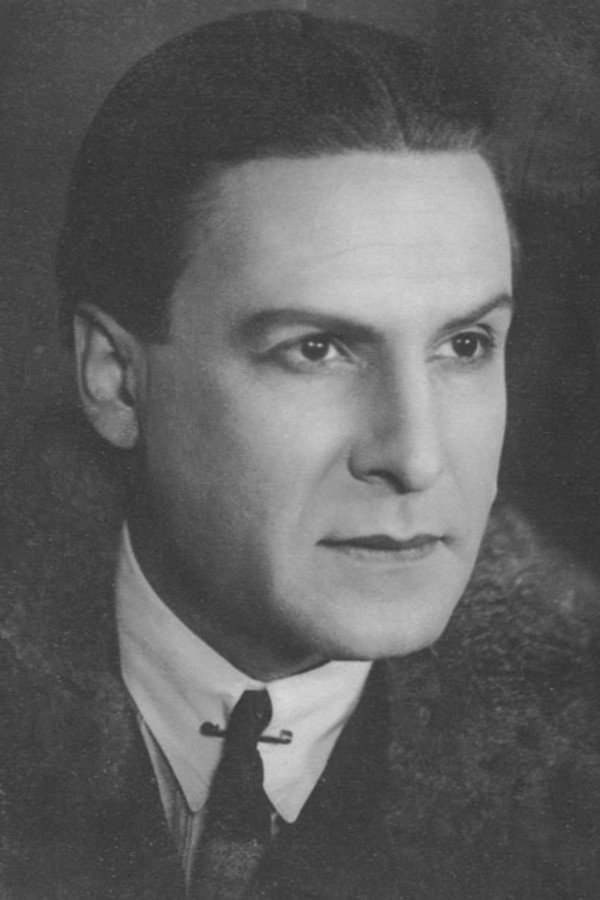
Pyotr Podvalniy
Chief engineer
Petr Shidlovsky
Commissar of defence of Leningrad
The film illustrates the life of a single who struggles to provide an ideal childhood for her two daughters.
The 1950s lesbian romance is stunning, emotional, restrained, and, simply put, one of the best movies I’ve ever seen depicting a woman-loving-woman (WLW) relationship.
Yes, "Nope" is definitely about the modern obsession with turning tragedy and horror into a spectacle for people’s enjoyment. But it's also about the power of looking, who has the right to look, and what happens to those who are looked upon.
The social issues The Half of it takes on are handled well, between the antagonization brought on to Ellie for her race and the conflict that arises from her being gay. Both aspects of her character are built up over the course of the film and don’t seem abrupt or rushed. The film shows racism towards Ellie and her and father in varying levels, from having her schoolmates specifically address her as "Chinese girl” to the fore mentioned way her Dad is treated due to language barriers. The same can be said about Ellie being a lesbian. While she never truly “comes out” in the narrative, that does not undermine her journey of self-discovery from being meaningful. These ideas aren’t thrust upon the viewer in a preachy manor, the scenarios that occur feel believable given the rural setting. The film presents watchers with problems whom those like Ellie may face, and leaves us to sit with them and reflect.
(Disclaimer: Harmful Language) In celebration of Pride Month, Father's Day, and father figures (and whoever supports you), I revisit Moonlight's brief but spectacular character, Juan. With overarching themes tied to masculinity, I reexamine his intimacy with Little.
Jordan Peele's turn to horror with "Get Out" isn't as unexpected as it may seem. He primed his fans for a disturbing and nuanced exploration of racism with his work on "Keanu" and "Key & Peele."