




Migration - Movie Review
This animated movie is based on the migration of birds from the north to the south.

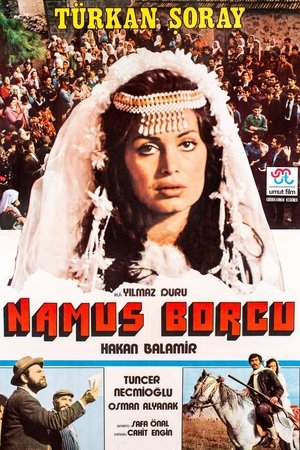


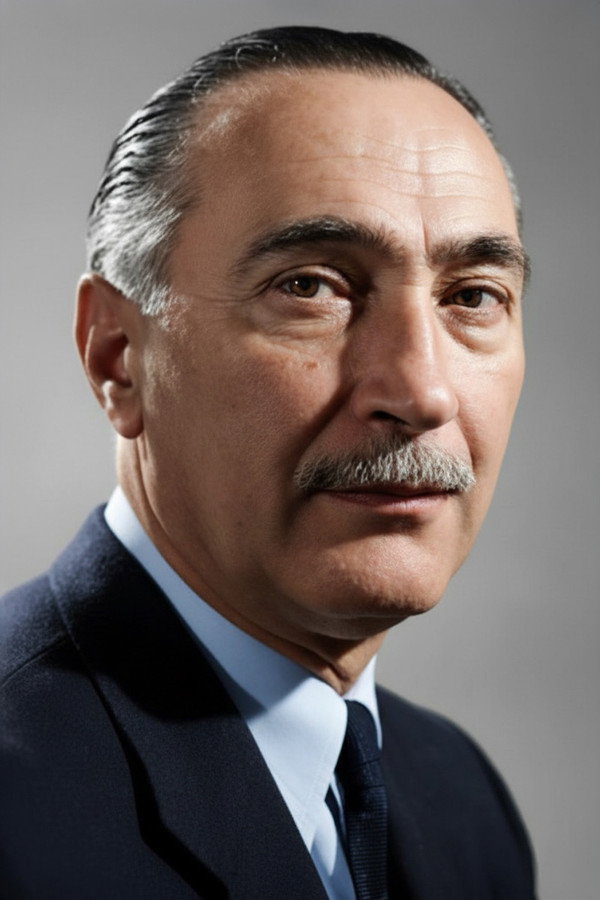
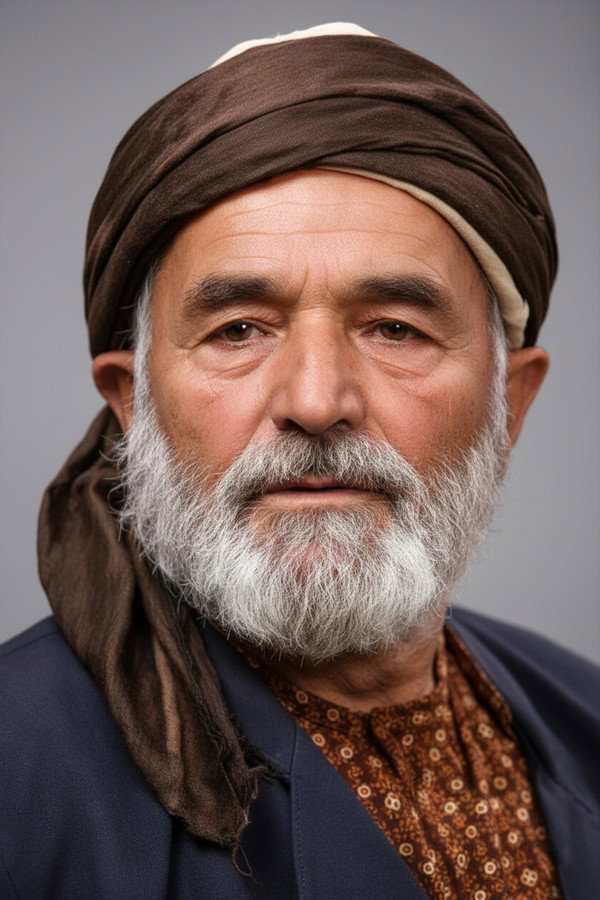
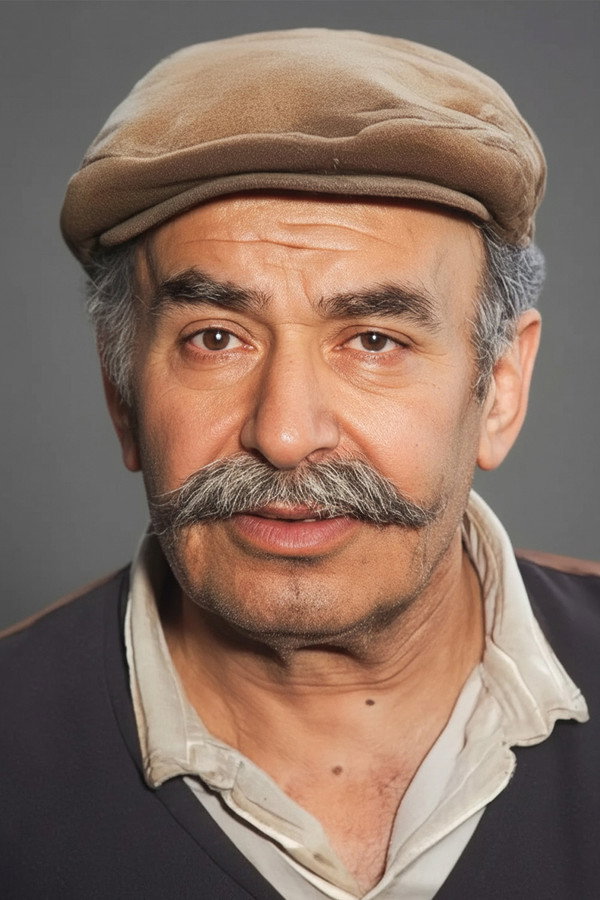
Gurbet works as a farmer with her father, Hüseyin Çavuş. She and Halil are in love with each other. Halil works as a laborer in the city to earn money to build a house and buy a field. Çılgan Ağa, who has taken over the fields of the villagers in the area by putting them into debt, is also in love with Gurbet. Çılgan gives Hüseyin Çavuş debts he cannot repay. By extending the repayment period and giving additional loans, he gains his trust. Hüseyin Çavuş falls ill and dies. To pay off her father's debt, Gurbet puts herself up for auction. She will marry the one who offers the most money. During the auction, Çılgan Ağa not only offers the highest amount but also promises to forgive all the villagers' debts. Unable to withstand the villagers' pressure, Gurbet agrees to marry Çılgan Ağa.
This animated movie is based on the migration of birds from the north to the south.
We, the Jane Austen aficionados, are suckers for everything and anything under the sun that’s remotely related to her and her world. That’s because we are so drawn to her unique style of fiction, romance, and social commentary, we take any allusion to her influence as a hint to what to expect when we start watching a movie or reading a book.
I understood post-memory as passing down stories and images of one’s experiences that are not your own. For decades, rape has been depicted in cinema through a third-person perspective, leaving the viewer to observe rape; not to experience it.
Paris is Burning elevated drag and ballroom into the public consciousness and permanently impacted LGBT culture. However, the performers featured in the documentary didn't reap the rewards of their visibility.
There’s enough evidence to insinuate that What We Do in the Shadows is intentionally queer-coded.
The film basically says she was a lost cause from the start. We don't get a sense of who Marilyn was.