

Willy Wonka
This fantasy musical movie is an origin story about the title character.
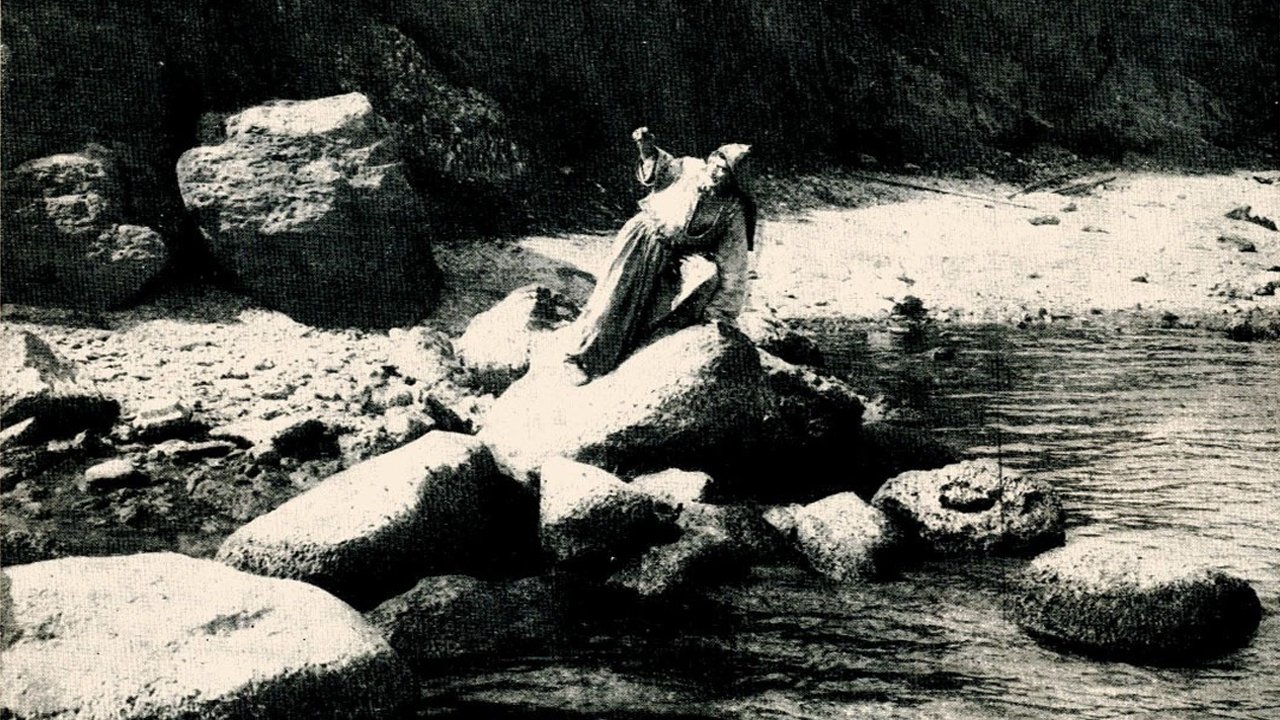
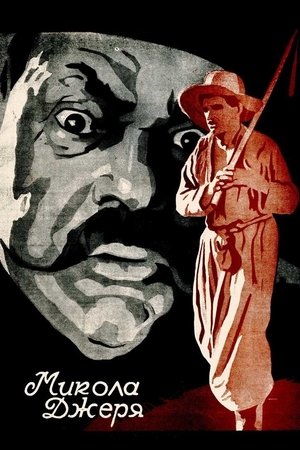


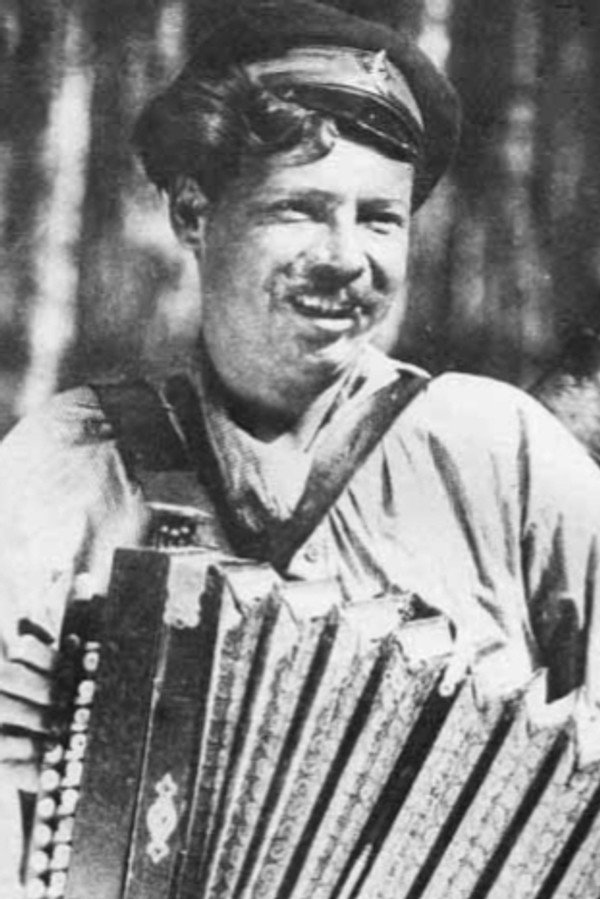
Freedom-loving Mykola Dzheria goes away from the village because of poverty and villainage. He leaves his senior parents, his young wife Nemydora and escapes to the sugar-mill. His friend dies because of slave work. Mykola goes to the Dniester reed beds. Working with other escapees, Mykola falls in love with the daughter of the cooperative leader. The girl also likes the handsome guy. However, their fate is decided by the landlord’s servants; they set the reed beds on fire, shackle Mykola and take him to Verbivka. The film was released on 01 April 1927 in Kyiv and on 24 May 1928 in Moscow. The film is lost.
This fantasy musical movie is an origin story about the title character.
The more biting satire is reserved for those on top of the power structure, such as the police, while those occupying lower levels are given more nuance and likability, even if they operate on the wrong side of the law. This principle gives Deep Cover its heart.
Standing up for what's right, she's met with miraculous results. She takes charge of her own destiny.
Unrelentingly funny, highly entertaining, and ridiculously absurd, My Movie Starring Paul Dano is, according to its creator, Joe Bartone, a tribute to the willful ignorance of independent filmmaking found in the late '70s in New York City. Developed through open discussions with the cast at the reading table, the mockumentary follows a delusional and fame-starved indie director, Herman Rumowicz, through the process of making his very first feature movie starring Paul Dano.
Amberley Snyder, a young woman whose injury leaves her with a disability, shows viewers that her handicapped state won't stop her from competition.
The Last Duel is about rape. Although the film delves into rape culture in medieval Europe, there are many striking similarities to modern rape culture.