


Baggage (2026): Surrealistic Visual Language and Confront the Past
Baggage’s experimental mixed formats visualized a woman’s brave inner journey of visiting the museum of her fragmented memories.
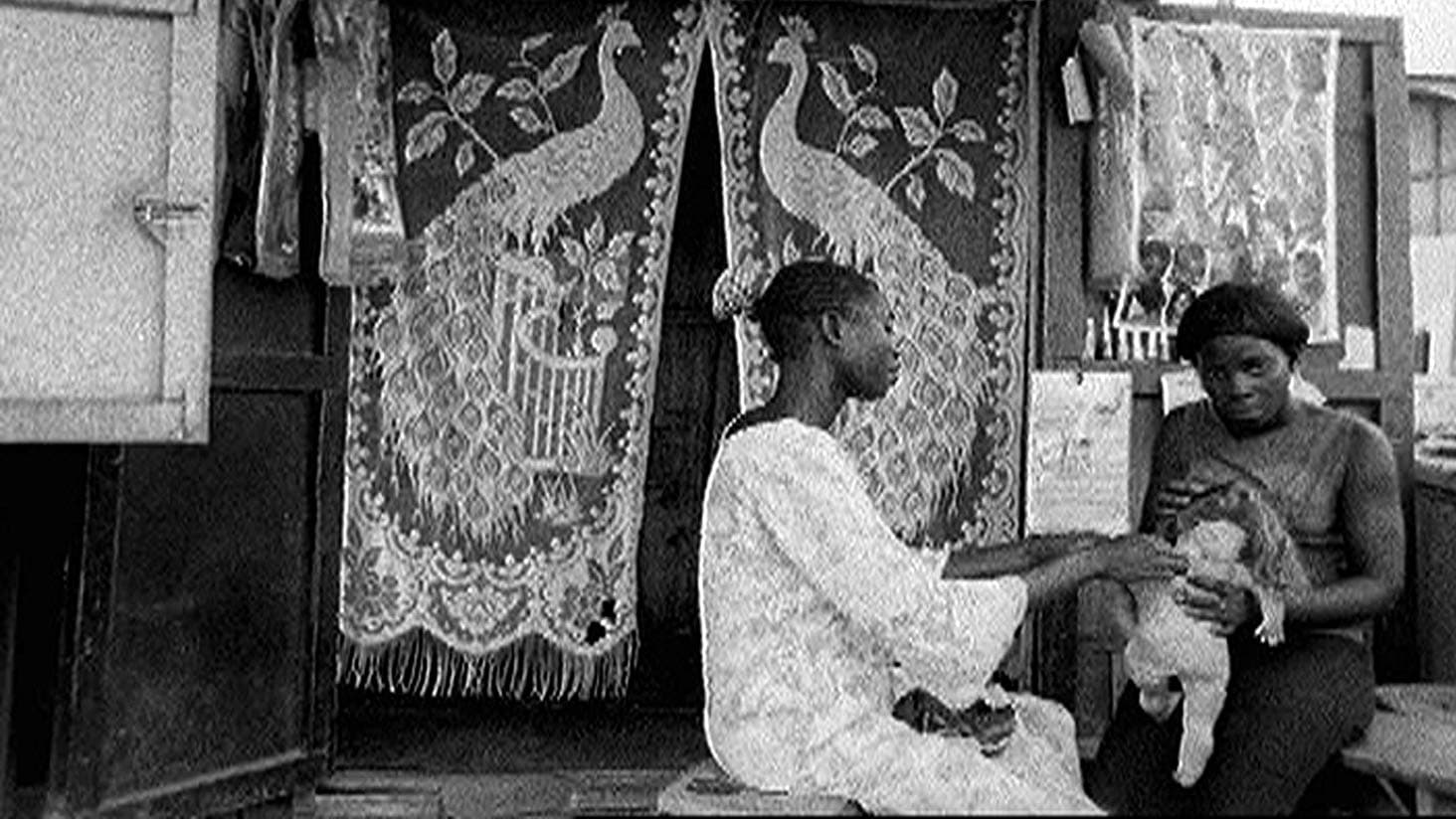
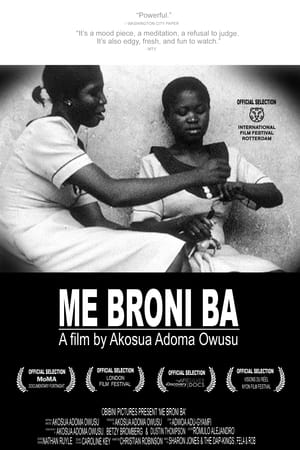


Me Broni Ba is a lyrical portrait of hair salons in Kumasi, Ghana. The tangled legacy of European colonialism in Africa is evoked through images of women practicing hair braiding on discarded white baby dolls from the West. The film unfolds through a series of vignettes, set against a child's story of migrating from Ghana to the United States. The film uncovers the meaning behind the Akan term of endearment, me broni ba, which means “my white baby.”
Baggage’s experimental mixed formats visualized a woman’s brave inner journey of visiting the museum of her fragmented memories.
If you remember the days of the 24 hour Overnight Challenge on YouTube, Secret Mall Apartment will tickle your nostalgia receptors.
Seeing that the film was essentially his first big, mainstream feature, and with garnering a leading role — portraying the revolutionary ball-player Jackie Robinson — Boseman, without question, delivered a performance that is still so incredibly moving, respectful, genuine, and true to the core of his obviously sincere, artistic heart; and with that, it is indeed so saddening to see him pass.
Wacky antics ensue when a 100-year-old Jewish man wakes up from a pickled hibernation in the modern world.
The differences in these films could not be more blatant, and yet Gus Van Sant has found a way to portray the same messages and use the same techniques in each.
James Cameron’s The Terminator (1984) marks the beginning of a wonderful two-part arc, brimming with style and substance. The film follows Sarah Connor, a waitress living in Los Angeles. One night, a cybernetic organism (Arnold Schwarzenegger) is sent back in time to kill Sarah. A human resistance fighter (Michael Biehn) is also sent back in time, with the intent of saving Sarah from this deadly foe.