
Wanda Maximoff: The Hero We Deserve, Not The Villain We Need
If the message here is that without a support system, grieving people turn into monsters, it’s not really well-delivered and may be flawed as a message itself.
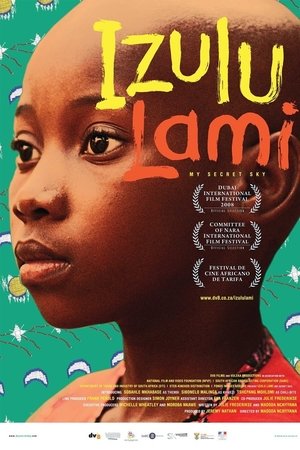


Two orphaned rural siblings find themselves in the big city of Durban in search for a priest who could be the key to their new lives.
If the message here is that without a support system, grieving people turn into monsters, it’s not really well-delivered and may be flawed as a message itself.
Juneteenth is a day to commemorate the emancipation of enslaved people in the United States on June 19th, 1865. We did it! Everyone is free! Everyone is equal! End of story, right?
Overall, Lee Cronin’s The Mummy is plagued by numerous flaws, both from a quality and from a diversity standpoint. The film relies on gore and loud sounds to drown out its flat script, flatter dialogue, and one-dimensional characters.
"Boston Strangler" pulls the curtain back on a well-documented historical moment involving significant contributions from women reporters.
The Rocky Horror Picture Show not only supported Tim curry queer individuals who were closeted or harassed. It made people question their identity, orientation, and lifestyles that they never had before.
This coming-of-age movie based on the 1970 book by Judy Blume gives viewers a scope on female topics in the quest for a religious identity.