
XO, Kitty: The Spin-Off Based on "To All The Boys"
This spin-off series follows the adventures of Kitty Covey, Lara Jean's younger sister from the "To All the Boys" film franchise.
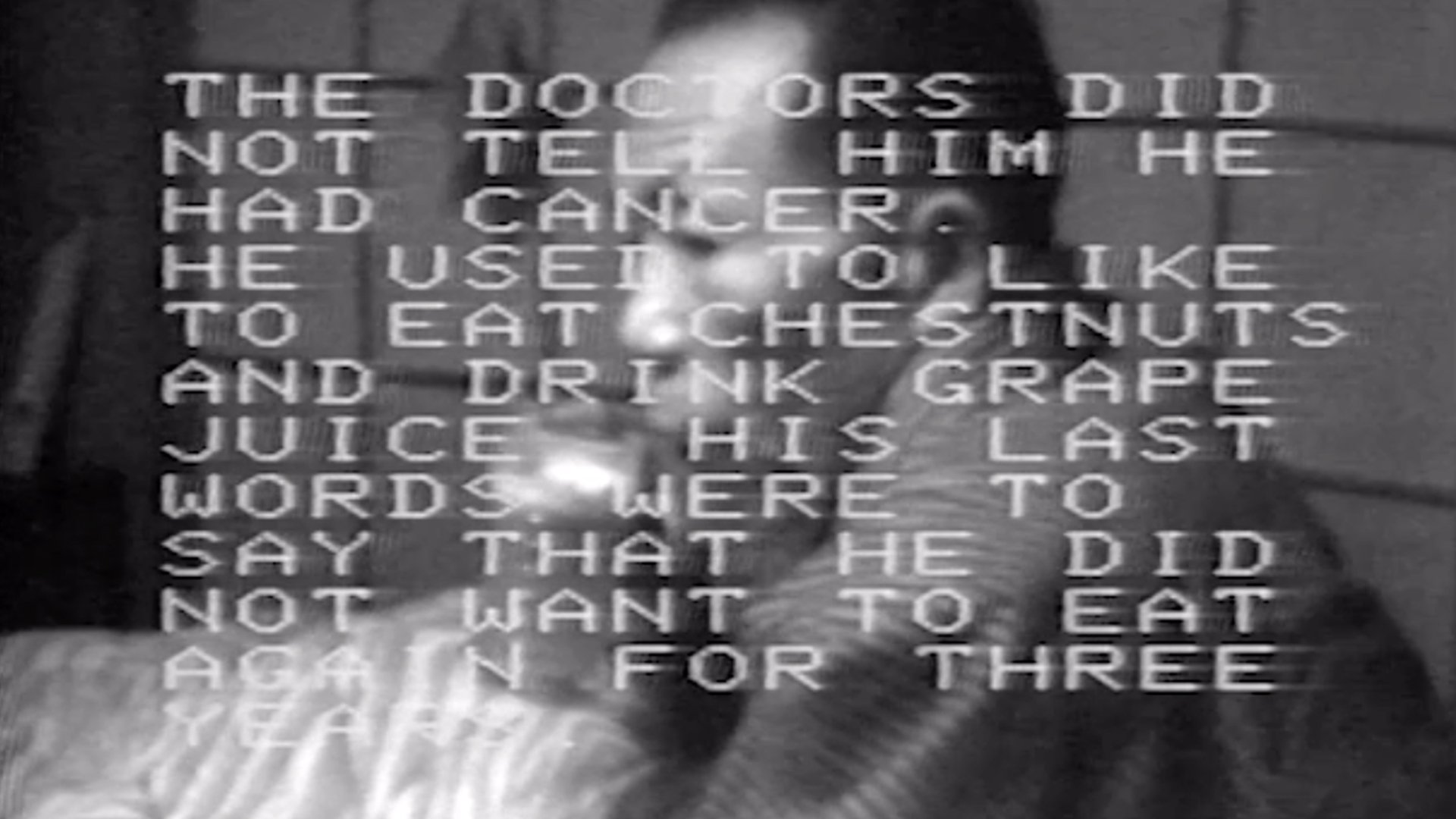


"Father, why did you die?" With this deeply intimate statement of grief, Kubota mourns the death of her father. Video and television are central to her ritual of mourning, and allow her father to assume a presence after death. Kubota and her father, who was dying of cancer in Japan, are seen watching television together on New Year's Eve. The suffering of father and daughter is rendered even more poignant when contrasted with the everyday banality of the pop music and New Year's celebrations on TV. After his death, Kubota weeps alone in front of a video monitor. Awash with tears and personal pain, My Father is a cathartic exorcism of grief, with video serving as witness and memory.
This spin-off series follows the adventures of Kitty Covey, Lara Jean's younger sister from the "To All the Boys" film franchise.
“Unsung” does not begin to describe the obscurity Bayard Rustin endured in the shadows of the Civil Rights Movement
With The Father, writer-director Florian Zeller- who wrote and developed the play upon which the film is based- pulls no punches as he confidently makes every effort to put the audience in the mind of someone whose grip on reality has all but vanished. It’s a dazzling testament to Zeller’s abilities as a director as he makes his first transition from stage to film appear as if he’s been working behind a camera his entire career. The dialogue he fashions with co-writer Christopher Hampton, along with the work of production designers Peter Francis and Cathy Featherstone, collectively makes the downward spiral of dementia startlingly tangible, doing so in a way that can be comprehended by everyone except the person it directly affects.
A sweet slice-of-life anime that visualizes all the ways we creatively hide our vulnerabilities from the world.
Presenting a bold and unapologetic narrative focused on strong Muslim female characters, the show beautifully incorporates punk rock as a feminist movement in their lives.
The relationship between Will and Sean is the best part of the movie. It’s always a delight to see Robin Williams on screen