






“Artemis Fowl” is Simply Foul
The definition of the word foul is “offensive to the senses,” which is a pretty good summation of the new Disney+ film, Artemis Fowl

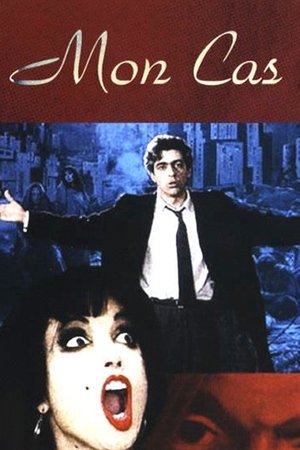


Manoel de Oliveira plays his film in three stages: the first part - a play, the second can be roughly defined as a silent film (with the behind the scenes read excerpts from Beckett works), but in the end the director brilliantly performs the same material of the avant-garde exercise. Surprisingly, a joke, repeated three times, each time everything sounds fresh and develops into an almost verbatim adaptation of the biblical "Book of Job" - a spectacular point in a parable about how hard to empathize with other people's misery, when you have your own.
The definition of the word foul is “offensive to the senses,” which is a pretty good summation of the new Disney+ film, Artemis Fowl
If you’re looking for an engaging female-led film that touches on the genres of action, drama, and thriller, look no further than Le-Van Kiet’s "Furie".
"Well, the film industry is completely sexist and completely class-biased." A closer look at Lynne Ramsay's impressive body of work.
The sequel to the first film, A Second Chance: Rivals! talks about Maddy combating cyberbullying and racism.
We can criticize depictions from old media, but they weren’t simply “good for their time”. They were fighting and struggling in a world we can’t imagine.
As a whole, Sightless pushed boundaries between illusion and reality. It made viewers question if there really is a difference. Ellen was strong, brave, and even compassionate given her situation. She was a force to be reckoned with.