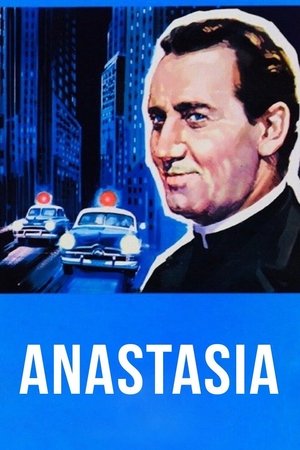
My Brother Anastasia
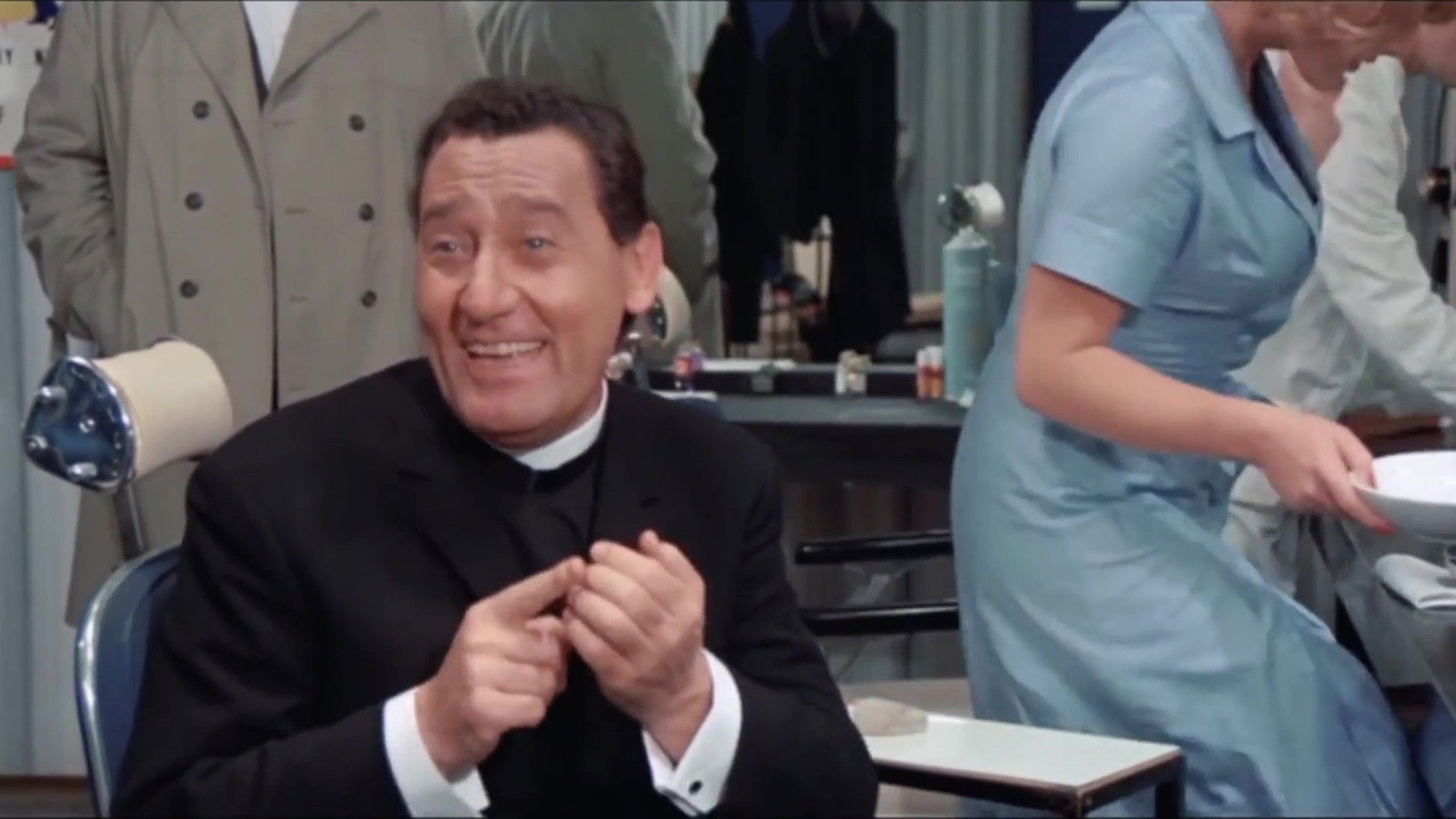
Don Salvatore Anastasia, a priest in a seminary in Tropea, Calabria (Italy), gets a ticket to visit his brother in New York. He has never known him, because the brother emigrated illegally in the U.S.A. years before. Upon his arrival in America, he is greeted with much respect, as well as his brother, also from the Italian-American community of Little Italy. Enthusiastic of that, he decided to stay on as assistant pastor in the church of Saint Lucia and bring it to a new shine. Accompanied in New York, his last name, Anastasia, commands respect and, above all, opens the door hitherto locked: his brother, really, is the infamous mob boss Albert Anastasia.

- / 5
PopScore
Representation
Pictures and Videos

Movie Information
Don Salvatore Anastasia, a priest in a seminary in Tropea, Calabria (Italy), gets a ticket to visit his brother in New York. He has never known him, because the brother emigrated illegally in the U.S.A. years before. Upon his arrival in America, he is greeted with much respect, as well as his brother, also from the Italian-American community of Little Italy. Enthusiastic of that, he decided to stay on as assistant pastor in the church of Saint Lucia and bring it to a new shine. Accompanied in New York, his last name, Anastasia, commands respect and, above all, opens the door hitherto locked: his brother, really, is the infamous mob boss Albert Anastasia.
Rating:
Genre:Comedy, Crime
Written By:Sergio Amidei, Alberto Sordi
In Theaters:
Box Office:
Runtime:87 minutes
Studio:Documento Film





Articles You May Like
It’s a bird, it’s a plane…it’s Harriet!
This is not a slavery story, it is a freedom story. The viewers only see Harriet as a slave for the first few minutes of the film. To me, it felt like watching the origin story of a superhero…which is both good and bad.
'Dune' Disappoints
Dune has stunning visuals, a striking soundtrack, and great performances. But it has issues everywhere from its pacing, to its story, to its diverse representation.
'The Resort': Five Perfect Minutes and Countless Missed Opportunities
The Resort has an excellent climax surrounded by disappointments. Somehow, at a mere 75 minutes, this movie still manages to be 70 minutes too long.
Jane Austen Wrecked My Life (2025) and Wasted My Time
We, the Jane Austen aficionados, are suckers for everything and anything under the sun that’s remotely related to her and her world. That’s because we are so drawn to her unique style of fiction, romance, and social commentary, we take any allusion to her influence as a hint to what to expect when we start watching a movie or reading a book.
Dune (2021): An Islam-Inspired Theme With Powerful Aesthetics, but Reminiscent of Lynch
Villeneuve’s Dune is a masterpiece for its crafting process, but references to David Lynch's picture are sometimes too obvious.