"Queen & Slim" Needs a Trim
Queen & Slim is a nice example of representation in both cast and crew




A story about how Kuboshima Seiichiro overcomes various difficulties to open Mugonkan, an art museum in Ueda City, Nagano Prefecture, featuring artworks by students before they were sent to fight in WWII.

Gekidan Hitori
Director

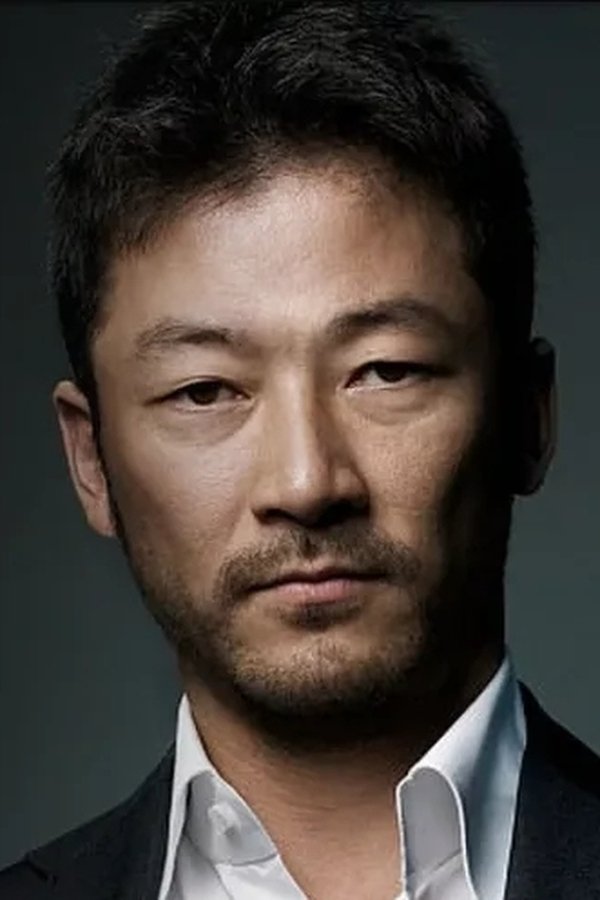
Tadanobu Asano
Kuboshima Seiichiro

Akira Terao
Nomiyama Gyouji

Rikako Yagi
Yukie (Young)

Yasuo Daichi
Hidaka Toshinori

Takashi Sasano
Izawa Tamisuke
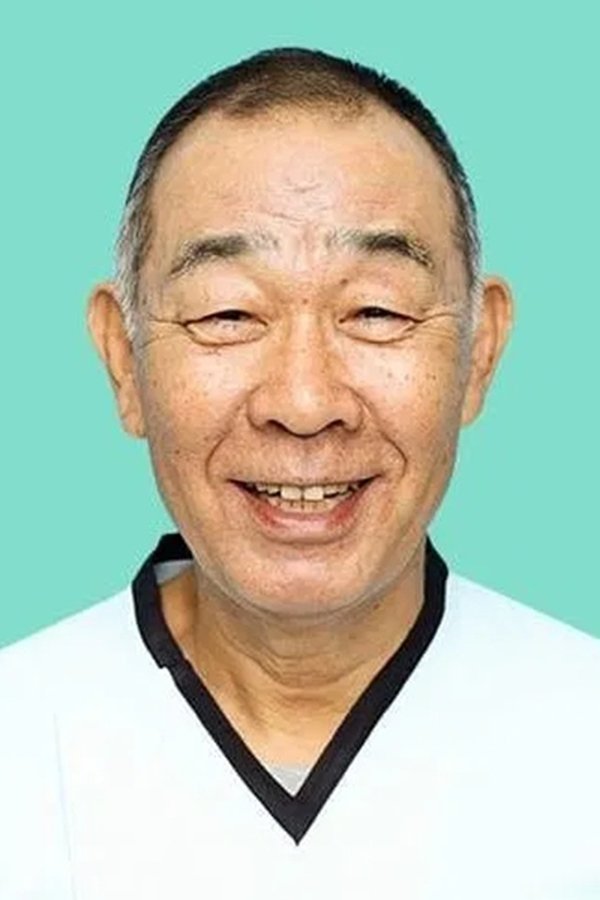
Denden
Shiino Chikara

Saori Yuki
Sakuma Shizuko

Sarutoki Minagawa
Maruyama

Toshie Negishi
Shiino Yasuko
Yukiko Yoshino
Shiino Hideko

Asuka Kataoka
Housewife
Queen & Slim is a nice example of representation in both cast and crew
These confines won’t really encourage you to read the film as a metaphor for the nerve-inducing experience we’ve all been through over the last year, however — and in the interest of maintaining your dignity, you probably shouldn’t. While the sociopolitical commentary may have worked for the similarly-themed Buried (2010), in which we find Ryan Reynolds on his own buried alive in the Middle East, but this futuristic take on the premise is best left as a piece of distracting entertainment. Nevertheless, the atmosphere is no less suffocating, literally and dramatically.
Darren Aronofsky’s Caught Stealing is a gritty, darkly funny thrill ride through 1998 New York, with Austin Butler delivering a raw, magnetic turn as Hank Thompson—a washed-up ex-ballplayer turned bartender whose life implodes after cat-sitting for his punk neighbor drags him into a violent underworld of gangsters, crooked cops, and chaos. Brutal yet unexpectedly hilarious, the film blends noir grit with midnight-movie absurdity, proving Aronofsky can reinvent himself while Butler cements his status as a true movie star.
Sorry to Bother You ultimately speaks to the unfair advantages that the country’s power structures award to those with the resources to control others, as Lift’s easy access to the media allows his opinion to be the only one that matters in the eyes of the unsuspecting and easily impressed public. Moreover, it reveals the extent to which the American Dream has any true validity. It postulates how the promise of success and fulfillment as promoted by the American Dream more often than not leads to the undoing of the individual. Interestingly, in its revealing of the American Dream as merely a facade, Sorry to Bother You wisely questions whether or not anything can really be done to undo a system that has been accepted and in action for centuries.
Izzy and Prince Thomas learn that taking control of their own destiny requires following their hearts and making their own decisions.
What happens to an inseparable bond when love for competing morphs into competing for love?