‘West Side Story’ (2021) Improves on and Is Limited by the Original
Steven Spielberg's West Side Story (2021) improves on the original's terrible representation, poorly written romance, and more. --> check out reviews & film summary

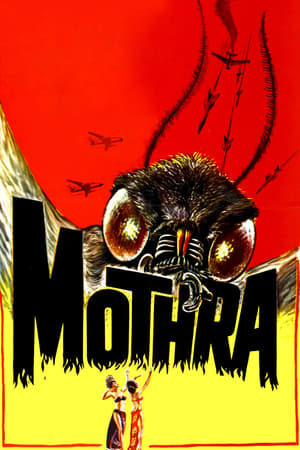


Between 1956 and 1961, Toho made a bevy of monster movies in an attempt to recapture the success they had with Godzilla in 1954. This culminated in Mothra, which became the most successful of those attempts. The kaiju became both a supporting character in the Godzilla series as well as the star of her own trilogy in the late 1990s. Mothra thus became the only other Toho monster besides Godzilla to star in her own sequels. But the question remains, sixty-five years later, does the original film still hold up?
The strongest element of the original Mothra is definitely its imaginativeness. A female kaiju who goes through metamorphosis, tiny fairies that sing and speak in code, vampire plants, the Mothra symbol, atomic heat rays employed by Japanese self-defense forces, this film is loaded with cool concepts that stick in your mind long after you’ve seen the film. It’s no stretch of the imagination to say that Mothra probably has the most in-depth lore of any giant monster, something explored further in films like Godzilla and Mothra: Battle for Earth and Rebirth of Mothra.
But Mothra hosts other positive attributes, most notably its soundtrack. Surprisingly, this is not Godzilla composer Akira Ifukube at the helm, but instead Yuji Koseki. His music isn’t necessarily as iconic as that of Ifukube, but it is absolutely gorgeous, creating a mysterious and lush atmosphere that isn’t found in Mothra’s contemporaries. The Mothra song is probably the best piece of music in Toho’s entire sci-fi catalogue.
The special effects have mostly aged. Some less than others, like the puppet for Mothra’s larva form, which looks about as lifelike as you could possibly expect for 1961. The puppet for Mothra’s adult form moves perfectly, but its fuzziness and giant eyes make it a little goofy by today’s standards. The miniatures in the film are not perfect, but they’re decently convincing, and the tactile nature ofpractical effects is appealing. The bluescreen is probably the most dated part of the film, there’s no excuses for it, but it doesn’t ruin the film by any means.
The political nature of the film is heavily mixed. From an American perspective, this film is highly diverse, mostly featuring a Japanese cast. But there’s only so much you can credit a Japanese movie for having Japanese people in it. The film also features a fictional indigenous South Pacific people. By today’s standards, their portrayal is extremely inappropriate, with darker skin tone painted on, reminiscent of blackface. But for a country that had set out to conquer the Pacific twenty years prior, the depiction of the fictional Infant Islanders is surprisingly compassionate, portraying them as the innocent victims of Western imperialism who have a religion that actually turns out to be true. The Western imperialism in question comes from the fictional nation of Rosilica, a very obvious stand-in for the United States of America, with elements of Russia thrown in. The movie is unsubtly resentful towards the States, but moreso against the capitalistic nature of America’s elite class than the nation as a whole.

Shipwreck survivors found on the presumably uninhabited Infant Island leads to a scientific expedition that discovers a surviving native population along with the Shobijin, tiny twin fairy priestesses of the island's mythical deity called Mothra. After the fairies are kidnapped by an exploitative businessman named Clark Nelson, Mothra sets out to rescue them.
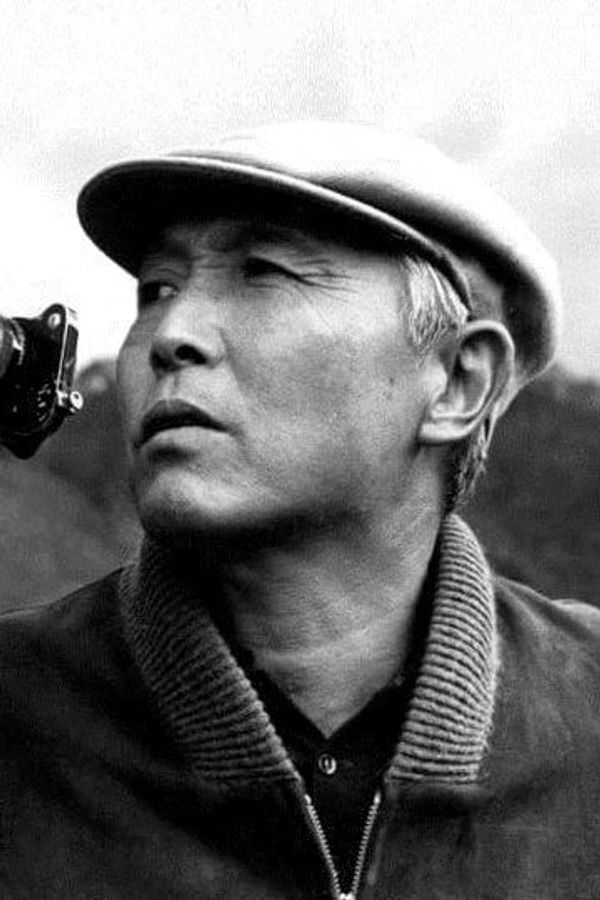
Ishirō Honda
Director


Frankie Sakai
Senichiro 'Sen-chan' Fukuda

Hiroshi Koizumi
Dr. Shin'ichi Chûjô
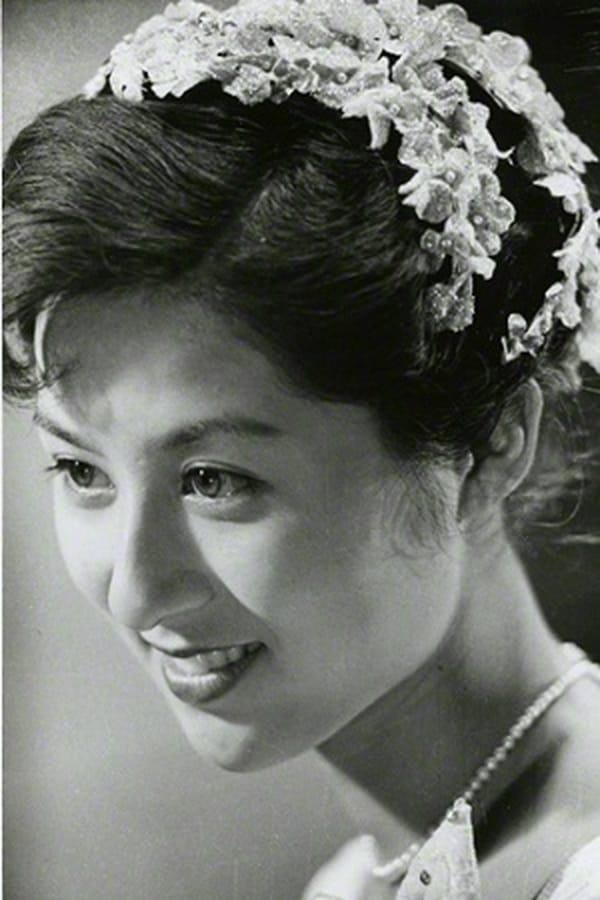
Kyōko Kagawa
Michi Hanamura
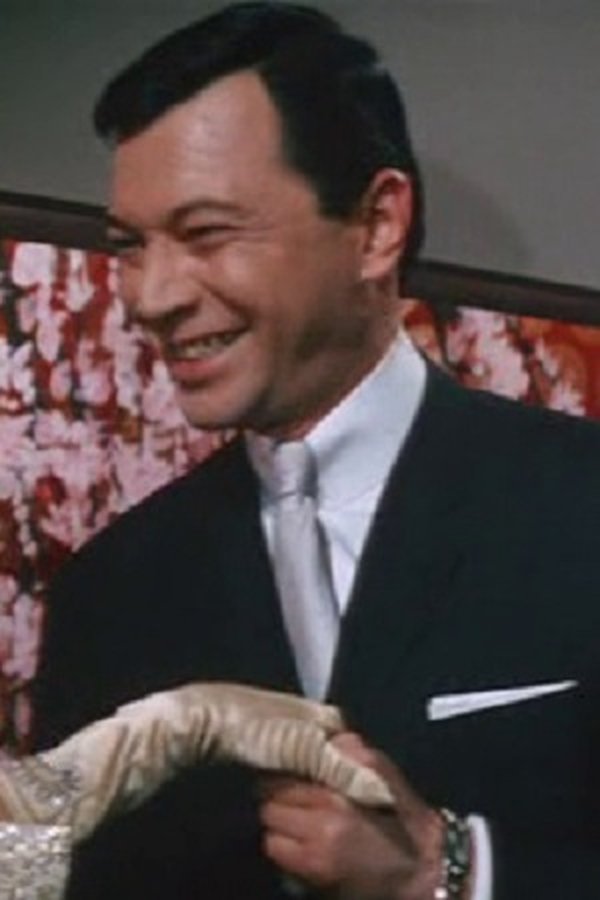
Jerry Itō
Clark Nelson

Ken Uehara
Dr. Harada

Emi Ito
Shobijin (Twin Fairy)
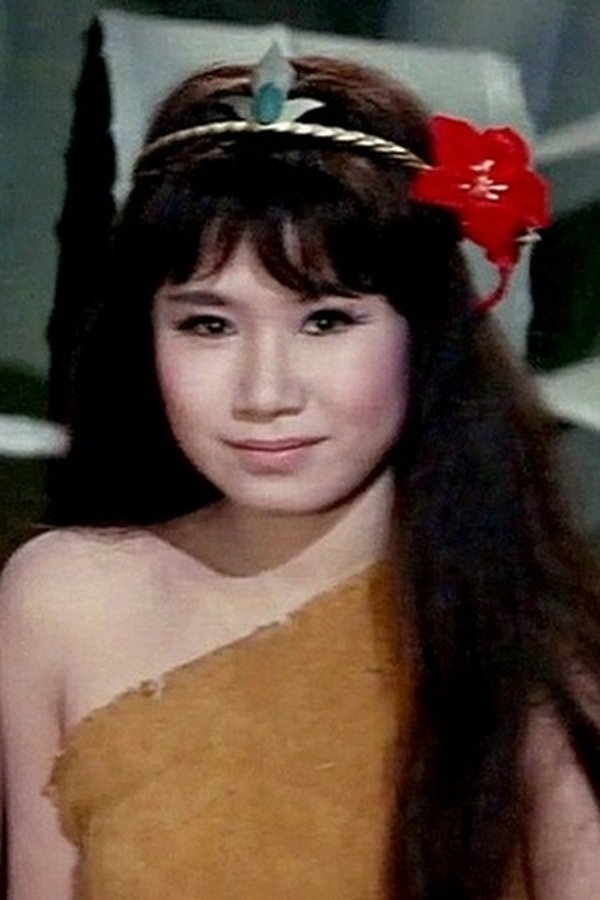
Yumi Ito
Shobijin (Twin Fairy)
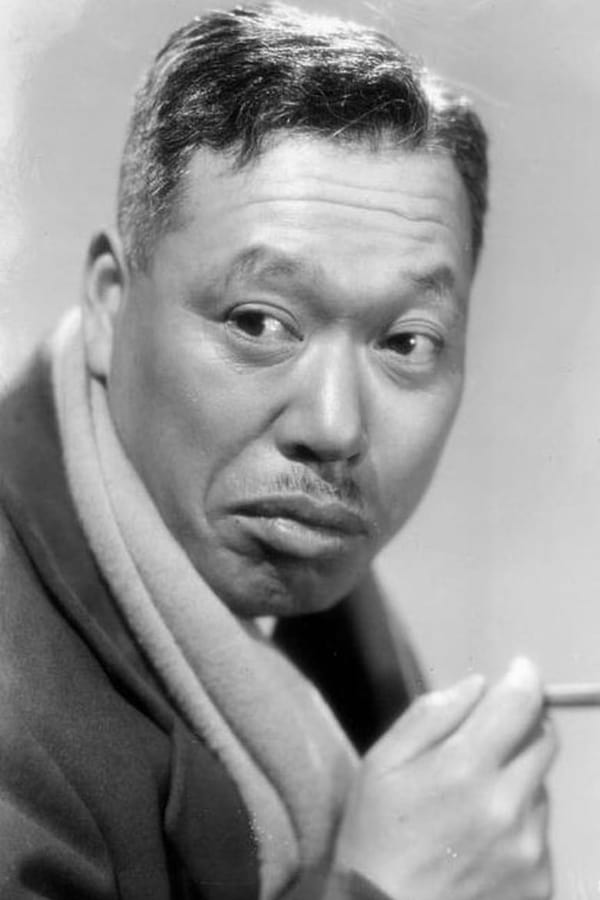
Takashi Shimura
News Editor
Akihiro Tayama
Shinji Chûjô
Akihiko Hirata
Doctor
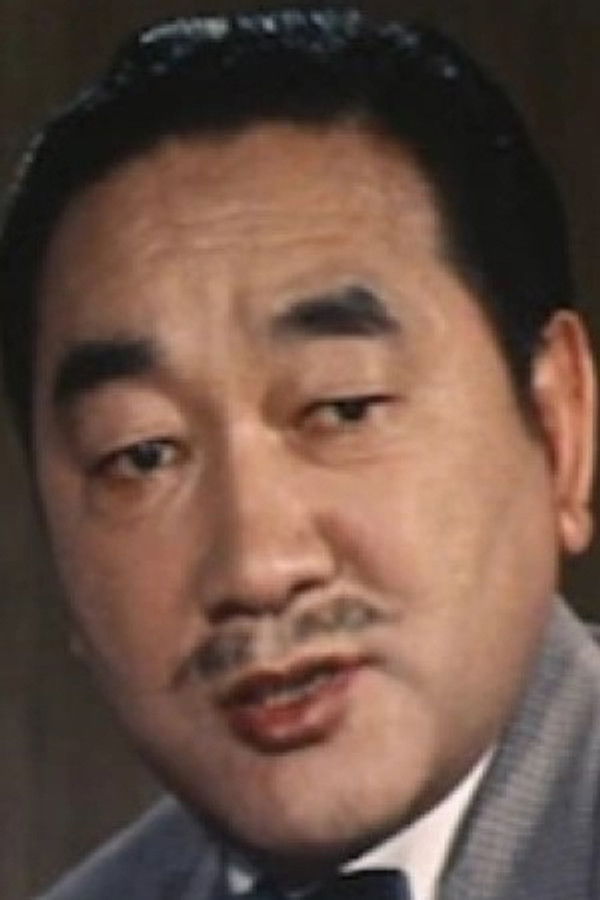
Tetsu Nakamura
Nelson's Henchman
Steven Spielberg's West Side Story (2021) improves on the original's terrible representation, poorly written romance, and more. --> check out reviews & film summary
If you were to watch it on streaming when you have nothing to do, it’s still probably a giant waste of time, but you could do far worse. Paying $18 for a movie ticket and who knows how much for concessions turns this from an exercise in boredom to an exercise in frustration.
Carolina Caroline follows Caroline (Samara Weaving), a bored young woman dreaming of escaping a small Texas town where nothing ever happens. When she meets Oliver (Kyle Gallner) at her workplace while he is conning the owner, she sees her perfect opportunity to get out. Their whirlwind romance strongly echoes Bonnie and Clyde, as the two quickly embark on a bank-robbing spree.
Falling in love with 'Rocketman" all over again.
"Rodgers' & Hammerstein's Cinderella" wasn’t just a fairytale, it's a Black girl's fairytale. It was a fantasy world where the undeniable beauty of Black girls and Women was celebrated and beloved.