
Dead Poets Society Steals a Queer Story
Dead Poets Society relies on patriarchal tropes such as overbearing fathers, contrived brotherhood, and faux-individuality in order to portray its straight white male characters as oppressed.
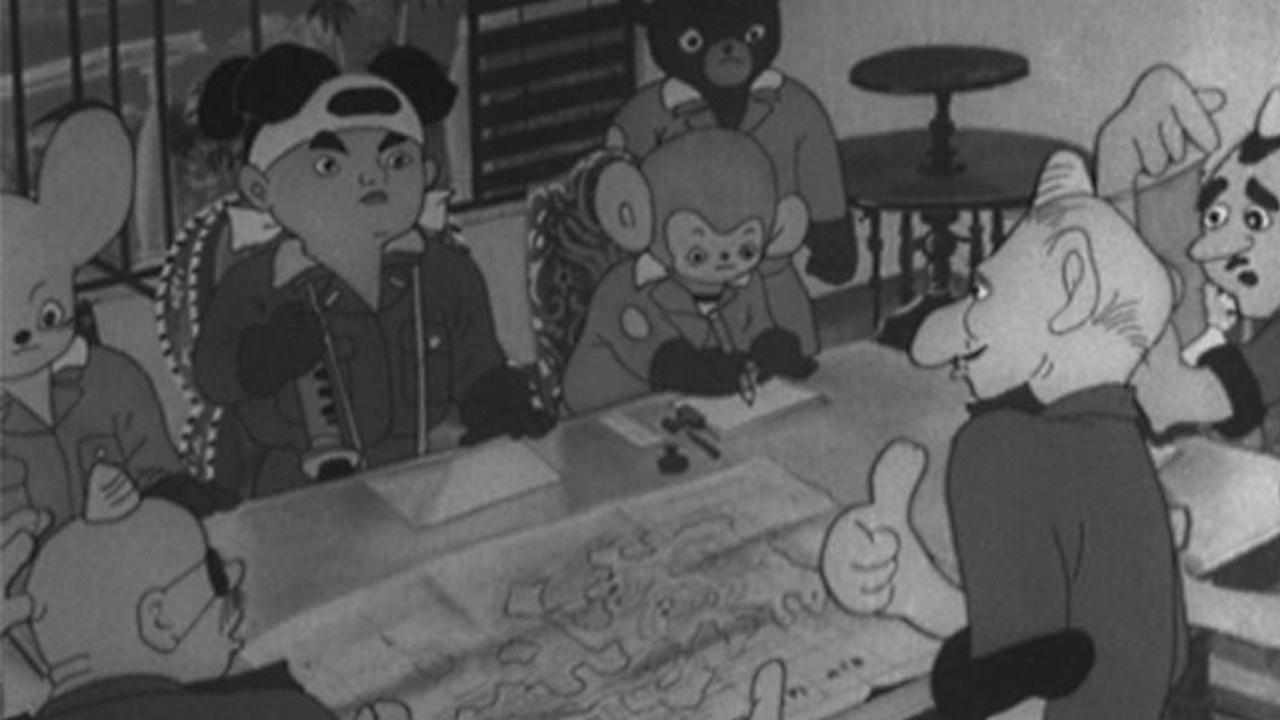
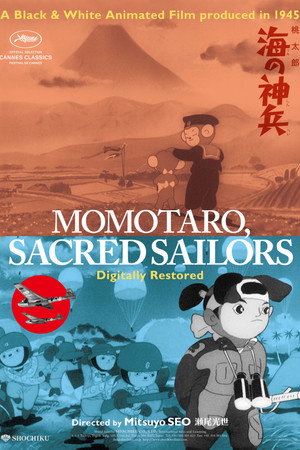


The first Japanese feature-length animated film. It was directed by Mitsuyo Seo, who was ordered to make a propaganda film for the war by the Japanese Naval Ministry. Shochiku Moving Picture Laboratory shot the 74-minute film in 1944 and screened it on April 12, 1945. It is a sequel to Momotarō no Umiwashi, a 37-minute film released in 1943 by the same director. It is black and white. The whole movie also depicts the Japanese "liberation of Asia", as proclaimed by the Government at the time. Seo tried to give dreams to children, as well as to instill the hope for peace, with hidden movie's hints of dreams and hopes, under the appearance of war propaganda.
Dead Poets Society relies on patriarchal tropes such as overbearing fathers, contrived brotherhood, and faux-individuality in order to portray its straight white male characters as oppressed.
A family adventure film that features Hawaiian culture with a representative director and a diverse cast.
As one of the women said in the film, friendship in your teens is “as important as any lover” and it’s clear they lived that philosophy throughout their early adult lives as well.
Omaha reminds us of what it can feel like to look at old family photographs. You sit with the bittersweetness, allowing it to wash over you; not drowning in it, but certainly affected by it.
By depicting 4 different stories, Director Sergio Tovar Velarde keeps the focus on the shared humanity and search for love (both self and romantic) of various gay Mexican men.
This Netflix series is a remake based on the book series of the same name with a more diverse main cast.