The precarious representations in One Battle After Another
A bumpy journey about revolution and family makes us feel fear, disgust, humor, and satisfaction.
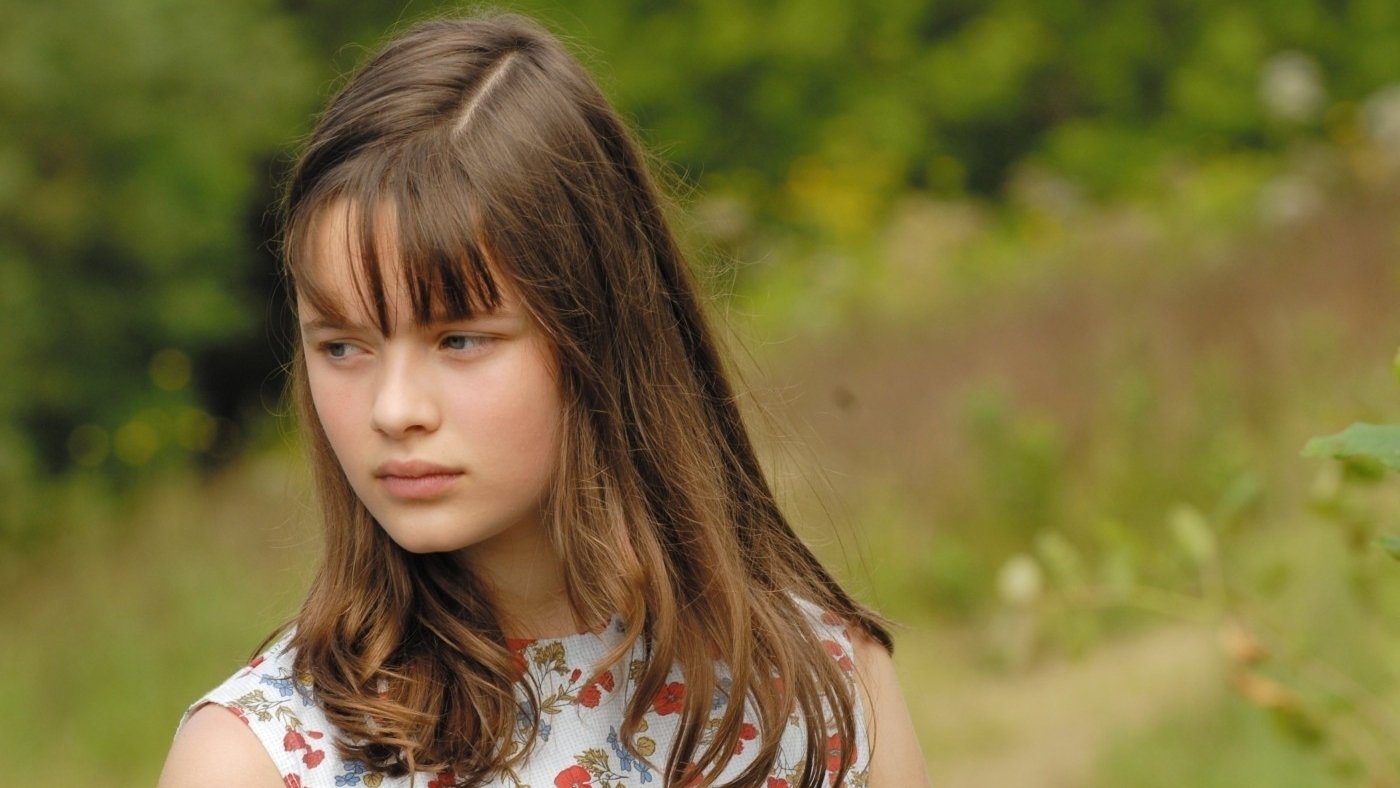



in the summer of 1966, in Beloeil, Québec, where a young girl named Élise is enjoying summer vacation. Summer 1966. It's time to enjoy the summer holiday, total freedom. Suddenly her mother leaves her family to pursue her journalism career in London. Her urge to leave is triggered when she coincidentally listens in on a conversation between her husband and his male lover. Her brother Coco seeks solace in the garage, building a super racing car. Her youngest brother Benoît throws himself into his own inner world. The father seems absolutely knocked out by the situation. Élise decides to take control of her family, in an eloquent attempt to save them. With the assistance of flourishing nature around her, she stands on the threshold of an incomparable summer.

Léa Pool
Director


Céline Bonnier
Simone Gauvin

Laurent Lucas
Father Gauvin
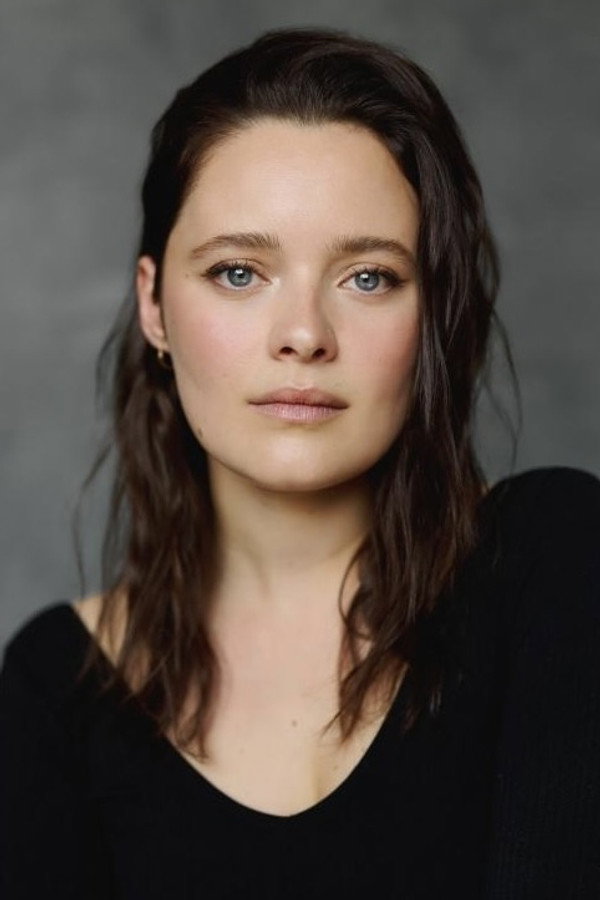
Marianne Fortier
Elise Gauvin
Élie Dupuis
Coco Gauvin

Aliocha Schneider
Jean

Maxime Allard
Golfing Partner

Maxime Desjardins-Tremblay
Tractor

Gabriel Arcand
Mr. Mouche
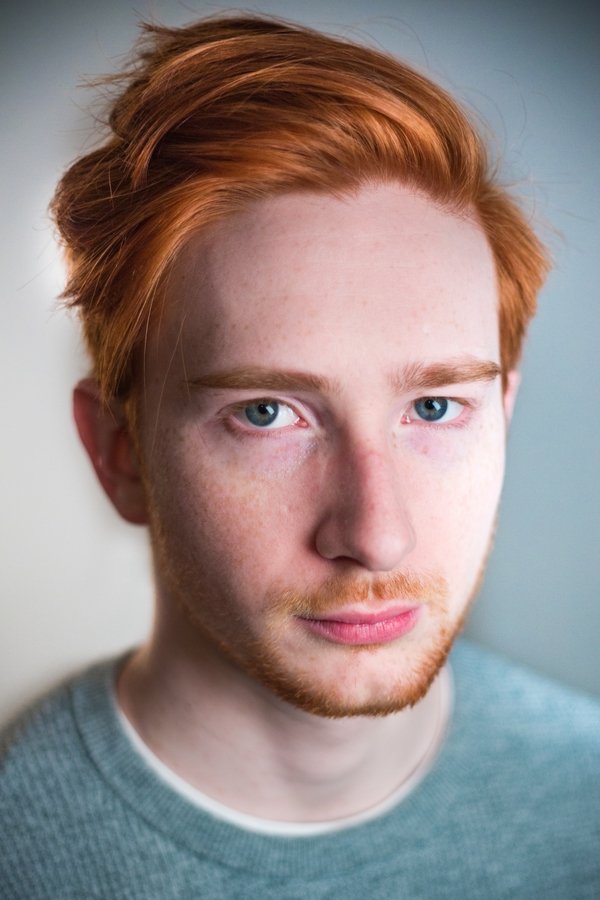
Julien Carpentier-Roberge
Bernard
Benjamin Chouinard
Roméo

Antoine Desrochers
Carl
A bumpy journey about revolution and family makes us feel fear, disgust, humor, and satisfaction.
Battles will come and go and queer people do die for their identity and fights for rights, but that doesn’t mean the gays don’t deserve their happy endings in stories.
Looking back at the representation of different cultures in the magical world of Harry Potter
For many people, Disney+’s debut show, The Mandalorian, was a breath of fresh air for the Star Wars universe. The Disney Gallery shows audiences how that show came to be.
There’s been a longstanding criticism of sci-fi films about its lack of Black characters. For the past few years, Anthony Mackie has been successfully representing Black masculinity in the otherwise homogenous genre and I am here for it.
A short hybrid film featuring everyone's favorite Disney characters.