






An Interview with Writer/Director/Producer Penelope Lawson
We chat with Penelope Lawson about her short film, The Dinner Party, her experience founding her own production company, and fun cinema.
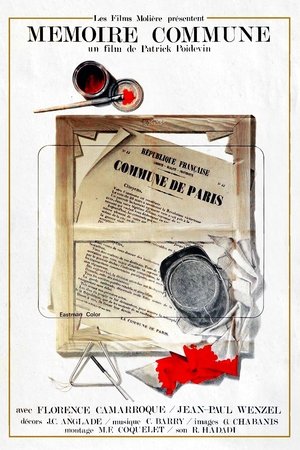


A character, directly addressing the viewer, attempts, through his or her knowledge, a historical reflection on the Paris Commune of 1871. A series of five tableaux retraces the major phases of the events. First comes the analysis of the Second Empire. Then comes the fall of the Empire and the proclamation of the Republic on September 4, 1870. Based on texts by Jules Vallès, several actors evoke the event in the contemporary setting of the large housing estates of Bobigny. The third part deals with the period October-March 1871, during which the people of Paris felt, little by little, betrayed by the government. Finally, March 18 is the revolutionary day. Inspired by Bertold Brecht's "Days of the Commune," actors perform the episode "Madame Cabet's Canon." The fifth part, entitled "Two or Three Things I Know About Her," directly evokes the work of the Commune, building and imagining a better world...
We chat with Penelope Lawson about her short film, The Dinner Party, her experience founding her own production company, and fun cinema.
A trio of girls form a band and enter a singing competition together after learning they work best as a team.
The Slumber Party Massacre wonderfully combines the suspense of its horror with its commentary on gender, creating a memorable slasher classic that began a horror trilogy entirely written and directed by women.
Every movement becomes a question of identity. To become who we are meant to be. In order to reach that we often have to shed who we once were, and that shedding can sometimes be so brutal it’s ungraceful.
Baggage’s experimental mixed formats visualized a woman’s brave inner journey of visiting the museum of her fragmented memories.