Why "The Watermelon Woman" is Just as Powerful 30 Years Later
This movie will always resonate with queer people, for as long as queer people exist.
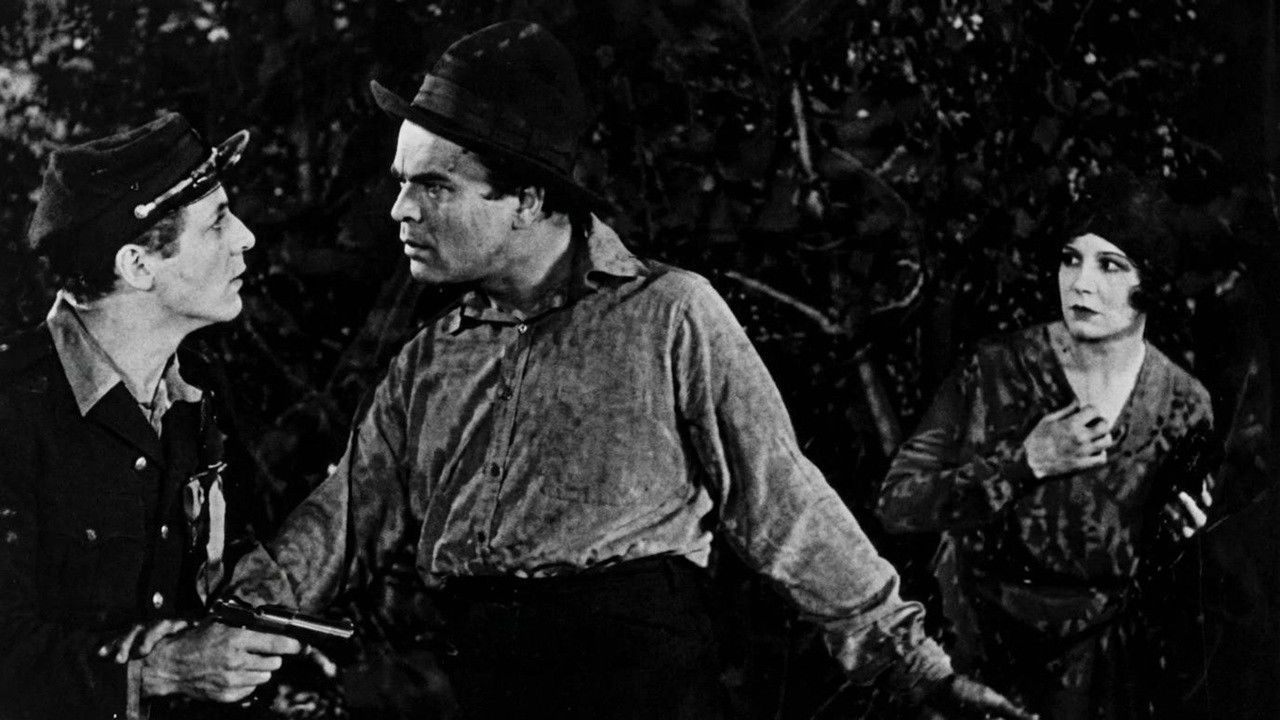



Antonio Camaradino, florist and street musician, befriends a man robbed of his overcoat and money in a disreputable bar. Tony recognizes the man as Jorny, mayor of Avalonia, a straitlaced town where Tony was once arrested for playing his hurdy-gurdy. After this meeting, Tony's travels take him again to Avalonia. Camped on the outskirts of town, he meets June Ramsey, a cousin of the mayor's wife, ejected from town by the mayor because his reelection campaign is jeopardized by her having been seen in a roadhouse. Under considerable pressure because he wishes to conceal his previous encounter with Tony from the opposition, Jorny returns Tony's favor by asking June's forgiveness and inviting her to return to Avalonia. June accepts his apologies; she then follows Tony, with whom she has fallen in love.
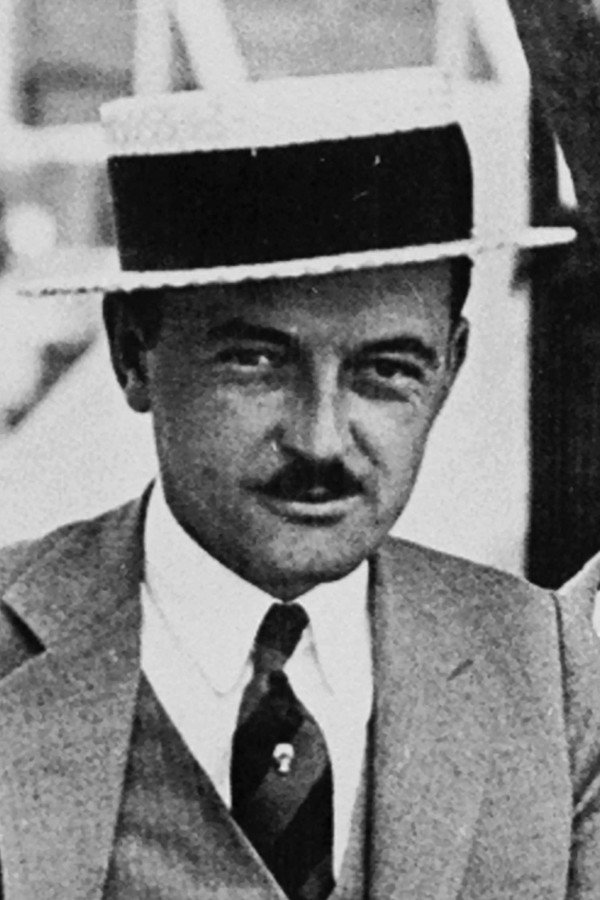
James Flood, Frank Reicher
Director


Leo Carrillo
Antonio Camaradino

Virginia Valli
June Ramsey

Gareth Hughes
Joe
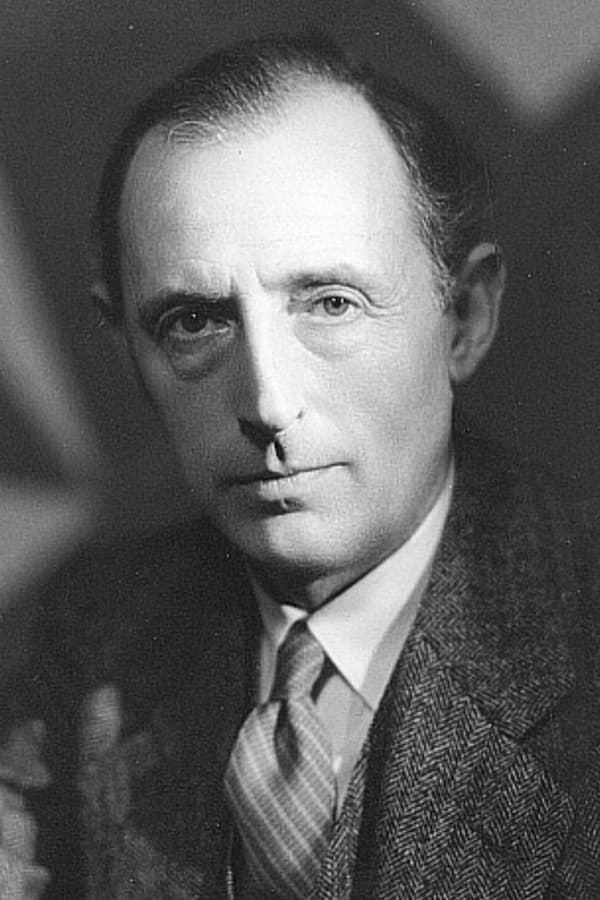
Frank Reicher
Milton Jorny

Eugenie Besserer
Mrs. Jorny
Franklin Lewis
Earl Jorny
Francis Ford
Bit Role (uncredited)

Lloyd Ingraham
Bit Role (uncredited)

Gus Leonard
Bit Role (uncredited)
Viola Louie
Bit Role (uncredited)
This movie will always resonate with queer people, for as long as queer people exist.
The sequel to the 2010 live-action movie focuses on sibling rivalry.
This coming-of-age movie based on the 1970 book by Judy Blume gives viewers a scope on female topics in the quest for a religious identity.
Praising Black representation and condemning the power structures that suppress it, a mother delivers an impassioned speech to her distant son.
Mala tripped over in a company Diwali party, which led to unexpected visits and realizations.
'Legally Blonde' remains a standard of feminist filmmaking over two decades after its release, although its poor treatment of racial and sexual minorities make it a product of its time.