



The precarious representations in One Battle After Another
A bumpy journey about revolution and family makes us feel fear, disgust, humor, and satisfaction.
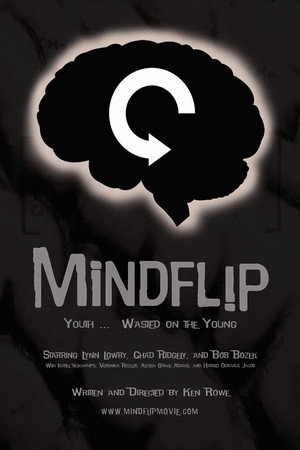


Marilyn Hardesty is an aging horror film actress, and heiress to her ancient husband's biotech fortune through a whirlwind courtship, marriage, and funeral. Terminally ill, she is determined to cheat death and rekindle her career by transferring her mind into the body of a younger woman. With Norman Baetz, her "personal assistant", she recruits Dr. Laurence Fine, a brilliant, twisted neurobiologist, to serve her obsession with immortality. With the promise of Reality TV stardom, they lure three young women to Marilyn's remote estate. Ulterior motives unfold. Early experiments prowl the estate. The young women reach a grim realization: escape is the only means of survival. Can they evade Dr. Fine's cut and paste cybernetics? Will Marilyn achieve eternal life or drown in the fountain of youth?
A bumpy journey about revolution and family makes us feel fear, disgust, humor, and satisfaction.
Monster's plot is built around Steve Harmon's false accessory to felony murder accusation, and the anxiety and desperation experienced by him during incarceration and the corresponding trial.
Ruben Östlund muses about his characters, “As soon as you get close to a person, you see them as just another human being”. It is widely recognized that aboard the luxury yacht in ‘Triangle of Sadness’, the different groups of people represent a small society as a commentary on classism and gender binaries.
Nightbooks, the newest entry in children's horror, honors classic horror films, focuses on themes of acceptance, and has awesome production design.
Billy Eichner provides a hearty dose of good old fashioned romance with a lot of laughs