






Magic in the 'Moon Knight'
It’s a cool looking Marvel character right off the page! He’s got these glowing eyes and he just kicks ass everywhere he goes, seemingly impervious to pain.
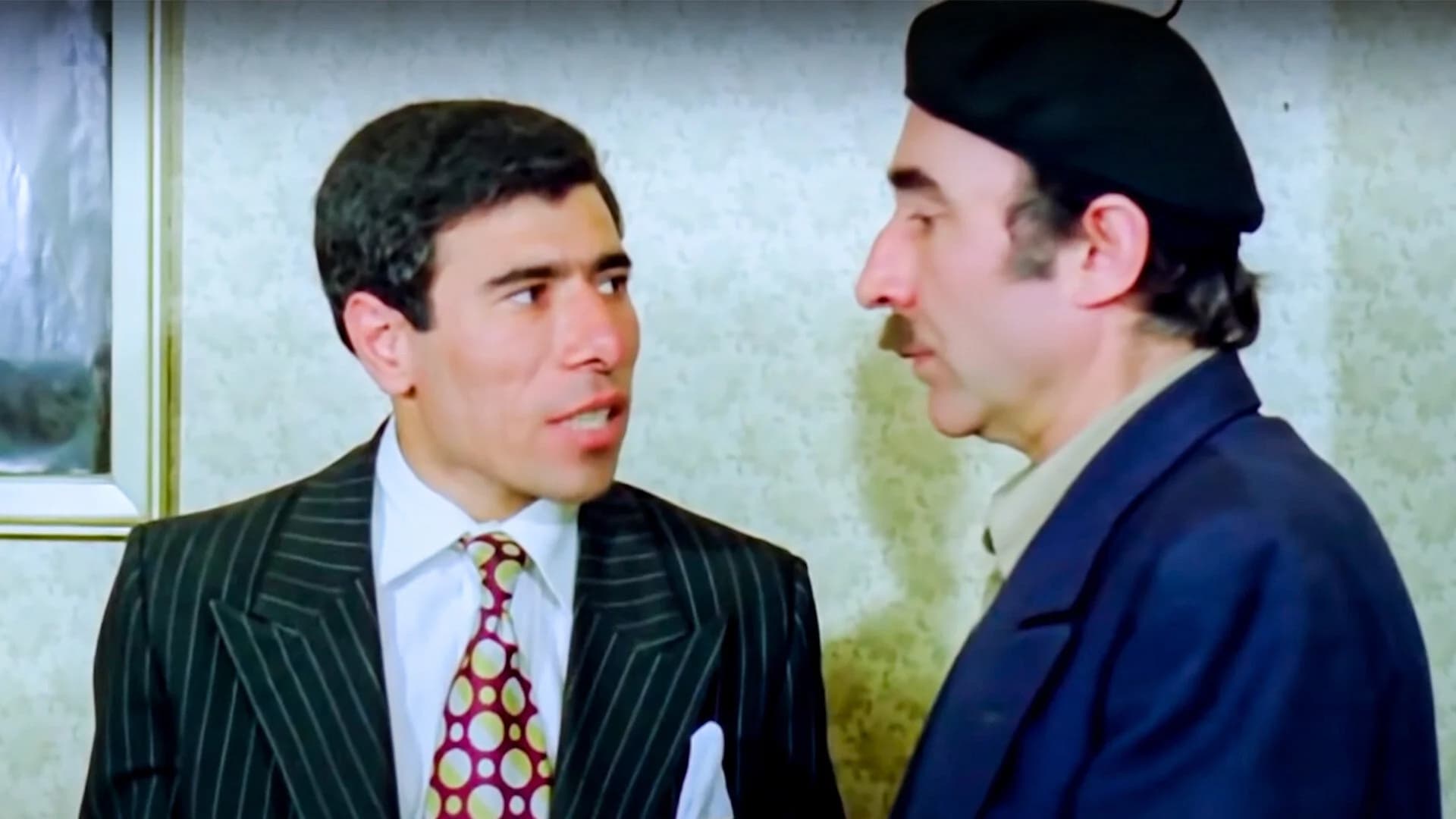



Ali, an honest and honorable man, moves to Istanbul when he is transferred there. He moves in with his sister Hacer and brother-in-law Yakup. Yakup's niece Ayşe also lives in the same house. From the day he starts his job as a civil servant, Ali reacts against the swindlers and bribe-takers around him. As a result, his boss and other civil servants become uncomfortable with the situation. When Yakup runs away with the money he collected to build a mosque, Ali and Ayşe are left alone. Not wanting to leave each other, the two get married. Ali is fired from his job for preventing the civil servants from taking bribes and goes to the village with Ayşe. Yakup, who has fled to Istanbul, calls Ali and Ayşe to join him at his insistence. Ali and his family, who go to Yakup's side out of desperation, will never be able to escape their troubles.
It’s a cool looking Marvel character right off the page! He’s got these glowing eyes and he just kicks ass everywhere he goes, seemingly impervious to pain.
This fantasy movie released on Disney+ has strong topics and themes related to magic.
A boy named Max experiences adventure within his own house while staying home alone.
So with the recent (rightful) public apologies to Britney from comedians and media for trashing her image in the 2000s, perhaps some people should also give Crossroads the fair chance it deserves. It won't be everyone's cup of tea, and that is fine. Personally, I will take my girl Britney and her movie, over the next testosterone "Dude Flick" any day.
Halle's belting, crystal clear notes, and warm tone infused something into this blockbuster that I thoroughly enjoy.
I suppose you could argue that the story wasn’t what Director James Cameron was aiming for, it was the visuals. The spectacle of it all was the point, and it certainly shows.